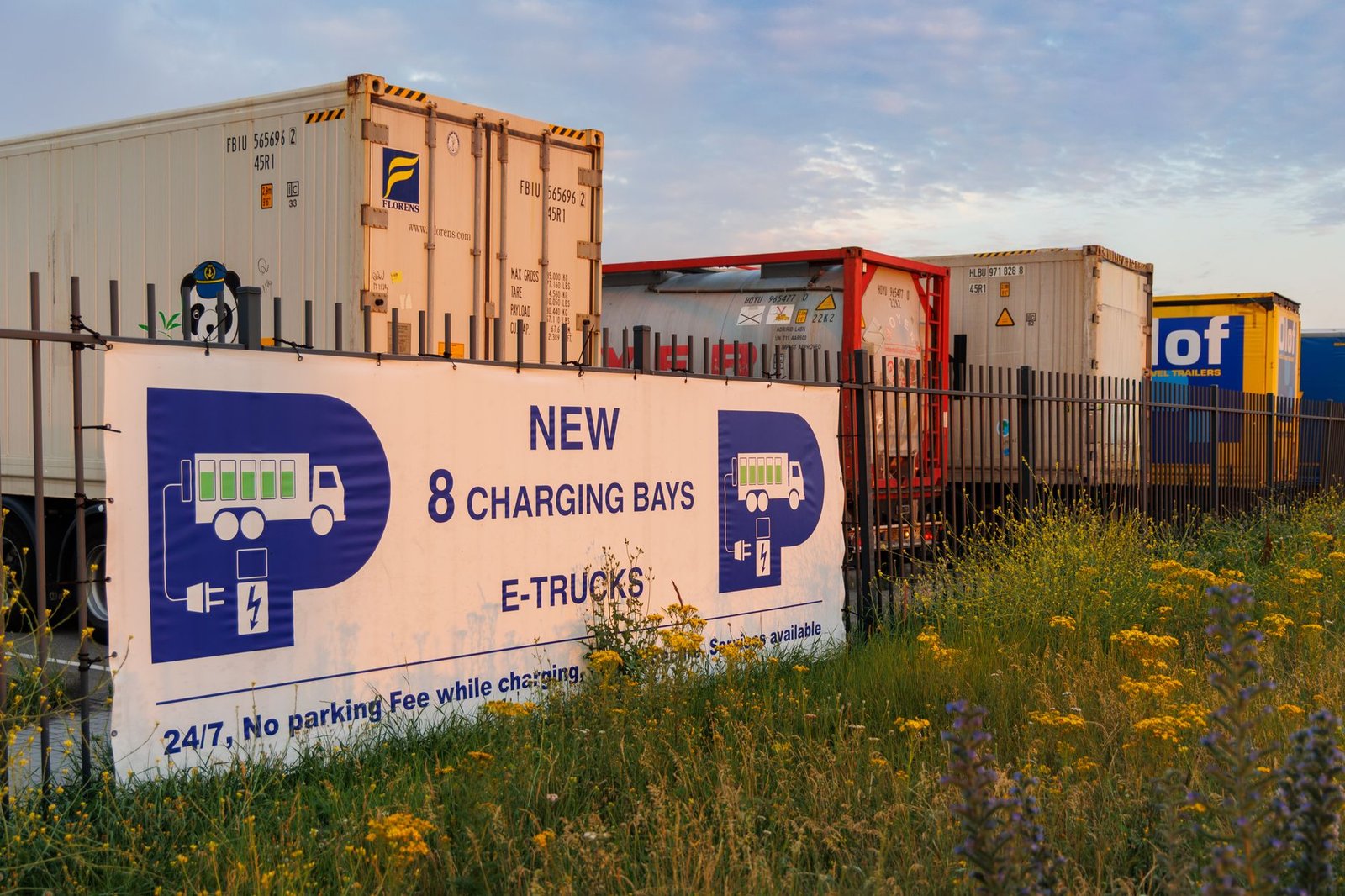
INDIANAPOLIS – The Federal Highway Administration, in collaboration with the Joint Office of Energy and Transportation, has finalized technical and grid interconnection standards for Megawatt Charging System (MCS) corridors along high-volume interstate freight freightways, providing the ultra-high-power charging infrastructure necessary to electrify long-haul heavy commercial trucking.
Statutory Framework and Regulatory Context
- Statutory Factor: Infrastructure Investment and Jobs Act (Public Law 117-58) National Electric Vehicle Infrastructure Formula Program.
- Statutory Factor: Federal Highway Administration 23 CFR Part 680 National Electric Vehicle Infrastructure Standards and Requirements.
- Statutory Factor: SAE International J3271 Megawatt Charging System (MCS) connector and communication protocols.
- Statutory Factor: State Public Utility Commission commercial fleet high-voltage demand charge rate designs.

Megawatt Charging System Architecture and Liquid-Cooled Cabling
Standard passenger electric vehicle fast chargers delivering 150 to 350 kilowatts are incapable of servicing long-haul Class 8 heavy-duty commercial tractor-trailers, which require battery capacities between 600 and 1,000 kilowatt-hours to maintain viable 400-mile operational ranges. To recharge a heavy semi-truck during a federally mandated 30-minute driver rest period requires continuous charging power between 1.2 and 3.75 megawatts.
The standardized SAE J3271 Megawatt Charging System operates at voltages up to 1,250 volts direct current and continuous currents up to 3,000 amperes. Delivering currents of this magnitude through flexible human-handled cables demands specialized liquid cooling architectures. Chilled deionized water or dielectric fluids circulate continuously through internal micro-channels within the copper conductors and connector pins, dissipating immense Joule resistive heat and keeping external cable surface temperatures below safe handling limits of 45 degrees Celsius.
Automated locking mechanisms and continuous optical temperature monitoring inside the connector head ensure that if localized terminal temperatures exceed safe thresholds by even two degrees, charging current is instantly modulated downward in sub-millisecond control steps to prevent thermal arcing.
Comparative Metrics and Fiscal Impact Analysis
The following quantitative dataset summarizes verified public records, capital expenditure benchmarks, and oversight agency audit dockets across regional jurisdictions:
| Interstate Freight Corridor | MCS Charging Hubs | Peak Station Capacity | Grid Interconnection Voltage | Federal Formula Grant |
|---|---|---|---|---|
| I-65 Midwest Freight Belt | 18 Heavy Plazas | 12 to 24 MW per Hub | 69kV / 138kV Transmission | $42.5 Million |
| I-10 Southern Logistics Trunk | 24 Freight Plazas | 16 to 32 MW per Hub | 138kV Dedicated Substation | $58.0 Million |
| I-80 Great Lakes Gateway | 15 Fleet Plazas | 10 to 20 MW per Hub | 69kV Subtransmission | $36.2 Million |
| I-95 Eastern Commercial Spine | 22 Heavy Hubs | 14 to 28 MW per Hub | 138kV Transmission Bus | $52.8 Million |

On-Site Medium-Voltage Substations and Battery Energy Buffers
Constructing heavy truck charging plazas with 10 to 20 Megawatt charging stalls creates unprecedented electrical demand spikes that exceed the capacity of local 12.47kV suburban distribution feeders. Installing a 25-megawatt charging plaza requires building dedicated medium-voltage or high-voltage substations tapping directly into 69kV or 138kV transmission lines.
To avoid triggering exorbitant utility peak demand charges and mitigate grid congestion, commercial charging hubs deploy co-located battery energy storage systems with capacities between 10 and 40 megawatt-hours. These on-site battery buffers charge slowly from the transmission grid during low-demand overnight hours or draw power from co-located multi-megawatt canopy solar arrays. When multiple Class 8 trucks plug in simultaneously during afternoon peak freight hours, the battery buffer discharges rapidly to supply megawatt peak bursts, buffering the external utility grid from sudden 20-megawatt step-load shocks.
Electric utilities have introduced specialized commercial fleet tariffs that replace volatile instantaneous non-coincident demand charges with predictable subscription-based volumetric capacity pricing, creating stable operating economics for commercial motor carriers.

Commercial Staging, Parking Regulations, and Driver Rest Synchronization
Federal Hours of Service (HOS) regulations enforced by the Federal Motor Carrier Safety Administration (FMCSA) mandate that commercial truck drivers take a 30-minute rest break after eight hours of driving. Megawatt charging corridors are intentionally designed to synchronize high-power charging with these mandatory rest windows, allowing drivers to recharge their commercial rigs while utilizing on-site rest plaza amenities, truck parking, and dining facilities.
State departments of transportation have integrated automated commercial truck parking management systems (TPMS) with megawatt charger reservation platforms. Commercial truck drivers and fleet logistics dispatchers can reserve dedicated charging stalls and secure overnight parking spaces hours in advance via standardized telematics applications, eliminating the dangerous practice of commercial trucks parking on interstate highway on-ramps due to overcrowded rest areas.
Independent freight corridor studies confirm that electrifying high-volume Class 8 trucking corridors will eliminate millions of tons of diesel particulate matter and nitrogen oxide emissions, delivering dramatic public health benefits to communities located along major freight highways.
Official Public Records and Statutory Citations
The documentary evidence and administrative filings referenced in this investigation are indexed under the following public record dockets:
- Federal Highway Administration, 23 CFR Part 680 (National Electric Vehicle Infrastructure Standards).
- SAE International, SAE J3271 Technical Standard, Megawatt Charging System (MCS) for Electric Vehicles.
- Federal Motor Carrier Safety Administration, 49 CFR Part 395 (Hours of Service of Drivers).
- Indiana Utility Regulatory Commission, Cause No. 45872 (Commercial Electric Fleet Tariff Approval).
Independent Oversight Outlook
The deployment of megawatt charging corridors represents the critical physical catalyst required to decarbonize American heavy freight logistics. As interstate megawatt plazas proliferate across major freight triangles through 2026 and 2027, long-haul commercial electric trucking will transition rapidly from experimental pilots to mainstream industrial adoption.
Spotted an error? Read our corrections policy and let us know.

Keep reading

NIST Finalizes 2026 Post-Quantum Cryptographic Standards for Interstate Energy and Financial Telemetry Networks
Pennsylvania Public Utility Commission Enacts 2026 Grid Reliability Mandates for High-Voltage Transmission
Advanced Air Mobility Regional Vertiport Megawatt Grid Interconnection Protocols Certified