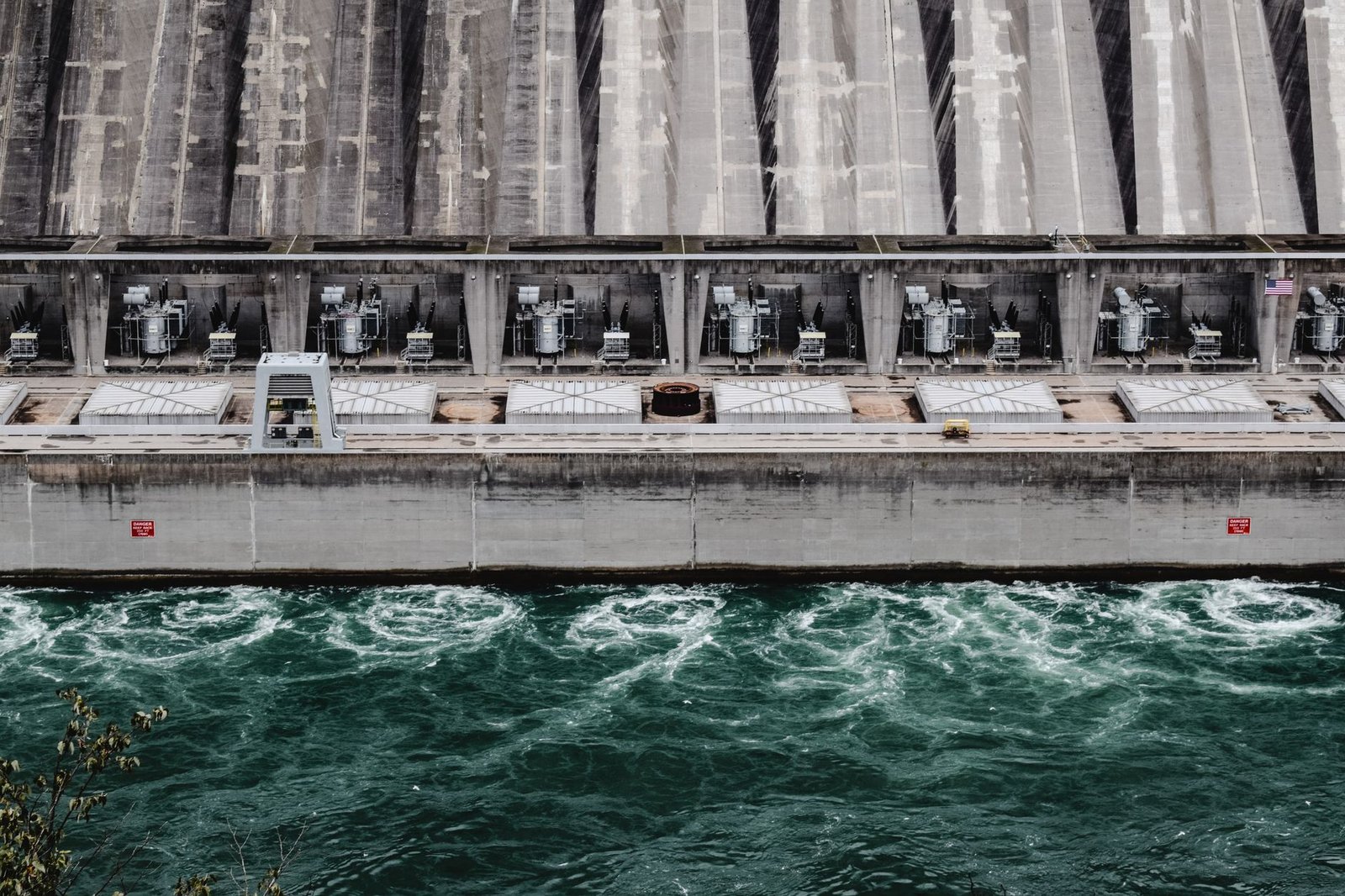
CHARLESTON – Energy development consortiums across the Appalachian Basin and Mountain West have commenced construction on multi-gigawatt closed-loop pumped storage hydropower reservoirs situated on reclaimed surface coal mines, utilizing decommissioned open-pit voids and existing high-voltage transmission interties to build massive multi-day gravity battery assets.
Statutory Framework and Regulatory Context
- Statutory Factor: Federal Power Act Part I licensing authorities under the Federal Energy Regulatory Commission.
- Statutory Factor: FERC Order 888 open access transmission interconnection tariff standards.
- Statutory Factor: Surface Mining Control and Reclamation Act (SMCRA) post-mining land use reauthorization guidelines.
- Statutory Factor: Clean Water Act Section 401 state water quality certification dockets.
Closed-Loop Hydraulic Topologies and Off-River Environmental Isolation
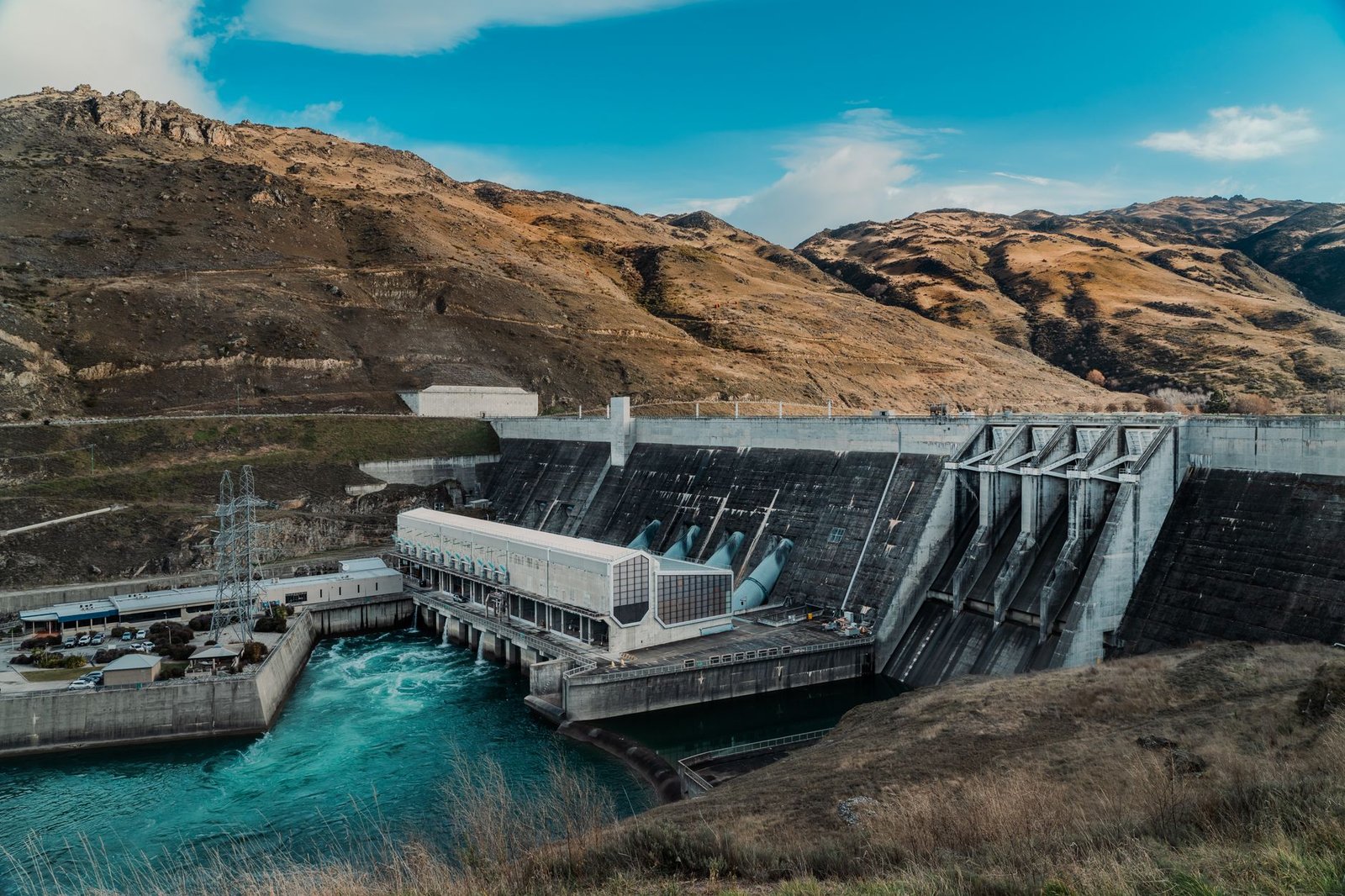
Unlike legacy pumped storage hydro projects developed during the mid-20th century that dammed natural river courses—flooding productive riparian valleys, disrupting fish migrations, and triggering contentious National Environmental Policy Act litigation—closed-loop systems operate entirely off-river. The upper and lower reservoirs are physically isolated from natural flowing waterways, utilizing an initial one-time charge of non-potable mine drainage water or industrial effluent that is recycled continuously between reservoirs for decades.
State mining engineers utilize deep geological benches and massive excavation voids left behind by historical surface mountaintop removal operations to construct the reservoirs. The interior basins are sealed with multi-layer high-density polyethylene geomembranes underlain by bentonite clay geotextile cushions and geonet leak-detection sensor grids, completely preventing acidic mineral drainage from leaching into regional groundwater tables.
Subterranean penstocks—consisting of high-strength steel-lined tunnels measuring 24 feet in diameter bored through solid sandstone formations—connect the upper and lower basins, dropping water through vertical head drops exceeding 1,400 feet to drive reversible Francis pump-turbines situated inside subterranean machine caverns.
Comparative Metrics and Fiscal Impact Analysis
The following quantitative dataset summarizes verified public records, capital expenditure benchmarks, and oversight agency audit dockets across regional jurisdictions:
| Pumped Storage Project | Rated Capacity / Storage | Hydraulic Head Height | Upper / Lower Reservoir | Interconnection Substation |
|---|---|---|---|---|
| Kanawha Coal Mountain Hydro | 1,200 MW / 12,000 MWh | 1,450 Feet Head | Dual Sealed Strip Pit Voids | 500kV Appalachian Power Tie |
| Wyoming Basin Gravity Battery | 1,600 MW / 16,000 MWh | 1,680 Feet Head | Engineered Surface Mine Reservoirs | PacifiCorp Jim Bridger Intertie |
| Allegheny Crest Energy Storage | 800 MW / 8,000 MWh | 1,220 Feet Head | Lined Coal Refuse Basin | FirstEnergy 345kV Switching Yard |
| Black Mesa Closed-Loop Hydro | 1,000 MW / 10,000 MWh | 1,550 Feet Head | Excavated Rock Quarries | Navajo Transmission Intertie |
Long-Duration Energy Storage Economics and Interconnection Cost Savings
While electrochemical battery energy storage systems excel at short-duration frequency regulation and four-hour peak shifting, they become prohibitively expensive when tasked with providing 10 to 24 hours of continuous multi-day energy storage during prolonged winter cold snaps or multi-day wind lulls. Closed-loop pumped storage hydro provides levelized costs of storage (LCOS) under $0.06 per kilowatt-hour over asset lifetimes exceeding 80 years.
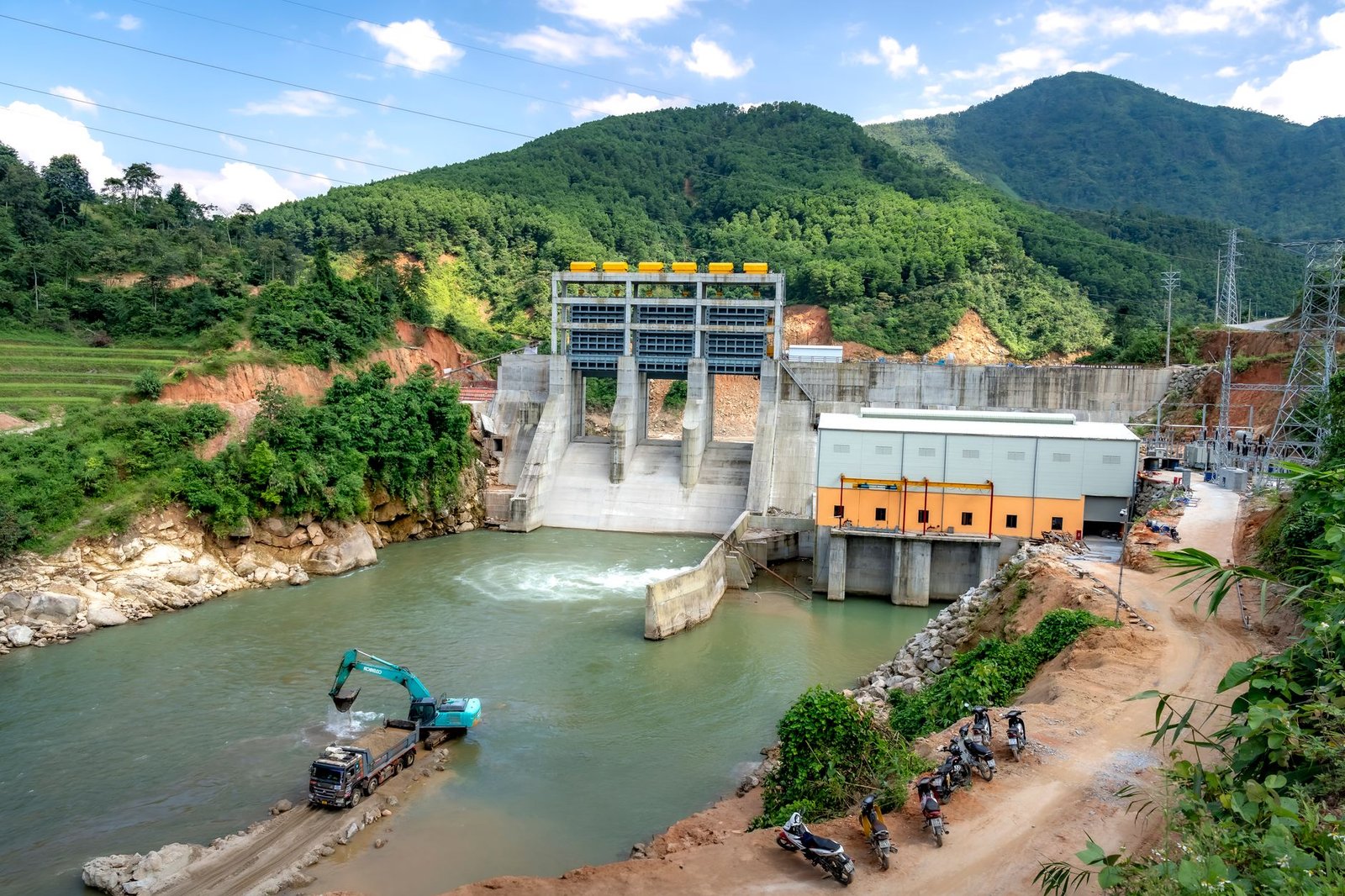
A profound economic advantage of siting pumped storage projects on decommissioned coal mine sites is direct proximity to legacy high-voltage electrical infrastructure. When giant coal-fired generating stations retired over the past decade, they left behind massive 345kV and 500kV transmission switchyards with existing right-of-way capacity that can be repurposed without spending hundreds of millions of dollars building new interstate transmission corridors.
Regional wholesale market operators, including PJM and MISO, have finalized specialized market rules recognizing the 10-hour continuous discharge capabilities of pumped storage, enabling facilities to bid into long-duration clean capacity auctions and provide black-start grid restoration services.
Economic Revitalization of Former Coal Communities and Labor Transitions
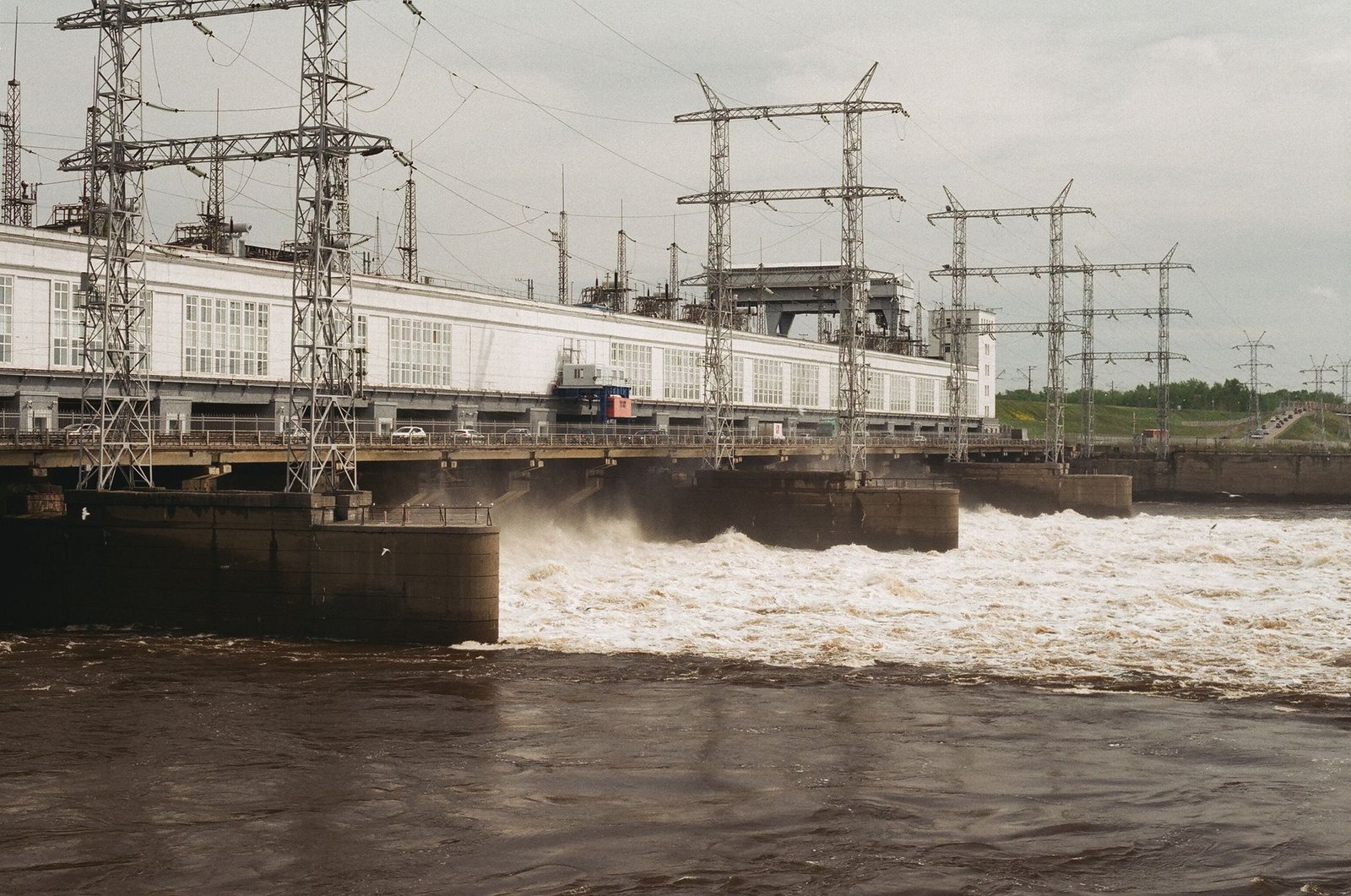
The construction of massive pumped storage projects delivers profound economic revitalization to coalfield communities that suffered severe employment losses from mine closures. Constructing subterranean machine halls, lining reservoirs, and boring miles of deep penstock tunnels requires specialized heavy civil engineering labor, earthmoving equipment operators, and subterranean tunneling miners—skills directly possessed by the regional coalfield workforce.
Project developers have entered into legally binding Community Benefit Agreements (CBAs) and Project Labor Agreements (PLAs) with local building and construction trades councils, guaranteeing prevailing wage standards and funding specialized apprenticeship programs for displaced coal miners.
County tax assessors report that once operational, these billion-dollar energy storage facilities generate tens of millions of dollars in annual municipal ad valorem property tax revenues, providing stable long-term funding for rural public school districts, county hospitals, and municipal emergency response departments.
Official Public Records and Statutory Citations
The documentary evidence and administrative filings referenced in this investigation are indexed under the following public record dockets:
- Federal Energy Regulatory Commission, 18 CFR Part 4 (Licenses, Permits, and Determination of Project Costs).
- United States Code, Title 16, Section 823h (Expedited Licensing Process for Closed-Loop Pumped Storage Projects).
- Surface Mining Control and Reclamation Act of 1977, 30 U.S.C. 1201 et seq.
- West Virginia Public Service Commission, Case No. 24-0412-E-CN (Closed-Loop Hydro Certificate Application).
Independent Oversight Outlook
Closed-loop pumped storage hydro development on legacy coal lands represents the ultimate convergence of industrial reclamation and clean energy infrastructure. As long-duration storage mandates expand across regional utility resource plans through 2027, these gravity battery reservoirs will permanently anchor the stability of the North American electric grid.
Spotted an error? Read our corrections policy and let us know.
Keep reading

NIST Finalizes 2026 Post-Quantum Cryptographic Standards for Interstate Energy and Financial Telemetry Networks
Pennsylvania Public Utility Commission Enacts 2026 Grid Reliability Mandates for High-Voltage Transmission

Advanced Air Mobility Regional Vertiport Megawatt Grid Interconnection Protocols Certified