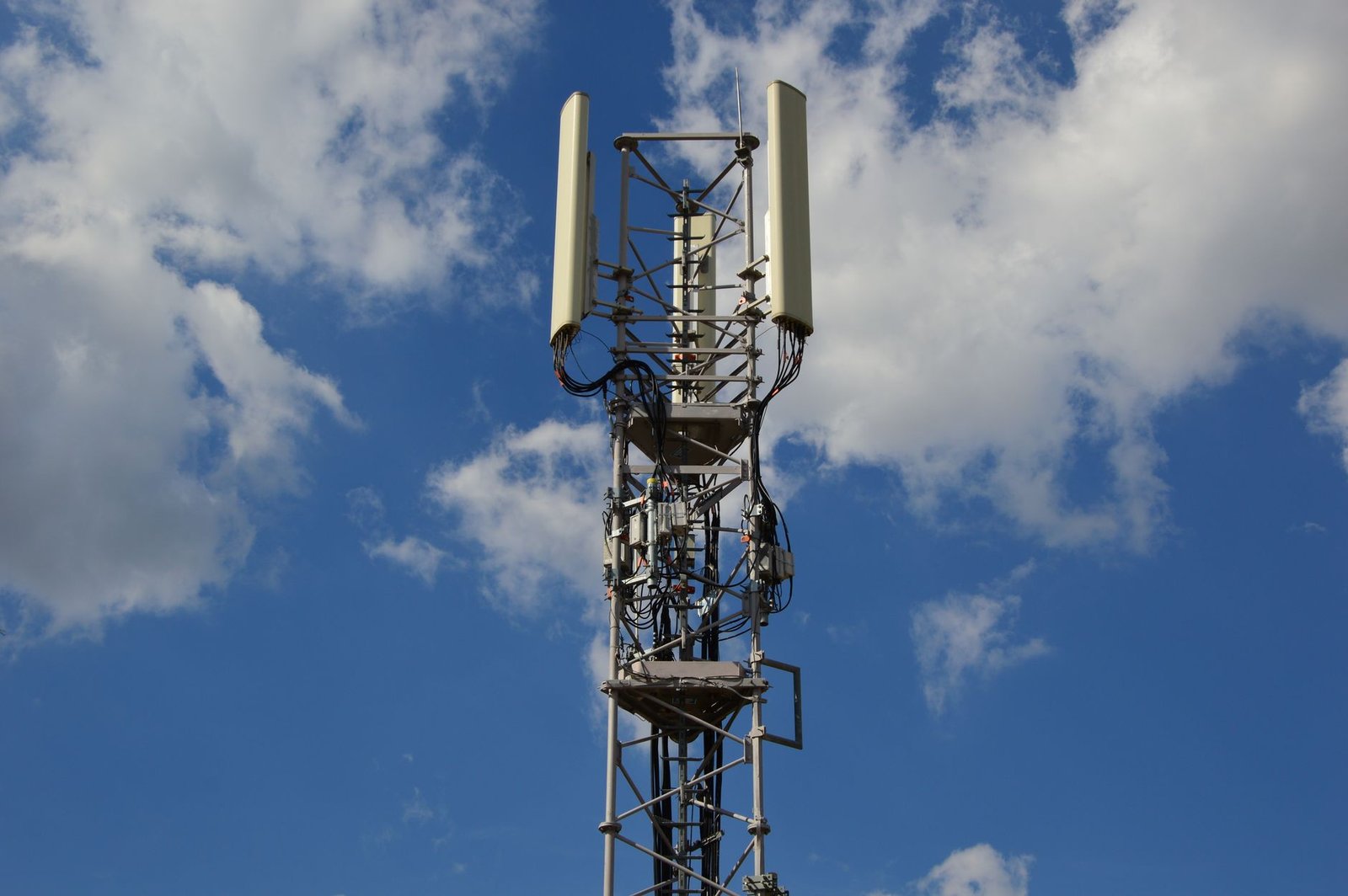
AUSTIN – State transportation departments and telecommunication infrastructure authorities have launched extensive field deployments of multi-vendor Open Radio Access Network (Open RAN) architectures along key interstate freight corridors, dismantling proprietary hardware monopolies and establishing open interoperability standards for next-generation rural cellular coverage.
Statutory Framework and Regulatory Context
- Statutory Factor: National Telecommunications and Information Administration (NTIA) Public Wireless Supply Chain Innovation Fund grant criteria.
- Statutory Factor: Federal Communications Commission (FCC) O-RAN interoperability and open interface security standards.
- Statutory Factor: Rural Digital Opportunity Fund (RDOF) broadband build-out performance benchmarks.
- Statutory Factor: State Department of Transportation broadband utility accommodation policies within highway rights-of-way.
Disaggregated Hardware Architecture and Near-Real-Time RAN Intelligent Controllers
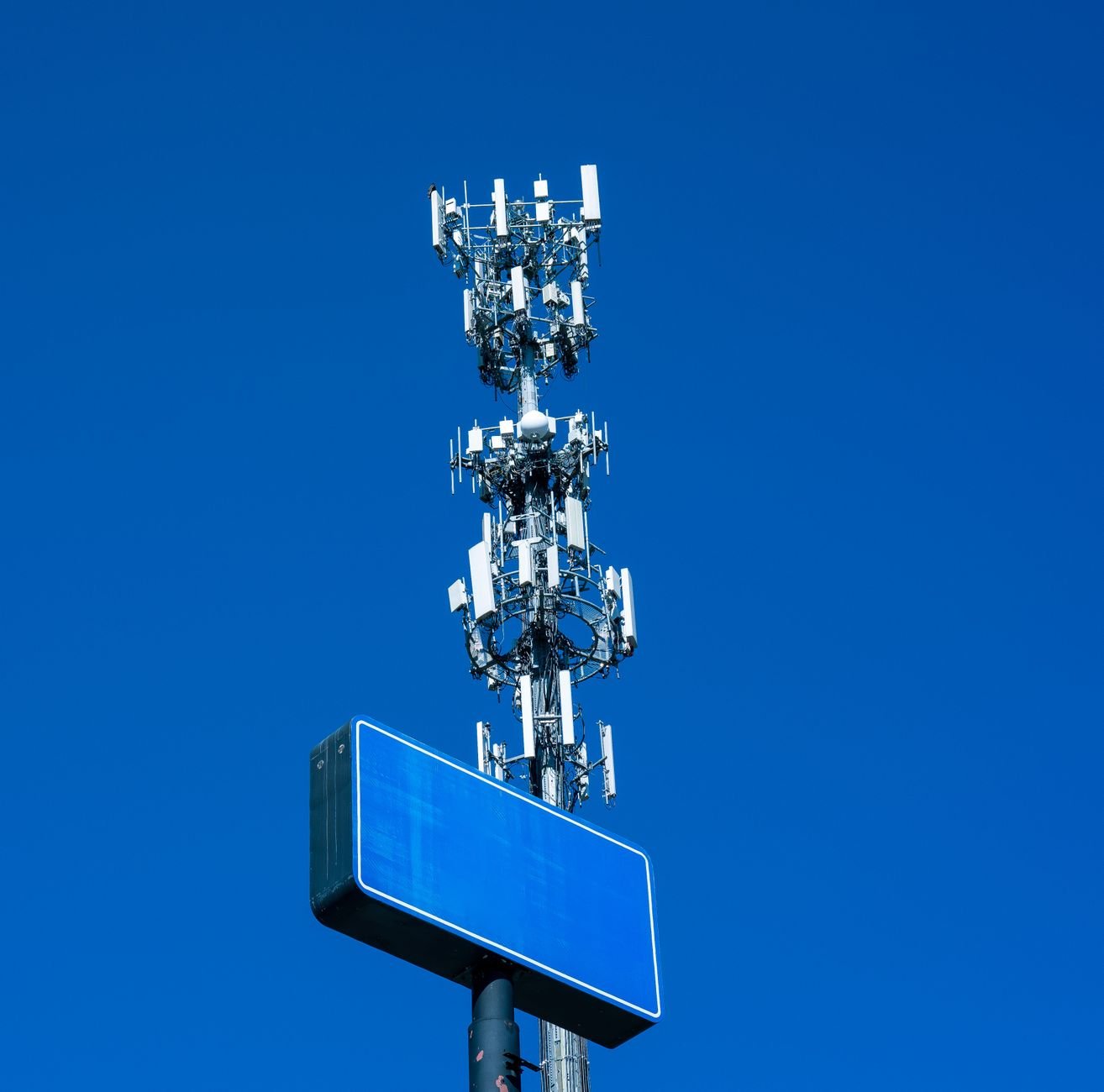
Historically, rural cellular coverage relied on monolithic base stations supplied by single proprietary telecommunications vendors, binding operators to single-source silicon, proprietary firmware, and closed maintenance ecosystems. The Open RAN architecture separates the radio frequency front-end (Radio Unit, RU) from the baseband processing software, which is disaggregated into Distributed Units (DU) and Centralized Units (CU) hosted on commercial off-the-shelf (COTS) x86 or ARM cloud servers.
Central to this transition is the deployment of Near-Real-Time RAN Intelligent Controllers (Near-RT RIC). Operating with control loops between 10 milliseconds and one second, RIC platforms run specialized software microservices (xApps) that dynamically allocate radio spectrum, balance multi-carrier load profiles, and autonomously optimize beamforming patterns based on real-time commercial vehicle traffic telemetry along interstate highways.
Comparative Metrics and Fiscal Impact Analysis
The following quantitative dataset summarizes verified public records, capital expenditure benchmarks, and oversight agency audit dockets across regional jurisdictions:
| Interstate Corridor | Open RAN Nodes | Lead System Integrator | Fiber Backhaul Capacity | Deployment Phase |
|---|---|---|---|---|
| I-10 Texas Freight Loop | 142 Macro Sites | Maverick Open Networks | 100 Gbps Dark Fiber | Full Commercial Operation |
| I-80 Wyoming Basin | 98 Monopole Nodes | Prairie Interop Telecom | 40 Gbps Leased DWDM | Hardware Integration Phase |
| I-35 Heartland Transit | 186 Micro Nodes | Heartland RAN Consortium | 100 Gbps Co-Op Fiber | Final Acceptance Testing |
| I-90 Northern Plains | 74 Multi-Tenant Masts | Dakota Spectrum Group | 10 Gbps Hybrid Microwave | Phase 1 Tower Erection |
Supply Chain Security and Zero-Trust Edge Verification Standards
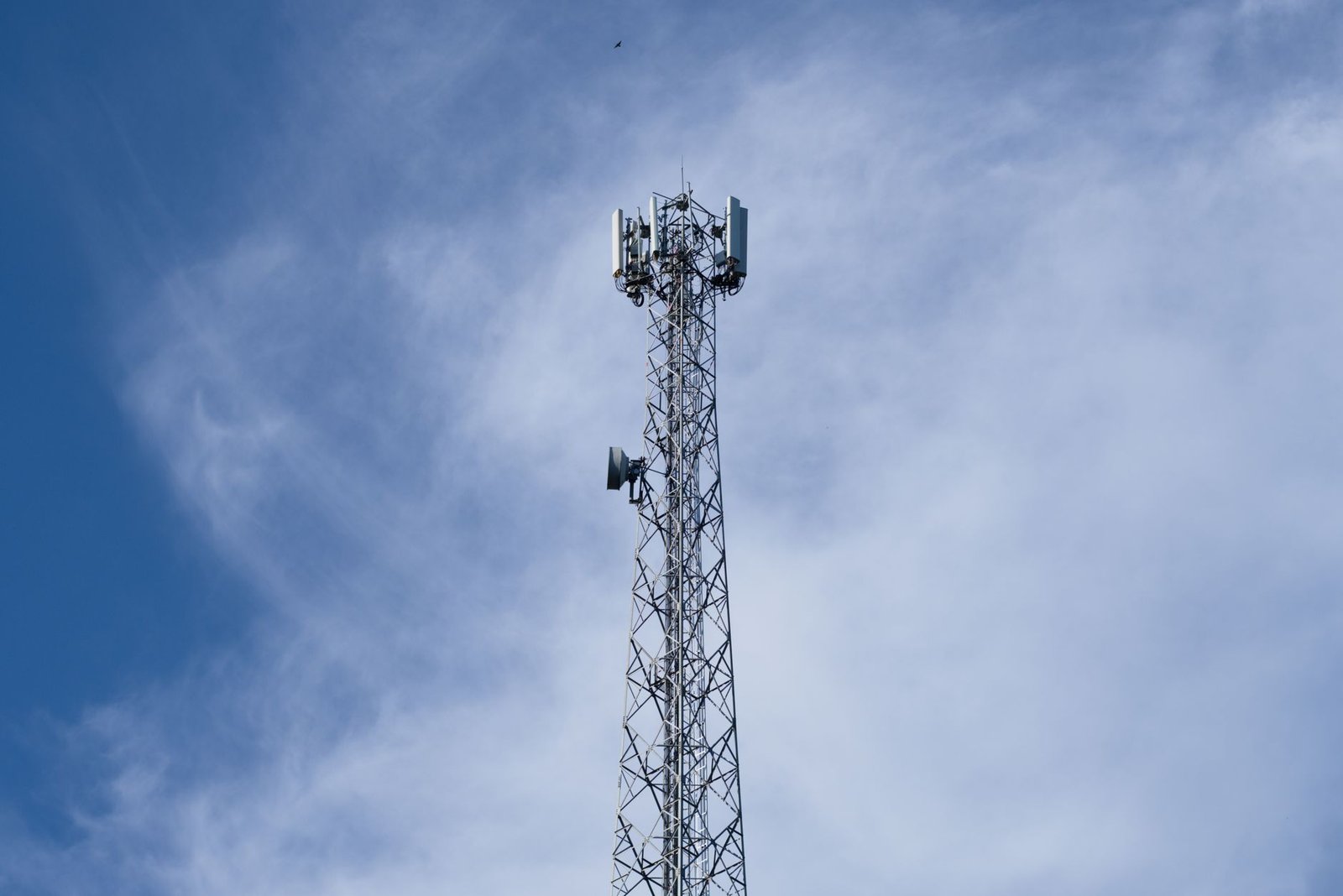
Federal security directives issued by CISA and the FCC mandate rigorous hardware root-of-trust authentication for all disaggregated radio nodes deployed within public utility and transportation easements. Because Open RAN standardizes interfaces like the O-RAN 7-2x split, communications between disparate third-party modules must be encrypted via mutual Transport Layer Security (mTLS) with cryptographic identity certificates managed through automated key management infrastructures.
Field audits conducted across pilot deployments confirm that open software stacks enable transparent vulnerability auditing, mitigating fears of undisclosed firmware backdoors. Continuous software attestation protocols inspect Linux container runtimes at edge compute enclosures, instantly isolating any radio node whose cryptographic image deviates from baseline checksums registered with national telecommunications databases.
Intergovernmental Right-of-Way Permitting and Municipal Utility Coordination
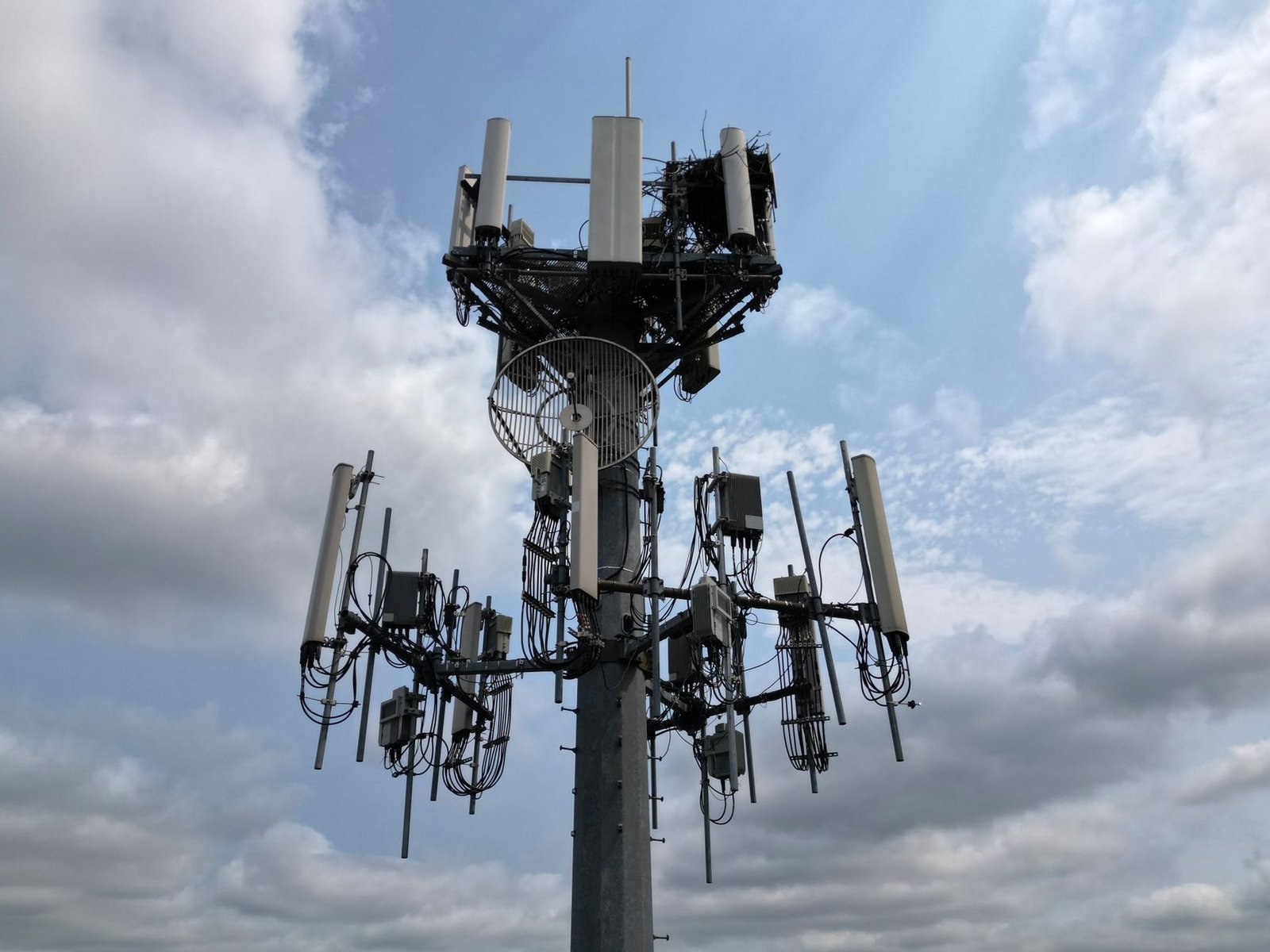
Deploying Open RAN edge nodes every 4 to 8 miles along rural interstates requires coordination with state transportation authorities, rural electric cooperatives, and tribal historic preservation offices. Highway departments have instituted ‘Dig Once’ conduit accommodation mandates, requiring telecommunications providers to lay continuous multi-duct micro-conduit networks during interstate resurfacing and bridge replacement projects.
Rural electric cooperatives have emerged as critical infrastructure partners, providing pole attachment rights on distribution feeders and supplying resilient backup battery storage systems. These decentralized mini-datacenters at tower bases guarantee at least 72 hours of uninterrupted autonomous operation during severe winter storms and severe convective severe weather events that frequently sever long-distance transmission lines.
Official Public Records and Statutory Citations
The documentary evidence and administrative filings referenced in this investigation are indexed under the following public record dockets:
- Federal Communications Commission, Docket No. 21-63, Notice of Inquiry on Open Radio Access Networks.
- National Telecommunications and Information Administration, Public Law 116-283, Division A, Title XCII (Telecommunications Act Standards).
- United States Department of Transportation, 23 CFR Part 645 (Utilities Accommodation Policies).
- CISA and NSA Joint Technical Guidance, Open RAN Security Analysis and Zero Trust Architecture Implementation (2024-2026 Edition).
Independent Oversight Outlook
The transition toward open radio interfaces marks a structural paradigm shift in American telecommunications infrastructure. By lowering barrier-to-entry costs for regional operators and eliminating proprietary hardware lock-in, Open RAN deployments are bridging the rural digital divide while creating resilient communication corridors for autonomous freight transport and emergency public safety dispatch.
Spotted an error? Read our corrections policy and let us know.

Keep reading
NIST Finalizes 2026 Post-Quantum Cryptographic Standards for Interstate Energy and Financial Telemetry Networks

Pennsylvania Public Utility Commission Enacts 2026 Grid Reliability Mandates for High-Voltage Transmission

Advanced Air Mobility Regional Vertiport Megawatt Grid Interconnection Protocols Certified