CHARLESTON – Legal aid foundations, community land trusts, and historic preservation alliances across the Lowcountry Sea Islands of South Carolina and Georgia have scaled pro-bono title-clearing and family land-trust initiatives, resolving complex fractional ‘heirs’ property’ disputes to prevent the involuntary displacement of historic Gullah Geechee coastal communities.
Statutory Framework and Regulatory Context
- Statutory Factor: Gullah/Geechee Cultural Heritage Corridor Act (Public Law 109-338, Title V).
- Statutory Factor: Uniform Partition of Heirs Property Act (UPHPA) statutory protections.
- Statutory Factor: State Coastal Zone Management special cultural resource protection ordinances.
- Statutory Factor: Historic preservation conservation easement tax credits under Internal Revenue Code Section 170(h).
The Historic Origins of Heirs’ Property and Fractional Ownership Vulnerability
Following the Civil War, formerly enslaved Africans on the Sea Islands of South Carolina, Georgia, North Carolina, and Florida acquired ancestral farmland and marsh frontages through Union General William Tecumseh Sherman’s Special Field Order No. 15 and post-emancipation cash purchases. Because historical discrimination and poverty excluded African Americans from equitable access to white legal systems, land was passed down through generations without formal probated wills—a legal condition known in property jurisprudence as ‘heirs’ property.’
Under tenancy-in-common property law, every descendant inherits an undivided fractional interest in the entire parcel, regardless of whether they live on the land or reside thousands of miles away. Over five or six generations, a single 20-acre island parcel can have over 100 living co-heirs, each holding a fractional legal claim.
This fractional status created catastrophic legal vulnerability: outside predatory real estate developers systematically sought out distant, estranged heirs, purchasing their tiny fractional shares for nominal cash payments. The developer then filed a court-ordered ‘partition sale’ lawsuit, forcing the entire ancestral property onto the county courthouse steps at a public cash auction that displaced the resident family members who lived on the land.
Comparative Metrics and Fiscal Impact Analysis
The following quantitative dataset summarizes verified public records, capital expenditure benchmarks, and oversight agency audit dockets across regional jurisdictions:
| Sea Island Heritage Basin | Heirs’ Property Tracts Cleared | Community Land Trust Acreage | Partition Sale Protection Method | Gullah Heritage Designation |
|---|---|---|---|---|
| St. Helena Island Cultural Zone | 145 Family Titles Cleared | 1,850 Acres Enrolled | Mandatory Right of First Refusal | National Landmark Protected |
| Sapelo Island Historic Settlement | 68 Saltwater Tracts Resolved | 920 Acres Preserved | Uniform Partition Open Court | Hog Hammock Historic District |
| Hilton Head Native Gullah Enclaves | 82 Island Parcels Shielded | 640 Acres Trust Bound | Family Limited Partnership | Preservation Overlay Zone |
| Waccamaw Neck Heritage Corridor | 95 Riverine Tracts Cleared | 1,150 Acres Protected | Land Trust Conservation Easement | Cultural Preservation Order |
The Uniform Partition of Heirs Property Act and Family Land Trust Formations
Legal aid foundations and community coalitions have fought back by passing the Uniform Partition of Heirs Property Act (UPHPA) across Southeastern state legislatures. Under the UPHPA, predatory developers can no longer force immediate fire-sale public auctions: the court must first determine fair market value through independent certified appraisal, grant resident family co-tenants a statutory right of first refusal to buy out the outside developer’s fractional share at market value, and order physical partition-in-kind (subdividing the land) whenever equitable.
Concurrently, legal clinics assist families in consolidating fractional ownership into formal legal entities—such as Family Limited Liability Companies (LLCs) or perpetual Community Land Trusts. By transferring the deed into a family entity governed by binding operating agreements, individual family members can sell their economic shares only to fellow family members, permanently neutralizing outside partition lawsuits.
Pro-bono title attorneys conduct extensive archival genealogical research, interviewing village elders and reviewing century-old baptismal records to establish complete, undisputed chains of legal title in county probate courts.
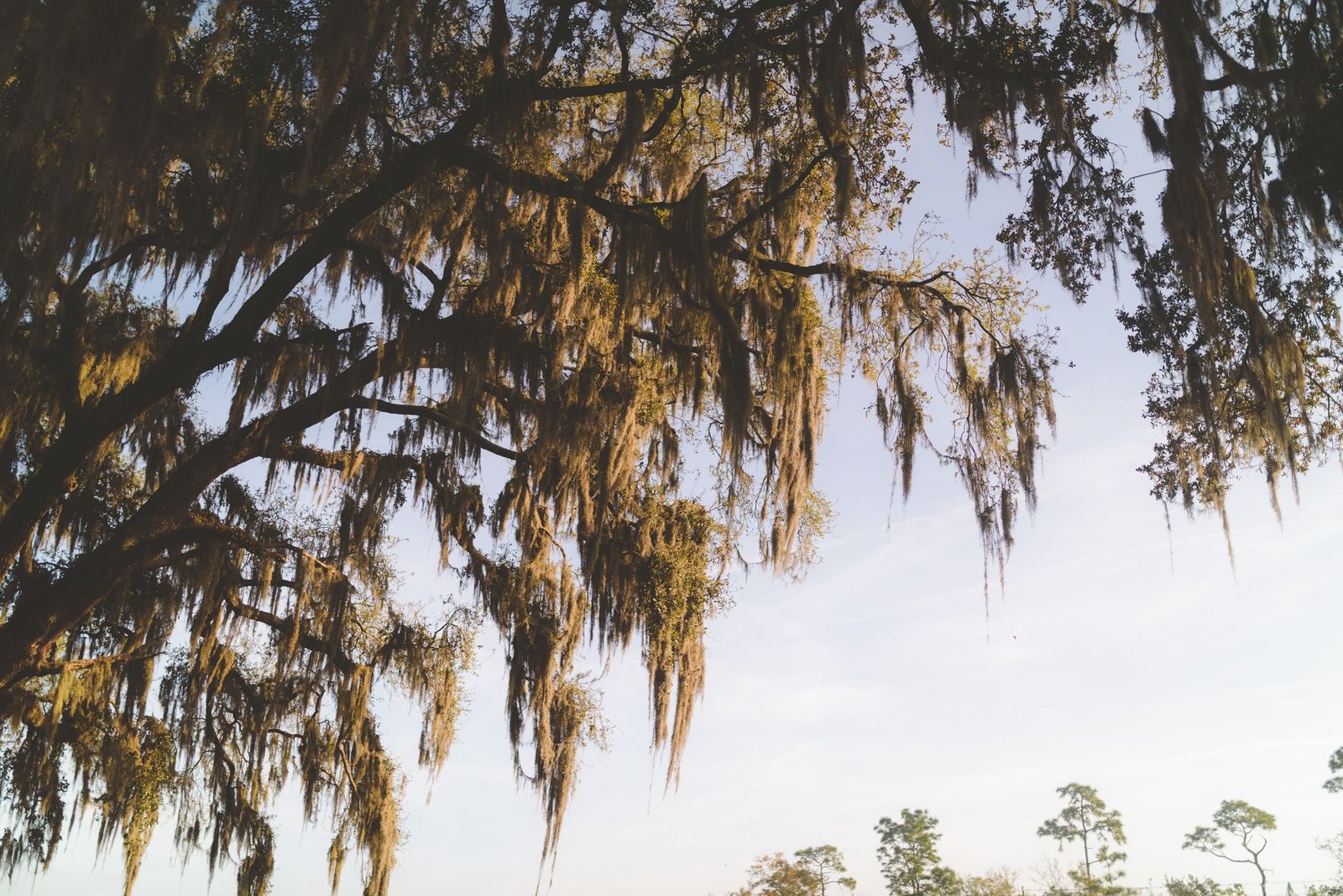
Cultural Preservation of Gullah Language, Craft, and Working Waterfronts
Securing land tenure is the indispensable prerequisite for preserving the distinct language, culinary traditions, sweetgrass basket weaving, and traditional maritime subsistence culture of the Gullah Geechee people—direct descendants of Central and West Africans who preserved deep linguistic and cultural ties to Africa due to the geographic isolation of the Sea Islands.
County zoning boards have enacted specialized Cultural Preservation Overlay Districts, such as St. Helena Island’s landmark ordinance prohibiting luxury golf courses, gated resort subdivisions, and mega-marinas within historic Gullah rural settlements. Land trusts partner with agricultural conservation programs, helping native landowners establish commercial sweetgrass cultivation marshes, heirloom Carolina Gold rice plots, and artisanal oyster harvesting cooperatives.
Cultural anthropologists and civil rights leaders emphasize that defending Gullah Geechee land ownership is not merely a legal victory over predatory real estate speculation; it is an act of historical justice that preserves one of America’s most unique and resilient African-American cultural communities.
Official Public Records and Statutory Citations
The documentary evidence and administrative filings referenced in this investigation are indexed under the following public record dockets:
- Gullah/Geechee Cultural Heritage Corridor Act, Public Law 109-338, Title V (16 U.S.C. 461 note).
- Uniform Law Commission, Uniform Partition of Heirs Property Act (UPHPA, Enacted in SC, GA, NC, FL).
- Beaufort County Code of Ordinances, Chapter 106, Article IV (Cultural Protection Overlay District).
- United States Department of Agriculture, Heirs’ Property Relending Program Guidelines (7 CFR Part 769).
Independent Oversight Outlook
The systemic resolution of heirs’ property titles and the establishment of community land trusts represent a historic shield protecting Gullah Geechee culture. Through continued pro-bono legal advocacy and cultural conservation across 2026 and 2027, Lowcountry Sea Island communities will retain their ancestral lands and vibrant traditions for generations to come.
Spotted an error? Read our corrections policy and let us know.
Keep reading
High-Country Ranching Line Camps and Notched Log Cabins Restored Across Intermountain Grazing Allotments
Historic Dimensional Limestone Quarries and Stonecutter Sheds Reclaimed Under Industrial Geo-Heritage Programs

Historic Appalachian Mountain Ballad Collections and Bluegrass Acetate Discs Preserved Under National Audio Heritage Standards