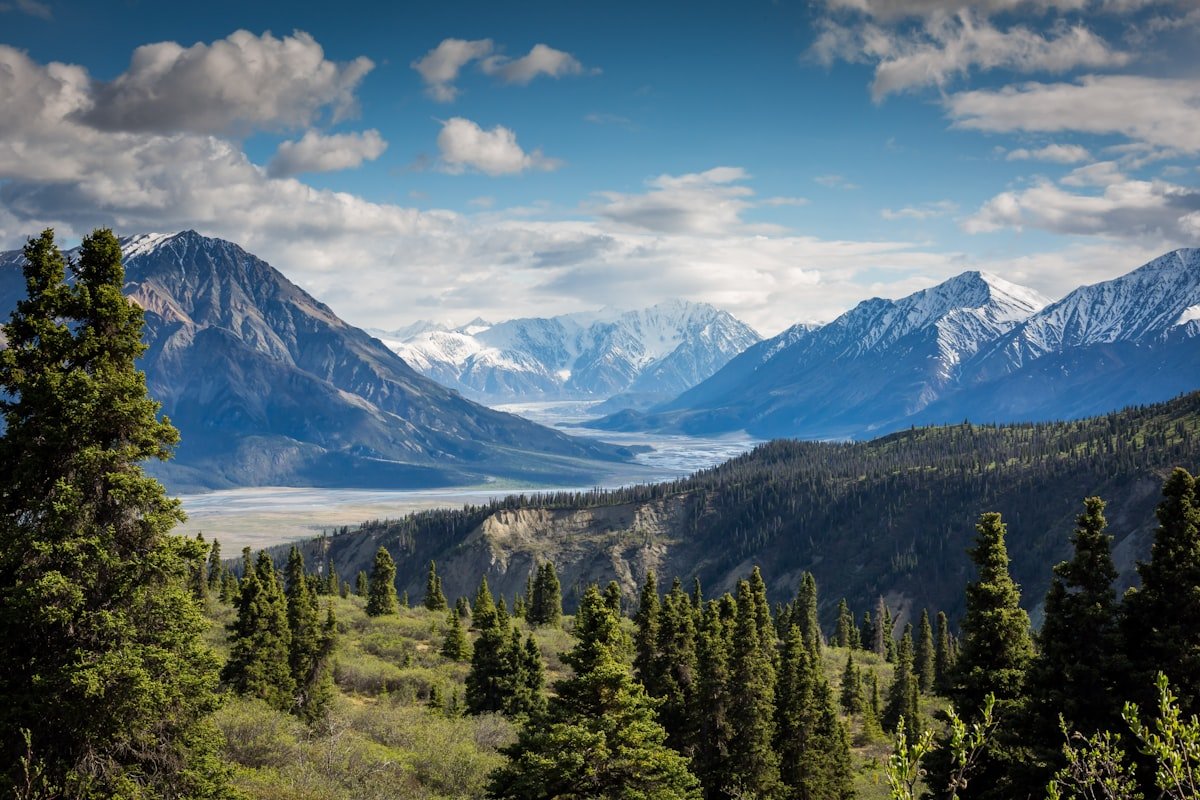
East Tennessee occupies the spiritual and cultural heart of the Southern Appalachian Mountains, bounded by the ancient forested ridges of the Great Smoky Mountains and the meandering mountain tributaries of the Tennessee River. From the birth of modern country music at the legendary 1927 Bristol Sessions to the master lutherie, weaving, and blacksmithing traditions preserved across mountain coves, Tennessee’s Appalachian culture is a vibrant, living testament to human resilience, Scotch-Irish folklore, and ecological harmony. Guided by the Tennessee Arts Commission, the Appalachian Regional Commission (ARC), and dedicated community land trusts, the state is executing comprehensive cultural heritage preservation that honors ancestral mountain traditions while building sustainable outdoor tourism economies.
1. The Birthplace of Country Music: The 1927 Bristol Sessions
To understand Appalachian musical heritage, one must visit the twin city of Bristol, straddling the state line between Tennessee and Virginia along State Street. In the summer of 1927, Ralph Peer—a talent scout and recording engineer for the Victor Talking Machine Company—set up portable electrical recording equipment on the third floor of a commercial hat building on State Street, placing an open advertisement in local mountain newspapers inviting rural musicians to audition.
What followed over twelve days in July and August 1927 is widely recognized by the U.S. Congress as the “Big Bang of Modern Country Music.” Descending from remote mountain hollows, rural musicians laid down tracks that defined American music. It was at the Bristol Sessions that Peer discovered both the Carter Family (A.P., Sara, and Maybelle Carter from Maces Spring, Virginia) and Jimmie Rodgers (“The Singing Brakeman” from Meridian, Mississippi). Maybelle Carter’s distinctive “Carter Scratch”—a thumb-brush guitar technique that played melody on the bass strings while maintaining rhythm on the treble strings—revolutionized acoustic guitar playing forever, while Jimmie Rodgers’ haunting blue yodels established the emotional template for American country and roots music.
Today, the Birthplace of Country Music Museum in Bristol—an affiliate of the Smithsonian Institution—preserves original wax master recordings, vintage carbon microphones, and interactive sound laboratories, demonstrating how Scotch-Irish fiddle tunes, English murder ballads, and African American banjo traditions fused in the Southern mountains to create an indomitable global musical art form. Educational initiatives by the museum offer master workshops in mountain modal tuning, clawhammer banjo, and autoharp, bridging the gap between pioneering 78-RPM shellac records and 21st-century digital archives.

2. Traditional Mountain Lutherie and Craftsmanship: The Handcrafted Dulcimer and Banjo
Appalachian craftsmanship is born of historic geographic isolation and profound material self-reliance. When frontier families settled mountain coves in Johnson, Carter, and Unicoi counties, commercial stores were days away over rugged mountain wagon trails. Mountain dwellers fabricated everything by hand: furniture, pottery, quilts, and musical instruments.
The crown jewel of Appalachian instrument making is the mountain lap dulcimer. Derived from the German scheitholt and refined in the isolated hollows of the Southern highlands, the dulcimer is an hourglass-shaped acoustic stringed instrument carved from local mountain hardwoods—curly maple, black walnut, and mountain spruce. Master luthiers carved soundholes shaped like hearts, hummingbirds, and weeping willows, producing a sweet, droning modal tone that accompanied mountain hymn singing and storytelling.
Equally profound is the preservation of the mountain gourd banjo. Brought to the American South by enslaved African laborers, mountain white and Black musicians collaborated to transform hollowed gourds, stretched calfskins, and local hickory necks into fretted and fretless banjos, developing the distinctive “clawhammer” or “frailing” down-picking technique that remains the rhythmic heartbeat of Old-Time mountain dance music.
| Cultural Institution / Tradition | Artistic & Historical Discipline | 2026 Conservation Status | Regional Economic & Social Impact |
|---|---|---|---|
| Birthplace of Country Music Museum (Bristol) | Roots music recording history (1927 Sessions) | Smithsonian Institution Affiliate Museum | Anchors regional heritage tourism and live performance |
| Arrowmont School of Arts and Crafts (Gatlinburg) | Traditional Appalachian craftwork & weaving | National historic educational non-profit | Provides intensive master apprenticeships in wood and fiber |
| Archives of Appalachia (ETSU Johnson City) | Oral history, folk recordings, and photography | Academic digital research repository | Safeguards dialectology and mountain folklore collections |
| Appalachian Trail Conservancy (Damascus / Roan) | Scenic foot trail and wilderness buffer | National Scenic Trail protected corridor | Protects high-elevation grassy balds and spruce-fir forests |

3. Arrowmont and the Settlement School Craft Revival
In the early 20th century, as industrial logging and industrial textile factories expanded into the mountains, traditional handcrafts faced extinction. In response, visionary educators and philanthropic women’s fraternities established settlement schools across the Southern mountains.
In Gatlinburg, the Pi Beta Phi fraternity established a settlement school in 1912, which evolved into the world-renowned Arrowmont School of Arts and Crafts. Arrowmont initiated the “Southern Highland Craft Guild” movement, helping mountain women market their hand-woven wool coverlets, split-oak gathering baskets, and vegetable-dyed quilts to urban markets, providing critical cash income during the Great Depression while preserving ancient weaving patterns passed down from Elizabethan England.
Today, Arrowmont stands as a world-class arts education complex, attracting master artisans, ceramicists, metalsmiths, and woodturners from around the globe. Year-round intensive studio workshops ensure that traditional techniques—such as blacksmithing architectural hardware over coal forges, hand-spinning mountain sheep wool, and turning bowls on foot-powered spring pole lathes—are transmitted to new generations of contemporary makers.
In addition to Arrowmont, institutions like the John C. Campbell Folk School and the Museum of Appalachia in Norris, Tennessee, maintain living-history farms and working heritage workshops. Visitors observe master weavers operating 150-year-old timber barn looms, cooperage demonstrations crafting white-oak water buckets, and traditional woodcarvers shaping native sassafras into whimsical mountain folklore figures. These living craft sanctuaries demonstrate that handmade utility and artistic beauty remain vital counterweights to mass-manufactured consumerism.
4. Conservation of the Grassy Balds: Roan Mountain and the Appalachian Trail
East Tennessee’s cultural heritage is inextricably bound to the physical ecology of the mountains. Traversing the backbone of the state is the legendary Appalachian Trail (AT), conceived in 1921 by regional planner Benton MacKaye as an escape from urban industrial alienation.
The crowning ecological jewel of the Tennessee AT corridor is the Roan Mountain Highlands, spanning the border between Carter County, Tennessee, and Mitchell County, North Carolina. Rising to 6,285 feet, the Roan Massif features the world’s largest natural display of wild Catawba rhododendron gardens and expansive “grassy balds”—mysterious, wind-swept treeless mountain summits that harbor rare glacial relict plant species and sweeping 360-degree vistas.
Through the collaborative conservation work of the Southern Appalachian Highlands Conservancy (SAHC), the Appalachian Trail Conservancy, and the U.S. Forest Service, thousands of acres of private viewscapes surrounding the AT have been permanently protected from commercial ridge-top condominium development. Volunteer trail clubs maintain the treadway and manage selective grazing and mowing programs that prevent invasive shrubs from choking out the fragile native grassy bald ecosystems, ensuring that hikers continue to experience the wild solitude of the high peaks.
5. Sustainable Heritage Tourism: A Blueprint for Mountain Communities
For rural county commissions, local chambers of commerce, and mountain community stewards striving to build sustainable cultural tourism without sacrificing their rural soul, the following strategic practices are recommended:
- Designate Authentic Cultural Trails and Driving Loops: Establish themed cultural heritage trails linking historic fiddlers’ conventions, old-time community jam sessions, and traditional craft studios (modeled on the Crooked Road in Southwest Virginia and the Mountain Music Trail).
- Adopt Ridge-Top Environmental Protection Ordinances: Mountain county commissions should pass local ridge-top protection acts, restricting the height and illumination of commercial structures built on prominent mountain ridges to preserve pristine Appalachian viewscapes.
- Support Traditional Music Programs in Public Schools: School districts in Carter, Unicoi, and Cocke counties should partner with the Junior Appalachian Musicians (JAM) program, providing free after-school instruction in fiddle, banjo, and guitar for public elementary and middle school students.
- Encourage Conservation Easements on Mountain Family Farms: Educate mountain landowners on the estate planning and property tax benefits of donating conservation easements to regional land trusts, ensuring family coves and ridgetops remain unfragmented and protected from speculative sprawl.
By cherishing its musical roots, practicing authentic craftsmanship, and fiercely defending its ancient forested mountains, East Tennessee preserves a rich, multi-generational Appalachian soul that remains an enduring beacon of American cultural identity.
Official Legislative and Cultural Sources
- Tennessee Arts Commission: Folklife Program Guidelines and Traditional Arts Apprenticeship Fellowship Documentation.
- Appalachian Regional Commission (ARC): Appalachian Heritage and Cultural Tourism Economic Development Strategy.
- U.S. Forest Service / Cherokee National Forest: Roan Mountain Management Plan and Grassy Bald Ecosystem Preservation Framework.
- Southern Appalachian Highlands Conservancy (SAHC): Landscape Conservation Plan for the Highlands of Roan and Cherokee National Forest Buffers.