ANNAPOLIS – Coastal natural resources departments and the National Oceanic and Atmospheric Administration (NOAA) have constructed extensive submerged living shoreline breakwaters utilizing engineered oyster reefs across eroding estuaries, providing sustainable wave attenuation while restoring native benthic filtration habitats.
Statutory Framework and Regulatory Context
- Statutory Factor: Army Corps of Engineers Nationwide Permit 54 for Living Shorelines (86 FR 73522).
- Statutory Factor: Coastal Zone Management Act (16 U.S.C. 1451 et seq.) estuarine sanctuary protection rules.
- Statutory Factor: Magnuson-Stevens Fishery Conservation and Management Act essential fish habitat mandates.
- Statutory Factor: State Department of Natural Resources subaqueous bottomland leasing and substrate placement rules.
The Failure of Vertical Concrete Bulkheads and Reflected Wave Energy
For over a century, waterfront property owners and municipal harbor departments attempted to combat shoreline erosion by constructing vertical hard armor structures—primarily wooden bulkheads, steel sheet piling, and concrete seawalls. While vertical walls provide immediate localized structural protection, coastal oceanographers have documented that they induce catastrophic environmental degradation: when incoming wind-driven waves strike a vertical concrete wall, wave energy cannot be dissipated; instead, it reflects downward, scouring the shallow sandy bay bottom and stripping away submerged aquatic vegetation (SAV) beds.
Over time, reflected wave energy deepens nearshore water depths, undermining the bulkhead foundation and causing catastrophic structural collapse during storm surges, while eliminating the shallow intertidal mudflat habitats essential for juvenile crabs, forage fish, and wading shorebirds.
State coastal management agencies have phased out vertical bulkheads in favor of ‘living shorelines’—nature-based coastal protection systems that utilize natural materials (such as submerged rock sills, recycled oyster shell reefs, and native salt marsh plantings) to mimic natural barrier islands and dissipate wave energy gently over broad intertidal gradients.
Comparative Metrics and Fiscal Impact Analysis
The following quantitative dataset summarizes verified public records, capital expenditure benchmarks, and oversight agency audit dockets across regional jurisdictions:
| Estuarine Living Shoreline | Submerged Reef Length | Reef Substrate Matrix | Wave Energy Dissipation | Benthic Filtration Volume |
|---|---|---|---|---|
| Chesapeake Bay Living Rim | 8,500 Linear Feet Reef | Recycled Oyster Shell + Basalt | 68% Wave Height Reduction | 45 Million Gal / Day Filtered |
| Pamlico Sound Estuarine Shield | 6,200 Linear Feet Submerged | Engineered Geotextile Oyster Bags | 62% Storm Surge Attenuation | 32 Million Gal / Day Scrubbed |
| Apalachicola Bay Living Line | 7,400 Linear Feet Reef | Crushed Limestone Castle Blocks | 72% Wave Energy Damped | 40 Million Gal / Day Bio-Filtered |
| Galveston Bay Shoreline Buffer | 5,800 Linear Feet Breakwater | Precast Concrete Oyster Domes | 65% Shoreline Erosion Cut | 28 Million Gal / Day Cleansed |
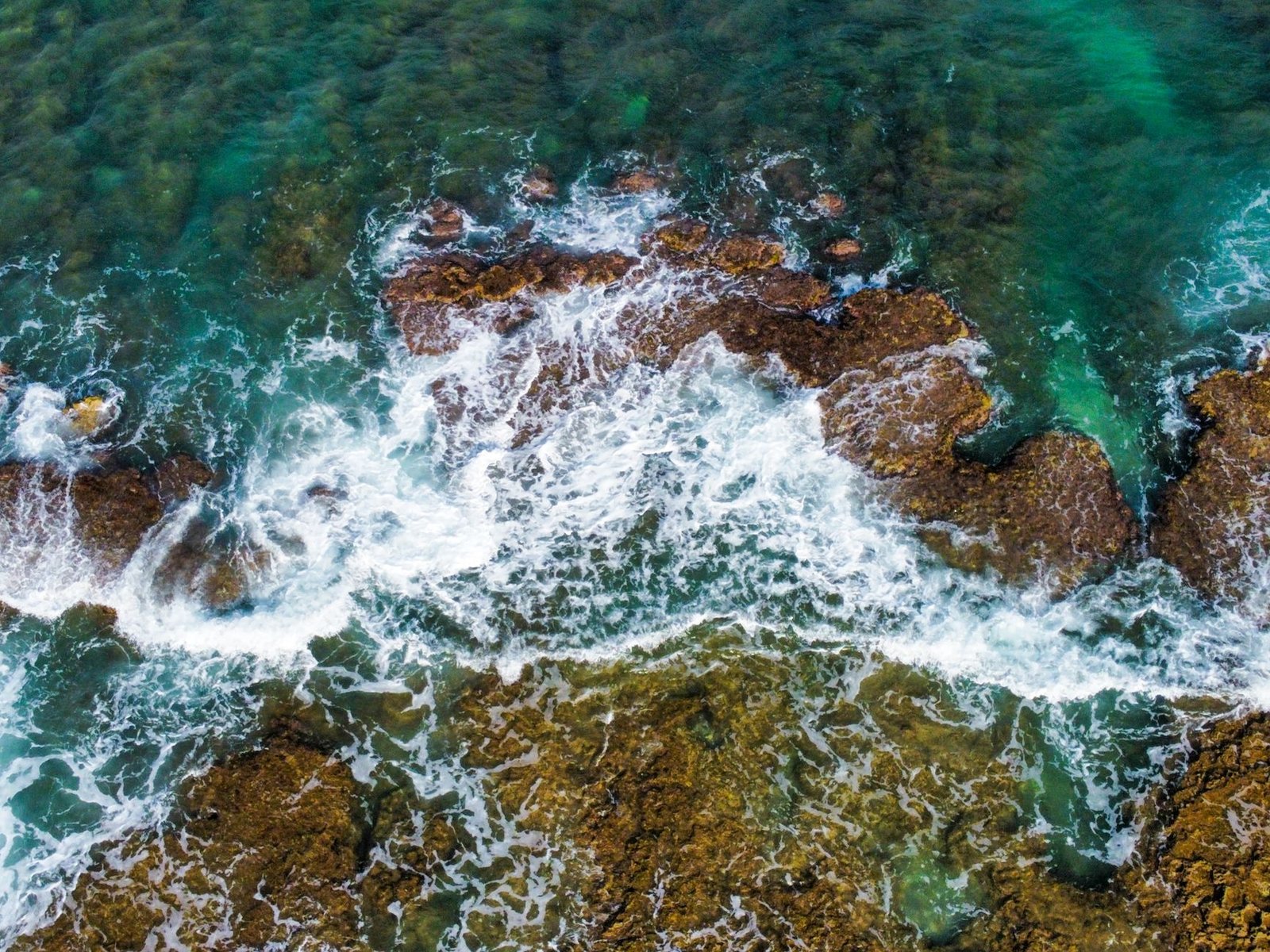
Engineered Submerged Reef Architecture and Larval Oyster Recruitment
Constructing resilient living shorelines in energetic open-water estuaries requires durable structural foundations. Coastal contractors place submerged rock sills or interlocking precast concrete ‘oyster castle’ blocks parallel to the shoreline in shallow subtidal waters, positioning the crest of the reef just below mean high water.
The rock matrix is seeded with millions of juvenile native oyster spat (Crassostrea virginica) set onto recycled shucked oyster shells inside state aquaculture hatcheries. Within two to three growing seasons, the live oysters cement themselves to the concrete substrate, forming a massive, interlocking living biogenic reef that grows vertically at rates matching sea-level rise.
Unlike dead concrete walls that degrade from saltwater corrosion and freeze-thaw spalling, a living oyster reef self-heals: healthy oysters continuously reproduce and add new calcium carbonate shell layers, maintaining structural breakwater mass perpetually without human maintenance.

Wave Attenuation Physics and Benthic Water Quality Filtration
The wave attenuation mechanics of submerged living breakwaters are rooted in physical fluid dynamics: as incoming wind waves travel across the shallow submerged reef, bottom friction against the rough, irregular oyster clusters forces waves to break offshore, dissipating up to 70 percent of their kinetic wave energy before water reaches the fragile marsh shoreline behind the reef.
Behind this calm wave shadow, planted salt marsh cordgrass (Spartina alterniflora) thrives, trapping suspended sediments and stabilizing the shoreline with dense, fibrous subterranean root networks. Simultaneously, the living oysters deliver phenomenal water quality benefits: a single adult oyster filters up to 50 gallons of water daily, extracting suspended phytoplankton, excess algae, and sediment turbidity, clarifying coastal waters and allowing sunlight to penetrate the seabed to revive dormant submerged seagrass meadows.
Marine biologists and coastal civil engineers praise living shorelines as the gold standard of modern coastal defense, proving that working with natural biological organisms delivers superior storm protection and ecological abundance compared to sterile concrete armor.
Official Public Records and Statutory Citations
The documentary evidence and administrative filings referenced in this investigation are indexed under the following public record dockets:
- United States Army Corps of Engineers, Nationwide Permit 54 (Living Shorelines, 2021 Reissuance / 2025 Standards).
- Coastal Zone Management Act, 16 U.S.C. 1451 et seq.
- Maryland Natural Resources Code, Title 4, Subtitle 11 (Oyster and Clam Fisheries Regulations).
- National Oceanic and Atmospheric Administration, Living Shorelines: Engineering and Ecological Best Practices.
Independent Oversight Outlook
The widespread deployment of living shoreline oyster reef breakwaters marks a transformative paradigm shift in American coastal engineering. As coastal communities confront rising sea levels through 2026 and 2027, nature-based biogenic reefs will provide the permanent physical shield protecting estuarine shorelines.
Spotted an error? Read our corrections policy and let us know.

Keep reading
Urban Stream Daylighting Projects Remove Concrete Culverts to Restore Natural Fluvial Geomorphology
FEMA Hazard Mitigation Assistance Buyouts Transform Repetitive Loss Floodplains into Natural Greenways
Vadose Zone Suction Lysimeters and Groundwater Protection Plans Enacted for Confined Animal Feeding Operations