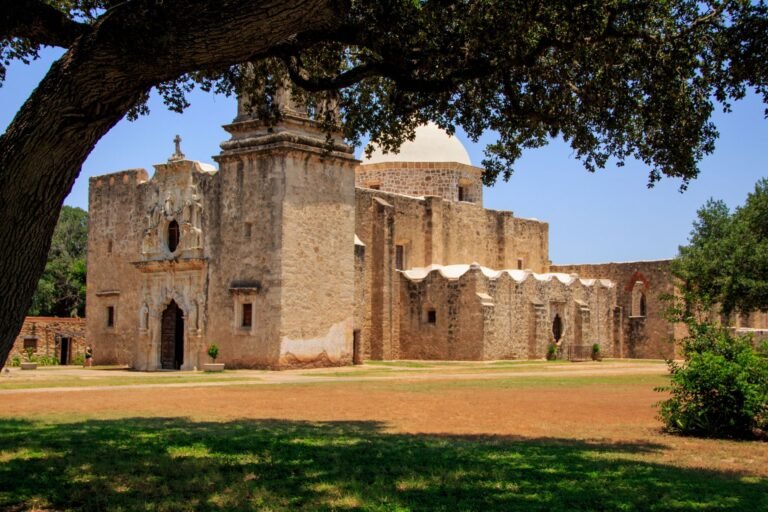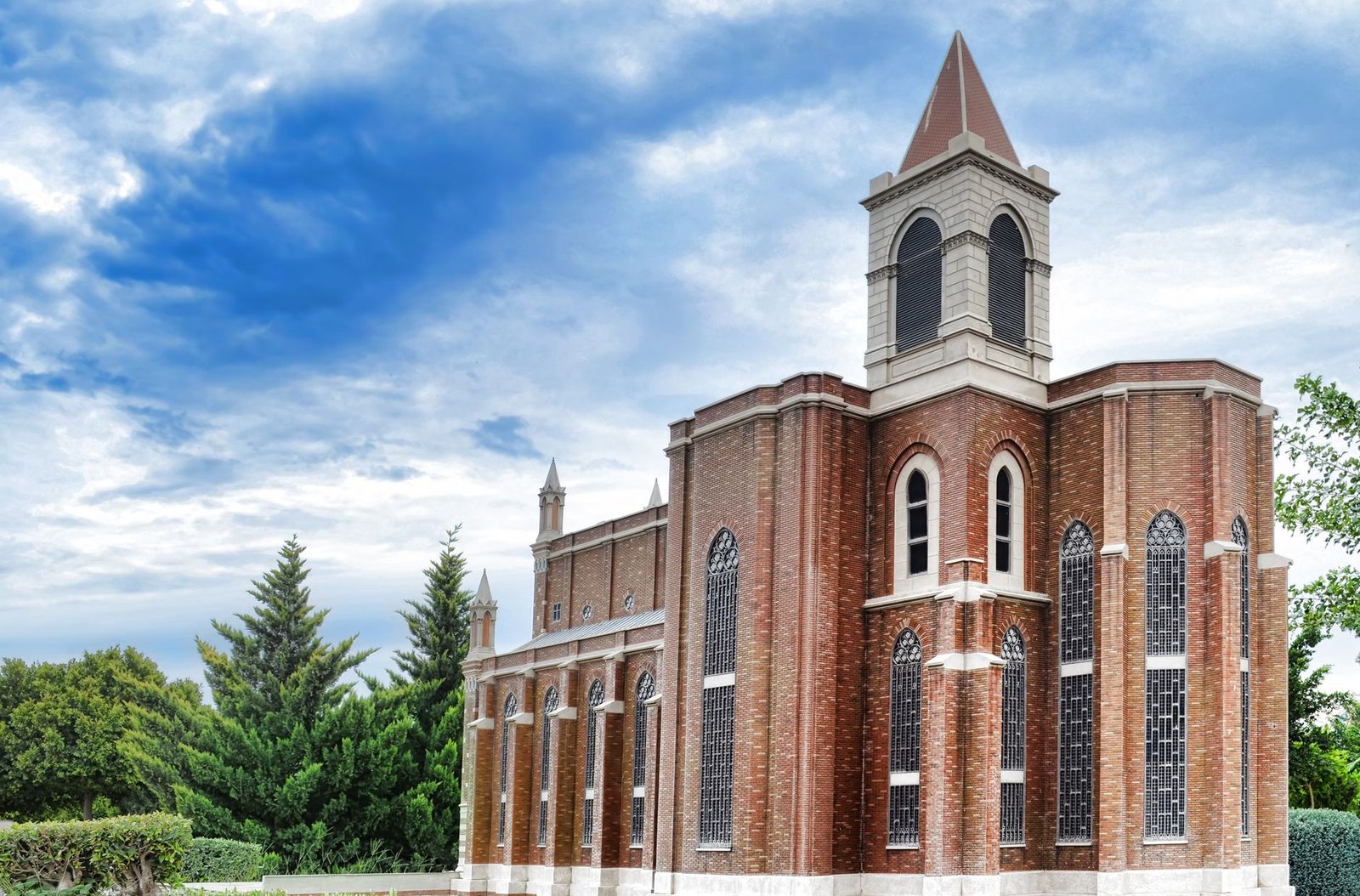
BIRMINGHAM – The National Trust for Historic Preservation, state historic preservation offices, and the African American Cultural Heritage Action Fund have completed structural stabilization, timber roof truss restoration, and stained-glass conservation across historic 19th- and early 20th-century Black churches and Civil Rights Movement organizing centers.
Statutory Framework and Regulatory Context
- Statutory Factor: National Historic Preservation Act Section 106 and National Historic Landmark criteria.
- Statutory Factor: African American Cultural Heritage Action Fund national capital grant guidelines.
- Statutory Factor: Secretary of the Interior’s Standards for Rehabilitation of Historic Religious Properties.
- Statutory Factor: Historic stained-glass window protective glazing and lead-came stabilization standards.
The Architectural and Cultural Crucible of Historic Black Sanctuaries
Historic Black churches in the United States represent both architectural masterworks of master African American builders and the foundational civic crucibles of American democratic freedom. Designed by pioneering Black architects such as Wallace Rayfield and built through the pooled financial pennies and labor of formerly enslaved congregants and their descendants, these sanctuaries incorporated dignified Romanesque Revival, Byzantine, and High Victorian Gothic architectural motifs.
During the Jim Crow era and the modern Civil Rights Movement, these sacred spaces served as far more than places of theological worship: they functioned as safe community meeting halls, voter registration clinics, mutual-aid headquarters, and non-violent tactical staging grounds for transformative national demonstrations, including the Montgomery Bus Boycott and the Birmingham Children’s Crusade.
However, many historic congregation halls face acute structural preservation challenges: century-old unreinforced brick masonry, deferred maintenance due to systemic economic inequality, shifting clay subsoils, and the natural oxidation of internal structural roof trusses pose urgent risks to these sacred heritage landmarks.
Comparative Metrics and Fiscal Impact Analysis
The following quantitative dataset summarizes verified public records, capital expenditure benchmarks, and oversight agency audit dockets across regional jurisdictions:
| Civil Rights Landmark Sanctuary | Construction Era & Architecture | Key Historical Civil Rights Role | Structural Preservation Engineering | National Register Designation |
|---|---|---|---|---|
| 16th Street Baptist Church | Erected 1911 / Romanesque & Byzantine | Civil Rights Movement Headquarters | Stained Glass Protective Glazing & Brick | National Historic Landmark Listed |
| Dexter Avenue King Memorial Baptist | Erected 1883 / High Victorian Gothic | Bus Boycott Organizing Sanctuary | Timber Roof Truss Tension Tie System | National Historic Landmark Landmark |
| First African Baptist Church | Erected 1859 / Hand-Hewn Brick | Oldest Continuous Black Congregation | Floor Joist Pier Foundation Stabilization | National Register of Historic Places |
| Bethel Baptist Church Landmark | Erected 1926 / Renaissance Revival | ACMHR Freedom Movement Headquarters | Exterior Mortar Repointing & Shoring | UNESCO World Heritage Tentative List |
Timber Roof Truss Restoration and Masonry Repointing Protocols
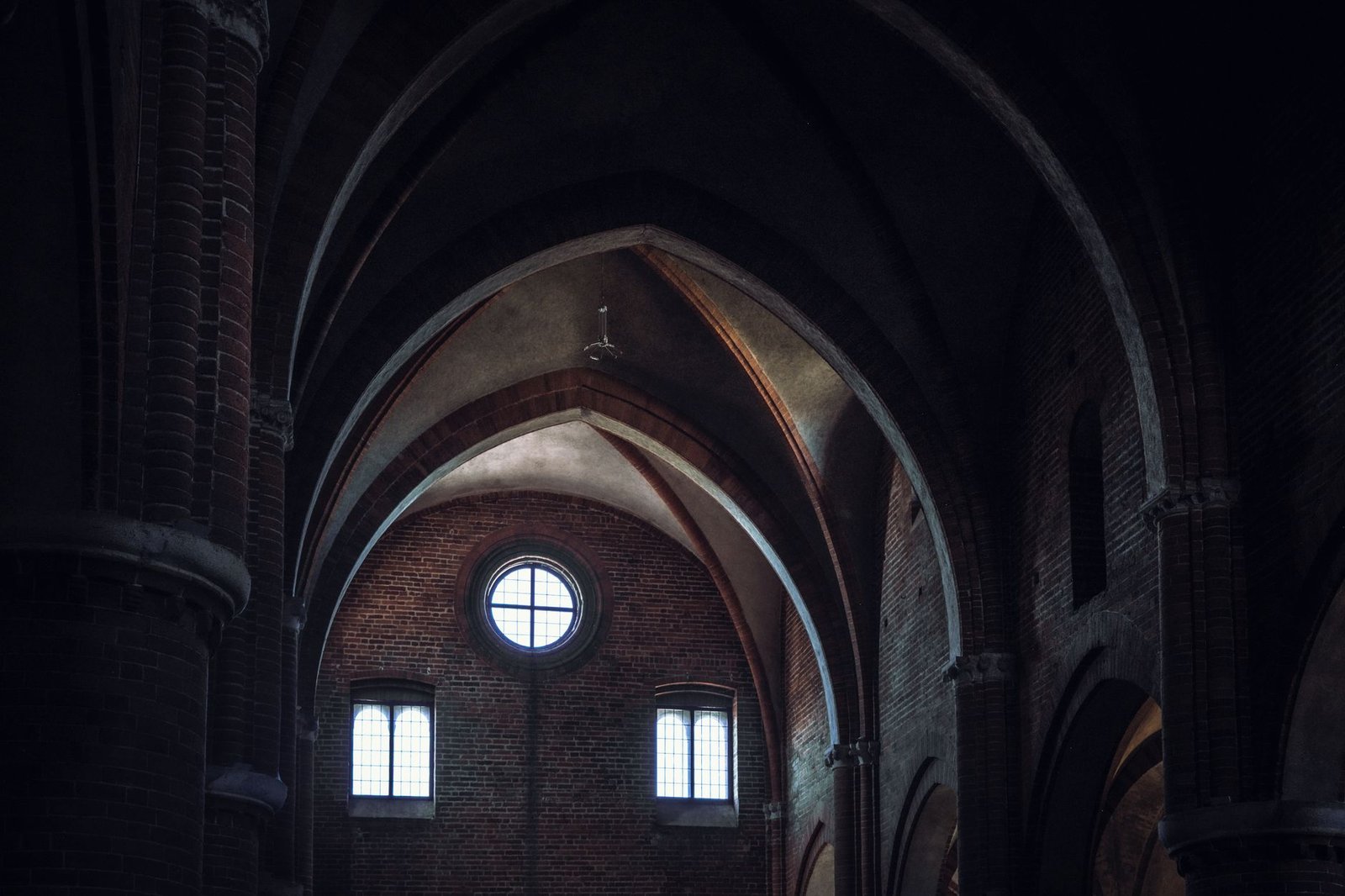
Preservation structural engineers execute comprehensive, non-destructive evaluations utilizing 3D laser scanning and ultrasonic pulse velocity testing to assess the integrity of massive timber scissors trusses spanning cathedral ceilings. Where historic yellow pine timbers have experienced moisture infiltration and insect boring, conservators insert concealed structural steel flitch plates into the core of the timber beams, securing them with through-bolts to restore structural load-bearing capacity without altering the visible historic wooden profiles.
On exterior masonry walls, conservators painstakingly rake out deteriorated Portland-cement patches applied during 20th-century repairs, which trapped internal moisture and caused historic hand-molded bricks to spall and crumble. Masons hand-mix breathable natural hydraulic lime (NHL) mortar formulations precisely matched to the softness, aggregate color, and compressive strength of the original late-19th-century mortar.
Furthermore, foundation contractors install deep micropiles and perimeter French drainage networks around sanctuary perimeters to divert hydrostatic stormwater away from historic rubble-stone foundations.
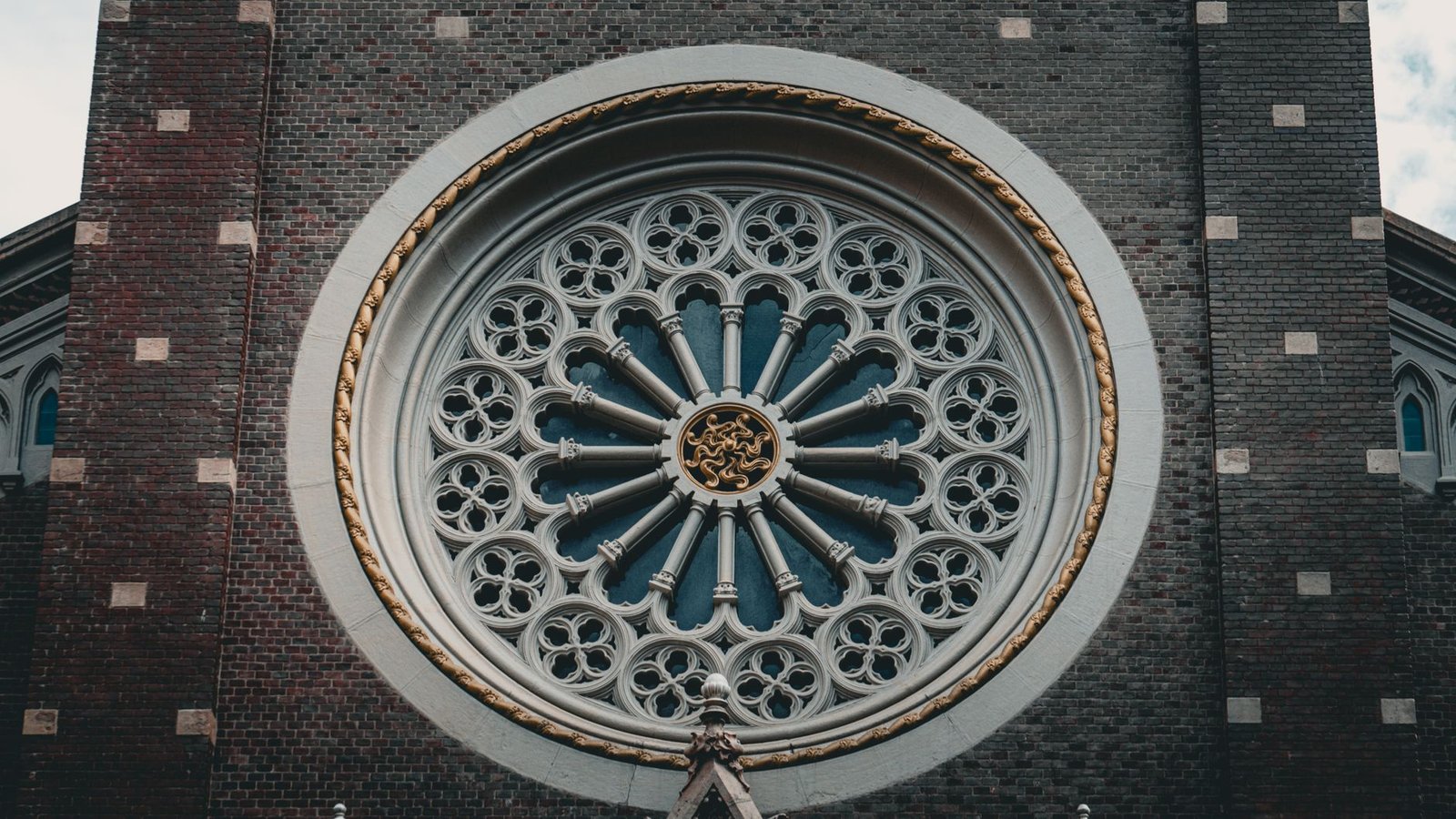
Lead-Came Stained Glass Stabilization and Energy-Efficient Protective Glazing
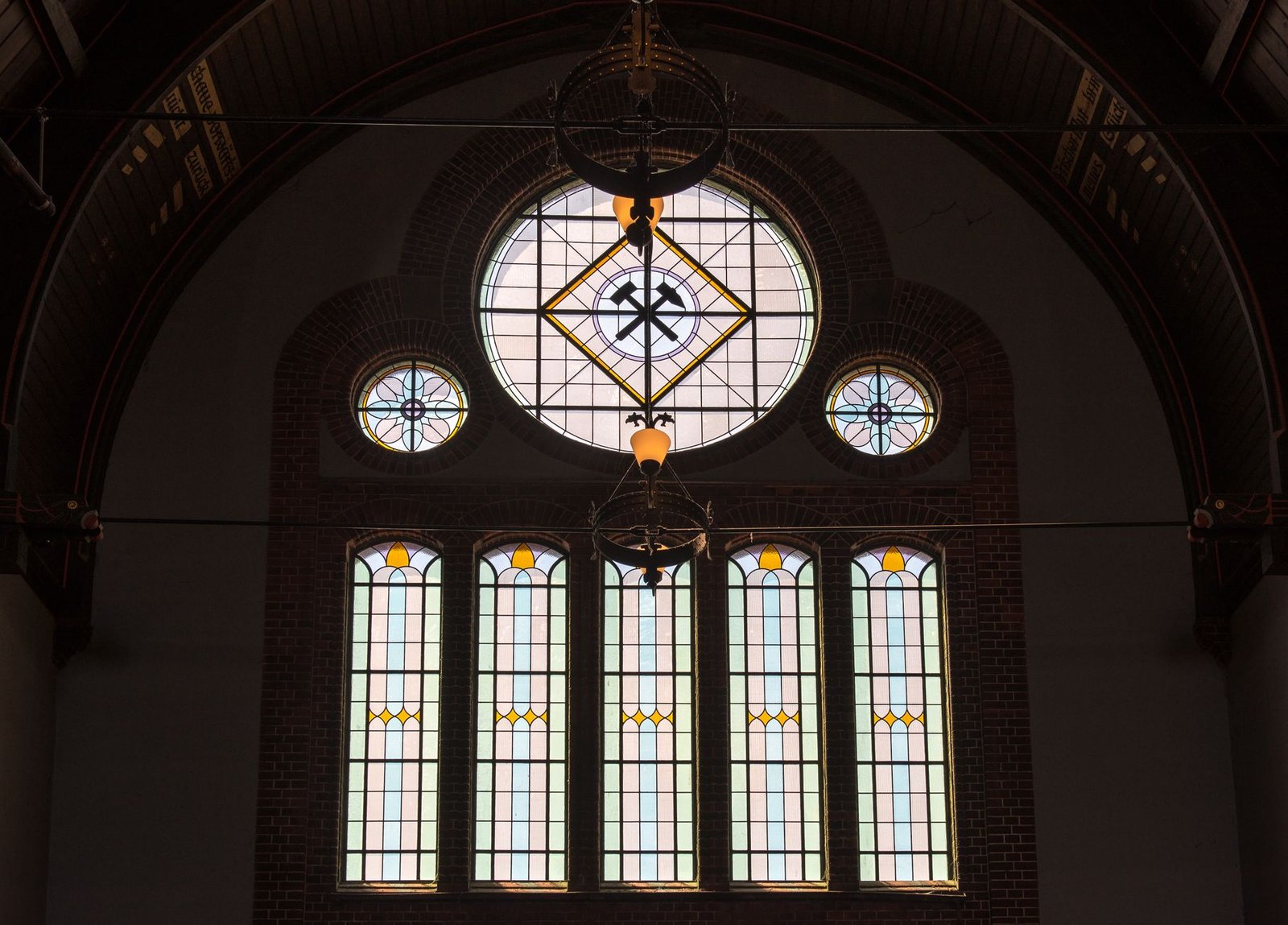
The luminous stained-glass memorial windows in historic sanctuaries represent extraordinary treasures of sacred art, often depicting biblical narratives intertwined with emancipation themes. Over a century of environmental heat and gravity, the malleable lead ‘cames’ (the structural channels holding individual stained-glass pieces together) stretch, bow, and buckle, threatening catastrophic window collapse.
Master stained-glass artisans carefully remove window lancets section by section, transporting them to conservation studios where individual colored glass segments are gently cleaned, cracked historic glass is repaired using optically clear conservation epoxy, and the entire window is re-leaded with durable zinc-alloy reinforced came strips.
Upon reinstallation, conservators install custom exterior protective glazing systems: utilizing thermally broken, vented aluminum frames fitted with low-iron laminated hurricane-resistant glass. Unlike historic unvented plexiglass covers that trapped excessive condensation and heat, modern vented protective glazing allows continuous convection airflow, shielding irreplaceable stained glass from vandalism, hail, and moisture damage.
Official Public Records and Statutory Citations
The documentary evidence and administrative filings referenced in this investigation are indexed under the following public record dockets:
- National Historic Preservation Act, 54 U.S.C. 300101 et seq.
- Secretary of the Interior’s Standards for Rehabilitation, 36 C.F.R. Part 67.
- National Park Service, Preservation Brief 33: The Preservation and Repair of Historic Stained Glass.
- Historic Preservation Fund Grants to Underrepresented Communities, 54 U.S.C. 302904.
Independent Oversight Outlook
The preservation and physical stabilization of historic Civil Rights landmark churches ensures that the sacred architecture of American freedom remains standing in full dignity. Through philanthropic support, specialized master craftsmanship, and community stewardship across 2026 and 2027, these monumental sanctuaries will continue to educate, inspire, and anchor future generations.
Spotted an error? Read our corrections policy and let us know.
Keep reading
High-Country Ranching Line Camps and Notched Log Cabins Restored Across Intermountain Grazing Allotments
Historic Dimensional Limestone Quarries and Stonecutter Sheds Reclaimed Under Industrial Geo-Heritage Programs
Historic Appalachian Mountain Ballad Collections and Bluegrass Acetate Discs Preserved Under National Audio Heritage Standards