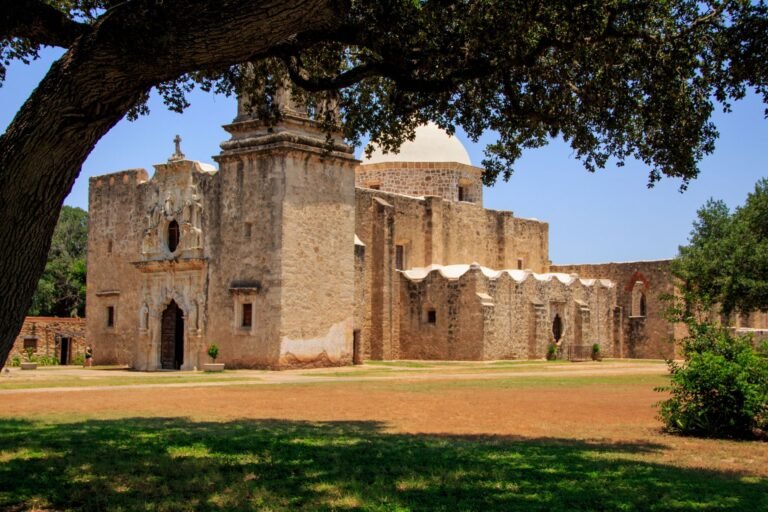
LEXINGTON – Historic agricultural trusts, master stonemason guilds, and rural heritage alliances across Kentucky’s Bluegrass region, the Shenandoah Valley, and New England have completed multi-mile conservation projects on historic 18th- and 19th-century dry-stacked fieldstone fences, reviving traditional mortar-less stonecraft and preserving iconic agricultural cultural landscapes.
Statutory Framework and Regulatory Context
- Statutory Factor: National Historic Preservation Act Section 106 historic agricultural landscape guidelines.
- Statutory Factor: Secretary of the Interior’s Standards for the Treatment of Historic Properties (Historic Rural Vernacular Features).
- Statutory Factor: State Department of Agriculture Century Farm and Agricultural Heritage District covenants.
- Statutory Factor: Dry Stone Conservancy professional master craftsman certification standards.
The Physics and Engineering of Mortar-Less Dry-Stone Retaining Walls
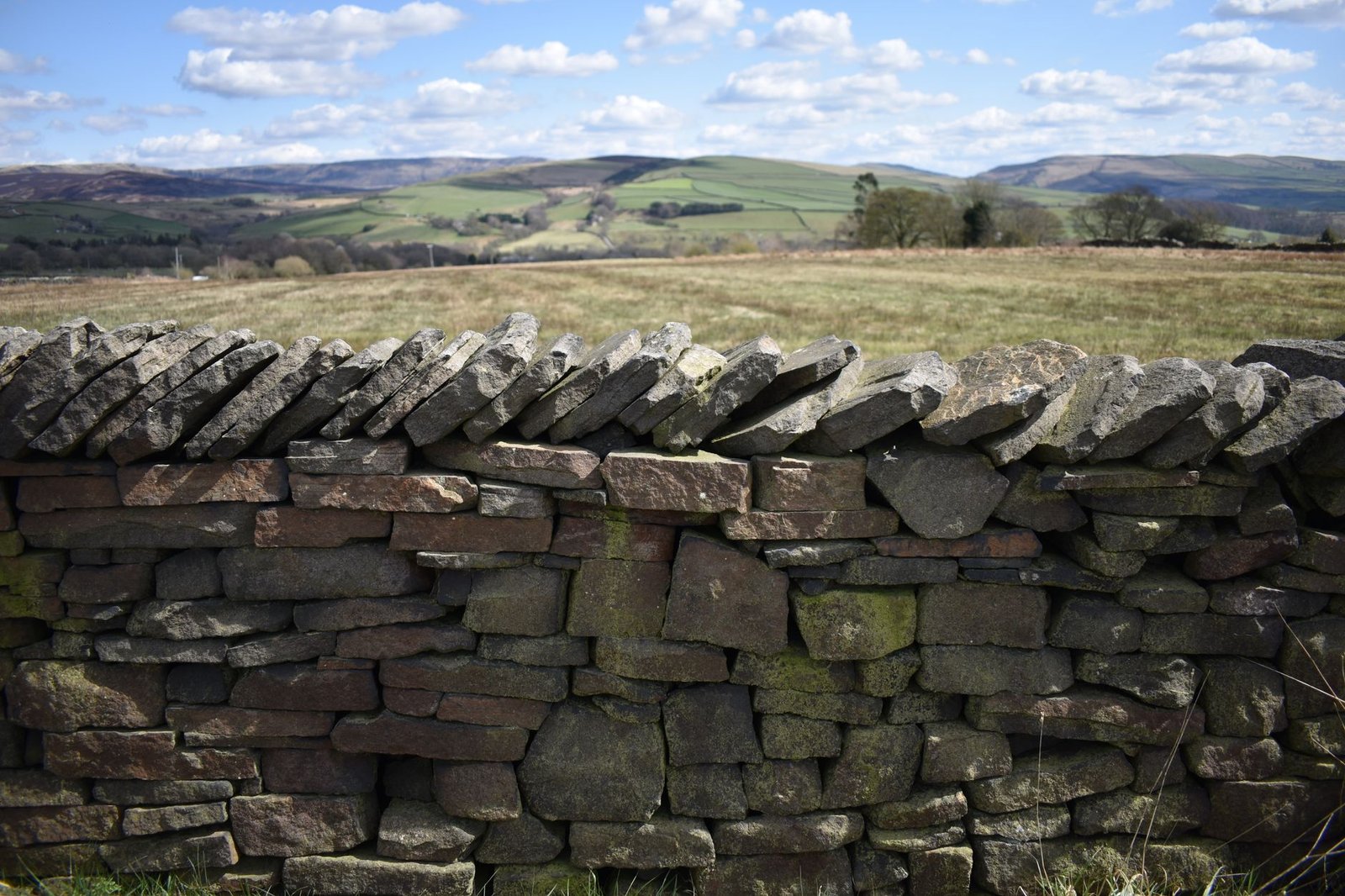
Unlike modern masonry that relies upon Portland cement mortar to glue bricks and blocks together into a rigid monolithic mass, traditional dry-stone masonry is a flexible, gravity-driven structural engineering craft that uses no mortar whatsoever. Constructed from fieldstones cleared from glacial soils or quarried local limestone slabs, a properly built dry-stone wall functions through friction, interlocking geometric stone placement, and the downward force of gravity.
Masons dig a shallow foundation trench below topsoil, laying large, flat ‘foundation stones’ that span the full width of the wall base. From there, the wall is constructed with a precise inward slope (the ‘batter’) on both faces, tapering inward by approximately one inch for every foot of vertical height. The space between the outer face stones is meticulously packed with angular, hand-broken stone chips known as ‘hearting.’
Every two to three vertical feet, masons place massive ‘through stones’ (or tie stones) that pass completely through the entire thickness of the wall from front to back, locking the two outer faces together and preventing wall bulging or separation under heavy lateral soil loads.
Comparative Metrics and Fiscal Impact Analysis
The following quantitative dataset summarizes verified public records, capital expenditure benchmarks, and oversight agency audit dockets across regional jurisdictions:
| Historic Agricultural District | Predominant Stone Geology | Historic Craft Tradition | Structural Restoration Technique | Landscape Designation Status |
|---|---|---|---|---|
| Kentucky Bluegrass Pastures | Ordovician Dense Limestone | Irish & Scottish Mason Tradition | Dry-Stacked Batter & Coping Stones | National Rural Historic District |
| Shenandoah Valley Agricultural Belt | Cambrian Dolomite & Freestone | Scotch-Irish & German Settlers | Two-Faced Wall with Hearting Core | State Agricultural Heritage Preserve |
| Connecticut Farm Fences | Glacial Erratic Fieldstone Granite | Yankee Colonial Clearing Walls | Single-Course Bounding Wall Rebuild | State Scenic Byway Heritage Route |
| Virginia Piedmont Equestrian Farms | Triassic Siltstone & Metadiabase | Enslaved & Free Artisan Guilds | Foundation Trench Drainage Bedding | County Scenic Conservation Easement |
Hydraulic Drainage Superiority and Climate Resilience Over Cement Mortar
From an environmental and engineering standpoint, traditional dry-stone construction possesses extraordinary advantages over modern mortared concrete walls: it is completely permeable to water. In rainy seasons and severe mountain storms, hydrostatic groundwater pressure behind a retaining wall builds up immense mechanical pressure; while rigid concrete walls frequently crack, bulge, and suffer catastrophic blowout failures, a dry-stone wall allows groundwater to weep freely through thousands of tiny interlocking stone voids without displacing the stones.
Furthermore, during harsh winter freeze-thaw cycles, dry-stone structures possess inherent mechanical flexibility: as wet ground freezes and heaves, dry-stacked stones shift slightly to accommodate soil expansion and settle back into place during spring thawing without cracking.
When well-meaning property owners mistakenly apply Portland cement mortar to antique dry-stone walls, they trap subsurface water inside the wall matrix; when winter frost hits, the trapped water expands and violently shatters the face stones, accelerating structural collapse.
Master Craftsman Guild Apprenticeships and Agricultural Heritage Easements
To preserve this endangered artisan craft, regional heritage organizations have partnered with professional organizations like the Dry Stone Conservancy to establish formal multi-year stonecraft apprenticeship academies. Veteran master stonemasons train a new generation of rural artisans, landscape architects, and municipal road workers in the rigorous mathematics, tactile stone selection, and hammer-dressing techniques of historical dry-stone construction.
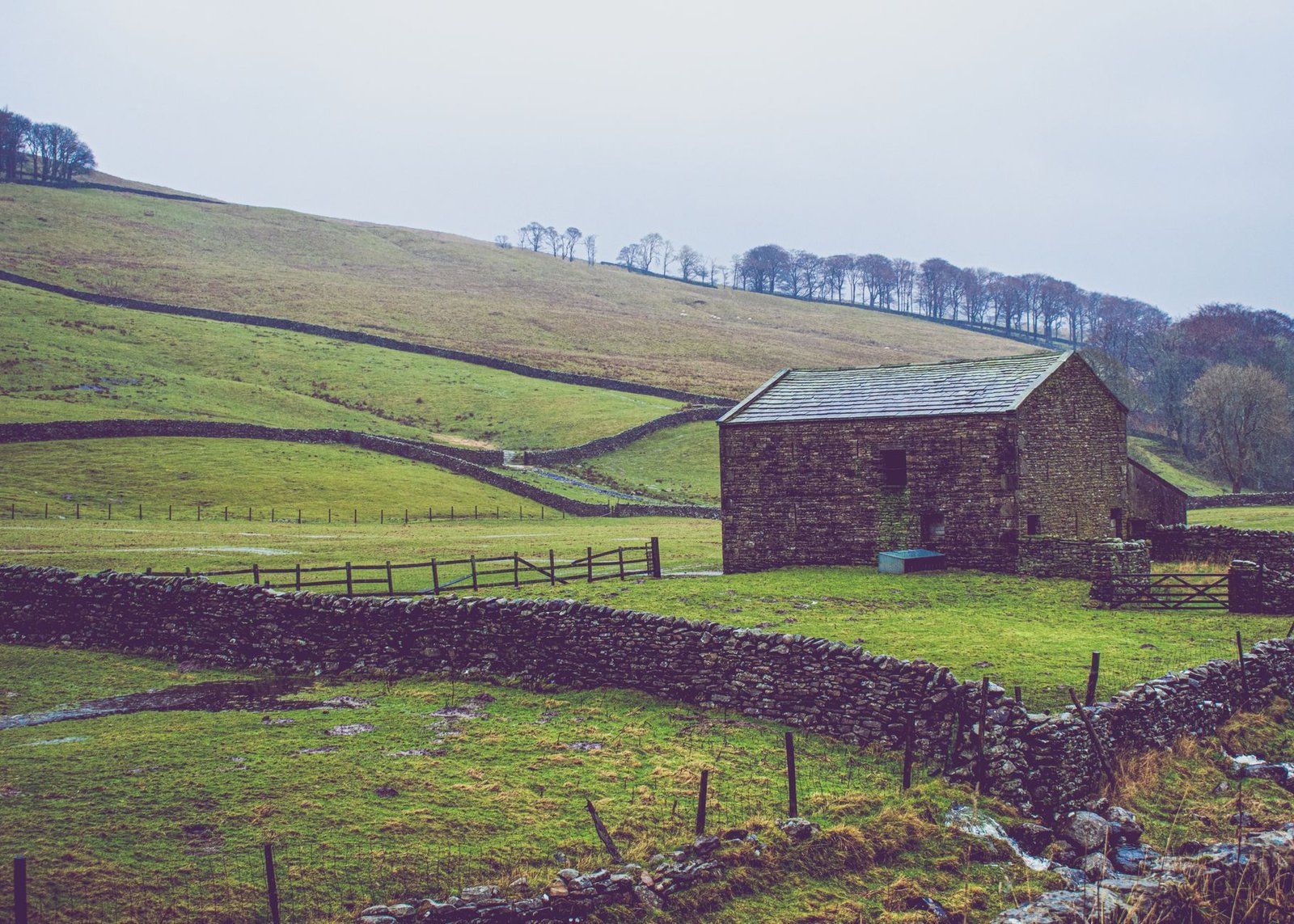
County governments and agricultural land trusts have instituted targeted conservation easements and property tax incentives for farmers who commit to maintaining historic stone walls along rural roadways, recognizing that these dry-stone fences define the authentic visual character of American agrarian culture.
Beyond human aesthetics, dry-stone walls provide critical micro-habitats for native wildlife: the cool, sheltered voids within the stone core offer vital nesting sites for beneficial native bees, lizards, songbirds, and small mammals, creating rich ecological corridors that weave seamlessly across working agricultural landscapes.
Official Public Records and Statutory Citations
The documentary evidence and administrative filings referenced in this investigation are indexed under the following public record dockets:
- National Historic Preservation Act, 54 U.S.C. 300101 et seq.
- Secretary of the Interior’s Standards for the Treatment of Historic Properties (Guidelines for the Treatment of Cultural Landscapes).
- Kentucky Revised Statutes, KRS 171.381 (State Historic Preservation Officer Authority & Landmark Protection).
- Dry Stone Conservancy, Standards of Quality for Dry Stone Craftsmanship and Wall Reconstruction.
Independent Oversight Outlook
The revitalization of traditional dry-stacked fieldstone masonry preserves an ancient, sustainable engineering craft that shaped the agrarian foundations of North America. Through guild apprenticeships and agricultural conservation easements across 2026 and 2027, these magnificent mortar-less stone monuments will continue to grace the American countryside for centuries.
Spotted an error? Read our corrections policy and let us know.

Keep reading
High-Country Ranching Line Camps and Notched Log Cabins Restored Across Intermountain Grazing Allotments
Historic Dimensional Limestone Quarries and Stonecutter Sheds Reclaimed Under Industrial Geo-Heritage Programs

Historic Appalachian Mountain Ballad Collections and Bluegrass Acetate Discs Preserved Under National Audio Heritage Standards