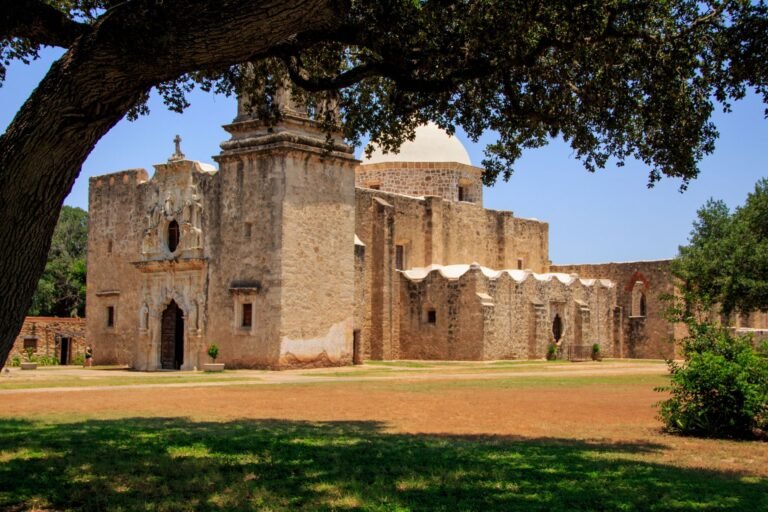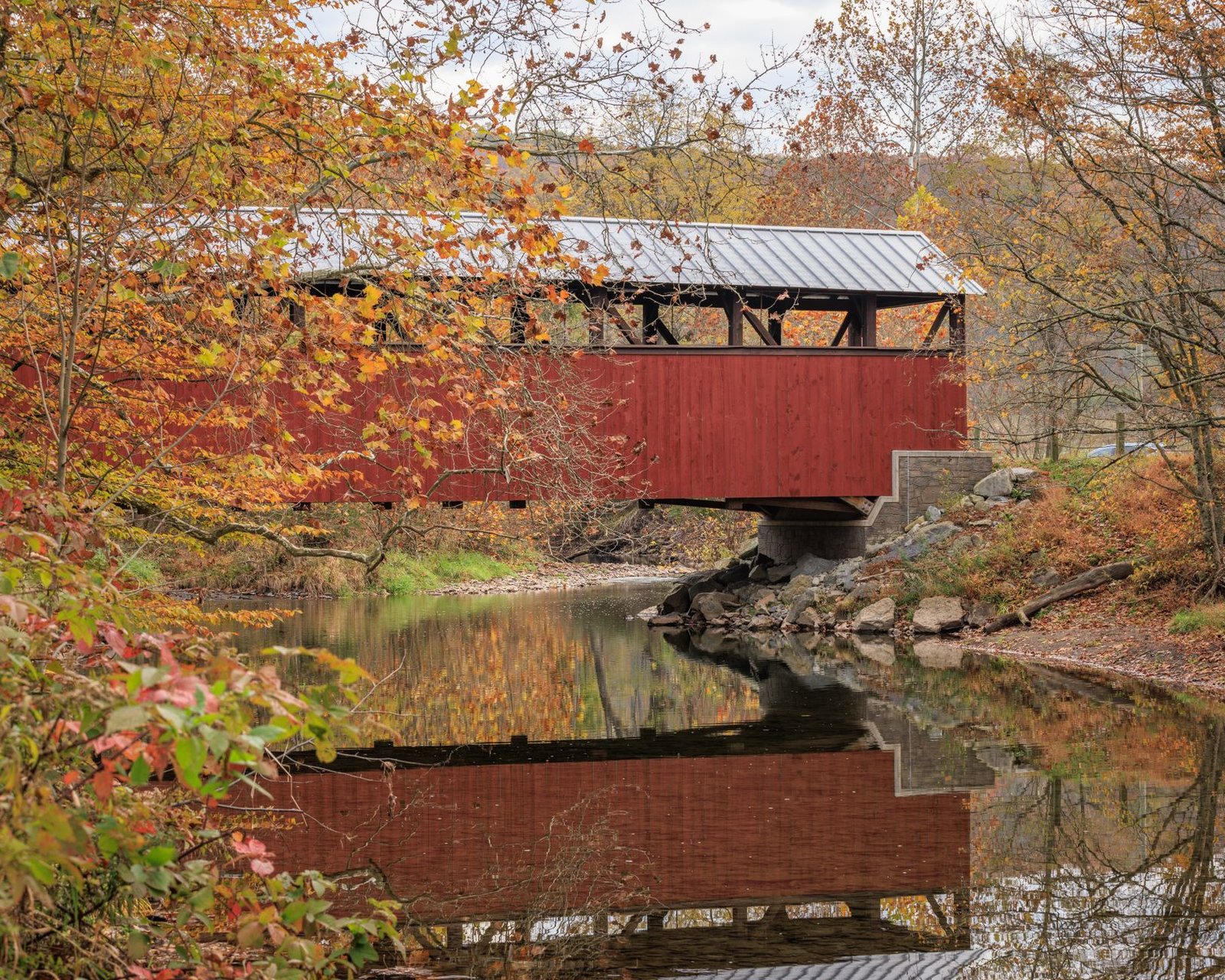
LANCASTER – State transportation departments and timber engineering restoration specialists across Pennsylvania, Ohio, and Indiana have completed structural rehabilitations of historic 19th-century wooden covered bridges, deploying stress-wave timer ultrasonic testing to preserve original white oak and white pine Burr arch trusses without compromising structural vehicular safety.
Statutory Framework and Regulatory Context
- Statutory Factor: National Historic Covered Bridge Preservation Program (23 U.S.C. 144 note) statutory authorizations.
- Statutory Factor: Federal Highway Administration Historic Covered Bridge Inspection & Evaluation guidelines.
- Statutory Factor: Secretary of the Interior’s Standards for the Treatment of Historic Properties (Historic Bridges).
- Statutory Factor: AASHTO Guidelines for the Design and Rehabilitation of Historic Covered Bridges.
The Structural Genius of 19th-Century Timber Truss Engineering
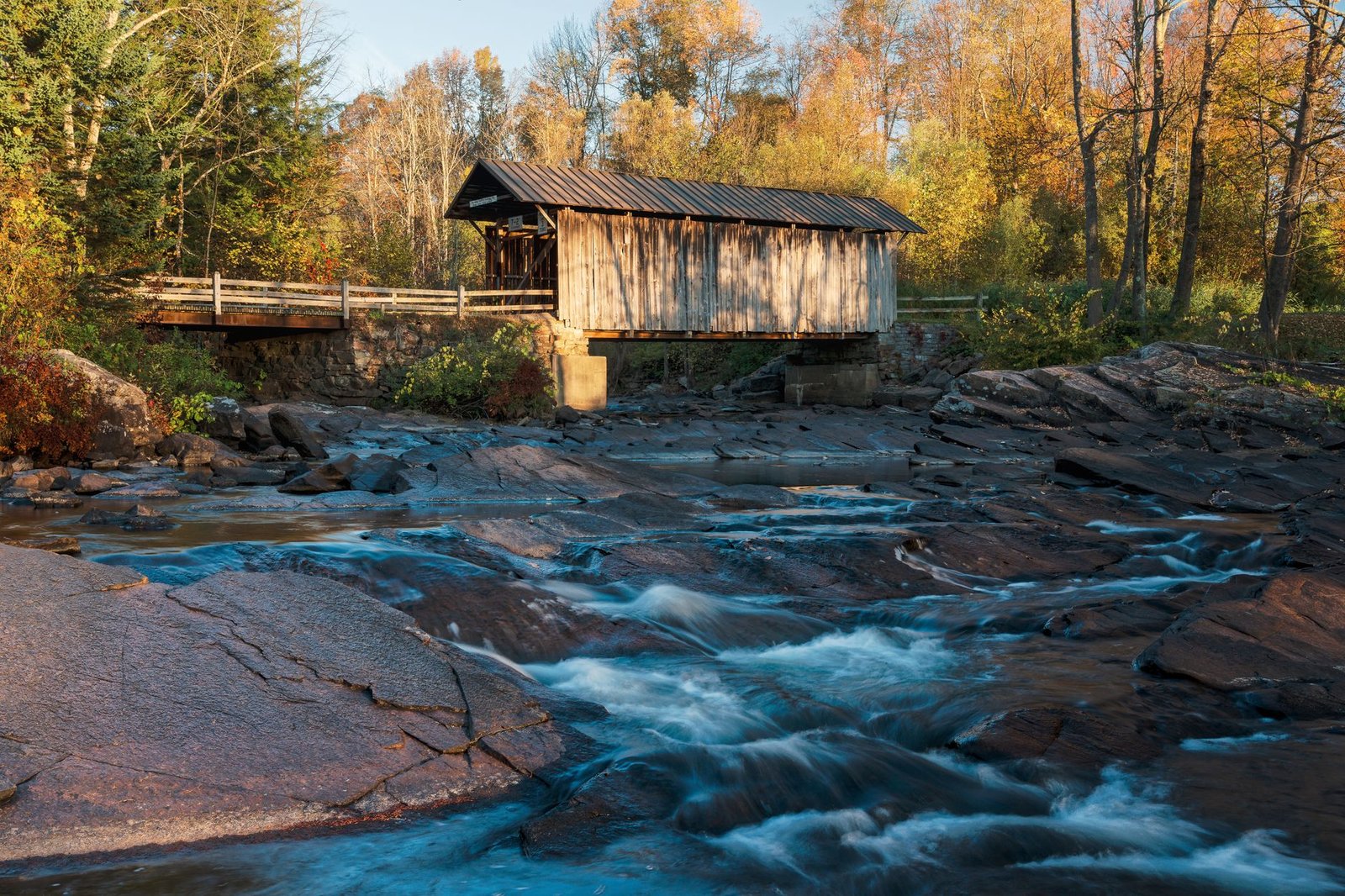
During the 19th century, before the widespread availability of structural steel, American civil engineers pioneered ingenious wooden truss designs capable of spanning broad river valleys without intermediate piers. The most famous was the Burr Arch Truss—patented in 1804 by Theodore Burr—which combined a multi-panel wooden parallel chord truss with a massive structural arch timber bolted directly to the vertical posts, providing unmatched load-bearing capacity and rigidity.
A widespread historical misconception is that covered bridges were built with roofs and wooden siding to provide shelter for travelers during rainstorms. In reality, the wooden roof and side cladding were installed strictly to protect the massive internal load-bearing structural timber trusses from rainwater rot and solar UV degradation: an uncovered wooden timber bridge rotted within 10 to 15 years, whereas a properly roofed covered bridge easily lasted over 150 years.
However, over generations of service, vehicle exhaust soot, roof leaks, road salt tracked in by winter snowplows, and insect infestations (powderpost beetles and carpenter ants) caused localized internal decay inside critical timber truss joints and lower chord tension members.
Comparative Metrics and Fiscal Impact Analysis
The following quantitative dataset summarizes verified public records, capital expenditure benchmarks, and oversight agency audit dockets across regional jurisdictions:
| Historic Covered Bridge | Erected Date & Truss Type | Span Length (Feet) | Original Timber Species | Non-Destructive Timber Assessment |
|---|---|---|---|---|
| Pine Grove Covered Bridge | Erected 1884 / Burr Arch Truss | 198 Feet Multi-Span | Native White Oak & Poplar | Stress-Wave Timer Passed 92% |
| Eldean Covered Bridge | Erected 1860 / Long Truss | 224 Feet Clear Span | Heart White Pine Timber | Resistograph Micro-Drill Verified |
| Brubaker Covered Bridge | Erected 1887 / Kingpost Arch | 88 Feet Single Span | Hand-Hewn Hemlock & Oak | Ultrasonic Modulus Certified |
| Medora Historic Covered Span | Erected 1875 / Triple Burr Arch | 434 Feet (Longest US Span) | Rough-Hewn Native Hardwood | Fiberglass Structural Epoxy Infill |
Non-Destructive Stress-Wave Ultrasonic Testing and Resistograph Profiling
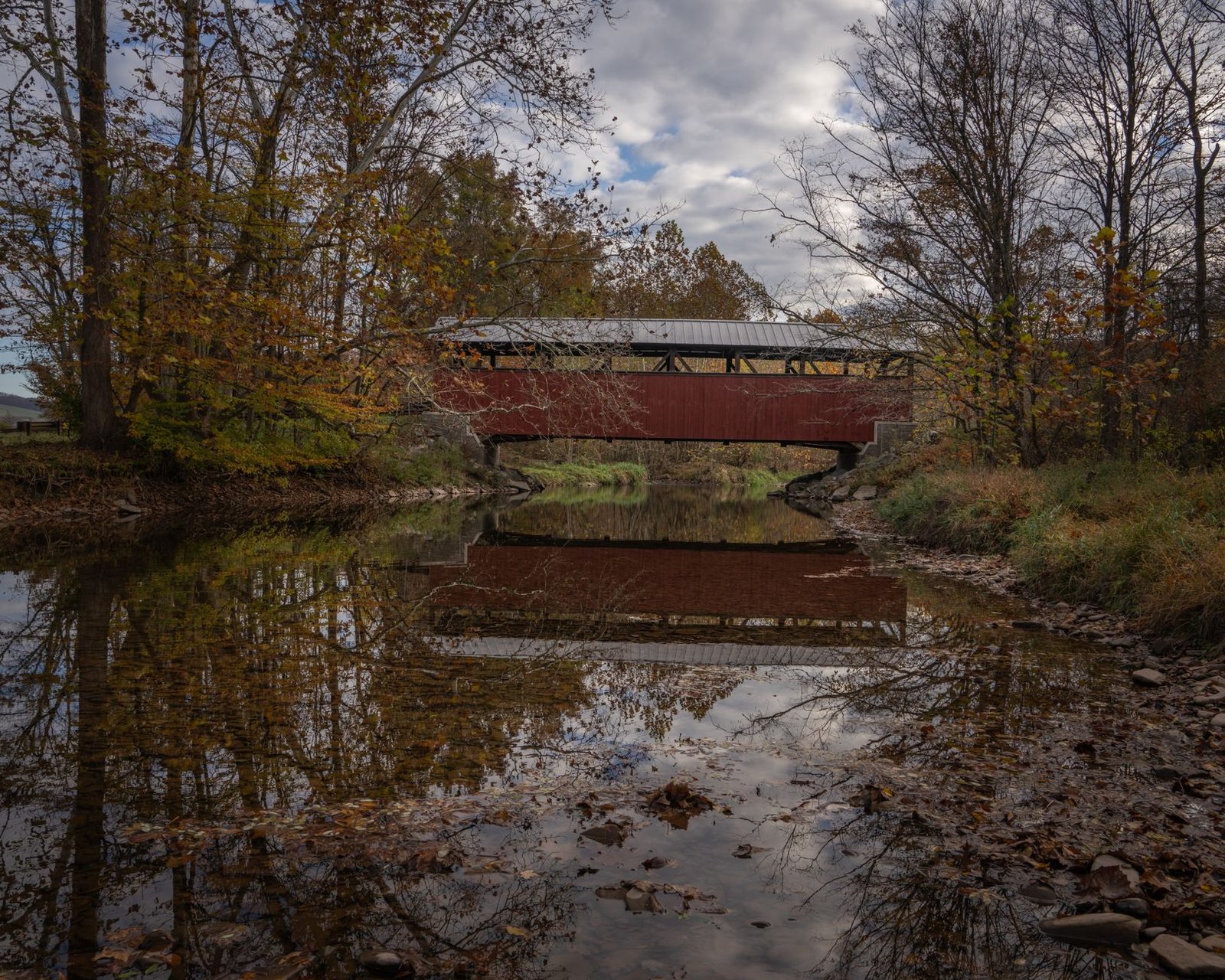
Historic preservation engineering strictly prohibits destructive testing that damages original hand-hewn structural timbers. To accurately locate internal fungal decay pockets hidden deep inside massive 12-by-16-inch solid oak chord members, timber engineers deploy non-destructive stress-wave timers and micro-drilling resistographs.
A stress-wave timer utilizes two piezoelectric accelerometers clamped to opposite sides of a timber beam. When a small mechanical impact is applied, the instrument measures the micro-second transmission time of the acoustic stress wave through the wood: sound waves travel rapidly through sound, dense wood (approximately 4,000 to 5,000 feet per second), but slow down dramatically or disperse when encountering internal fungal decay or hollow rot pockets.
Engineers follow up with micro-drilling resistographs that drive a hairline 1.5-millimeter needle into the timber, recording mechanical drilling resistance at sub-millimeter depth intervals. This generates a precise digital density profile across the entire timber cross-section, allowing engineers to calculate the exact remaining structural cross-sectional area of the original timber.
Traditional Trunnel Joinery, Epoxy Infill, and Fire Suppression Systems
When localized rot is identified, historic preservation standards mandate surgical conservation rather than wholesale timber replacement. Decayed portions are carefully excavated with chisels, and the void is infilled with high-strength, structural epoxy resins reinforced with embedded fiberglass rods that restore 100 percent of original compressive and shear load capacity while preserving the historic timber exterior.
Where structural timber replacement is unavoidable, timber framers use authentic 19th-century joinery techniques, securing joints with octagonal hardwood wooden pins (‘trunnels’ or tree-nails) turned from split white oak on foot-powered lathes, rather than using modern steel lag bolts that corrode and split antique wood.
Crucially, historic covered bridges are retrofitted with comprehensive fire and arson defense systems, including flame-retardant clear mineral penetrants, thermal infrared flame detectors, and dry-pipe nitrogen-charged water deluge systems that activate within seconds if fire is detected, permanently preserving America’s iconic covered bridges as working civic landmarks.
Official Public Records and Statutory Citations
The documentary evidence and administrative filings referenced in this investigation are indexed under the following public record dockets:
- National Historic Covered Bridge Preservation Program, 23 U.S.C. 144 note (Public Law 109-59 authorization).
- Federal Highway Administration, Covered Bridge Manual (FHWA-HRT-04-098).
- AASHTO Guidelines for the Design and Rehabilitation of Historic Covered Bridges (2024 Revisions).
- Pennsylvania Historic and Museum Commission, Covered Bridge Preservation Policy and Standards.
Independent Oversight Outlook
The preservation of America’s historic covered bridges represents a glorious fusion of 19th-century craftsmanship and 21st-century non-destructive engineering. Through dedicated federal grants and specialized timber framing restorations across 2026 and 2027, these iconic wooden spans will continue to safely carry traffic across American rural waterways for generations.
Spotted an error? Read our corrections policy and let us know.
Keep reading
High-Country Ranching Line Camps and Notched Log Cabins Restored Across Intermountain Grazing Allotments

Historic Dimensional Limestone Quarries and Stonecutter Sheds Reclaimed Under Industrial Geo-Heritage Programs

Historic Appalachian Mountain Ballad Collections and Bluegrass Acetate Discs Preserved Under National Audio Heritage Standards