SANTA FE – Historic acequia irrigation associations and Indigenous Pueblo councils across the Rio Grande and Taos valleys have codified customary water-sharing bylaws and historic mud-mortar plastering traditions, maintaining centuries-old communal gravity-ditch irrigation systems that sustained agrarian civilization in the arid Southwest since the 16th century.
Statutory Framework and Regulatory Context
- Statutory Factor: New Mexico Statutes Annotated, Chapter 73, Articles 2 and 3 (Acequia and Community Ditch Associations).
- Statutory Factor: Treaty of Guadalupe Hidalgo of 1848, protecting pre-existing property and water rights.
- Statutory Factor: National Historic Preservation Act Section 106 traditional cultural property protections.
- Statutory Factor: State Historic Preservation Office Historic Adobe Wall and Mud-Plaster Conservation Standards.
The Communal Hydro-Democracy of Acequia Governance and the Mayordomo
Unlike Anglo-American prior appropriation water law—which treats water as a private, transferable economic commodity governed by ‘first in time, first in right’ rules that allow senior water rights holders to completely dewater rivers while junior neighbors run dry—the acequia systems of northern New Mexico and southern Colorado operate on an ancient communal hydro-democracy inherited from Moorish Spain and Indigenous Pueblo traditions.
Each acequia association operates as an autonomous, self-governing political subdivision. Parciantes (landowners with water rights) elect a three-member commission and a Mayordomo (ditch master) who holds absolute executive authority over water distribution. During seasonal summer droughts when river flows drop, the Mayordomo invokes the traditional principle of ‘repartimiento’ (equitable sharing): water is allocated not by senior priority date, but by shared rotational ‘turnos’ based on crop survival needs.
Every parciante bears a mandatory communal civic duty to participate in the annual spring ‘limpieza de la acequia’ (ditch cleaning), joining neighbors with shovels and axes to clear winter silt, fallen cottonwood branches, and debris from miles of unlined earthen gravity ditches before the spring snowmelt arrives.
Comparative Metrics and Fiscal Impact Analysis
The following quantitative dataset summarizes verified public records, capital expenditure benchmarks, and oversight agency audit dockets across regional jurisdictions:
| Historic Acequia Association | Charter Establishment Date | Active Irrigated Acreage | Water Allocation Modality | Historic Preservation Status |
|---|---|---|---|---|
| Acequia Madre de Santa Fe | Chartered 1610 / Spanish Era | 450 Valley Micro-Farms | Communal Mayordomo Turnos | State Cultural Landmark |
| Acequias de San Antonio (Taos) | Pueblo Traditions Pre-1680 | 680 High-Mountain Acres | Customary Repartimiento Flow | National Register Historic Dist |
| Acequia de la Otra Banda | Chartered 1745 / Rio Arriba | 520 Alluvial Orchard Acres | Low-Flow Scarcity Sharing | Traditional Cultural Property |
| Acequia del Monte del Rio | Established 1715 / Chimayo | 380 Heirloom Chili Acres | Hydrologic Gravity Basin | Inviolate Communal Trust |

Historic Mud-Mortar Chemistry and Traditional Adobe Plaster Maintenance
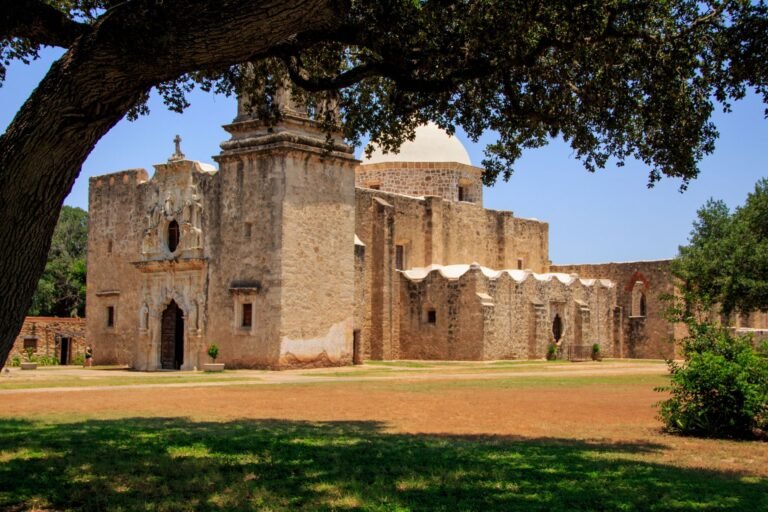
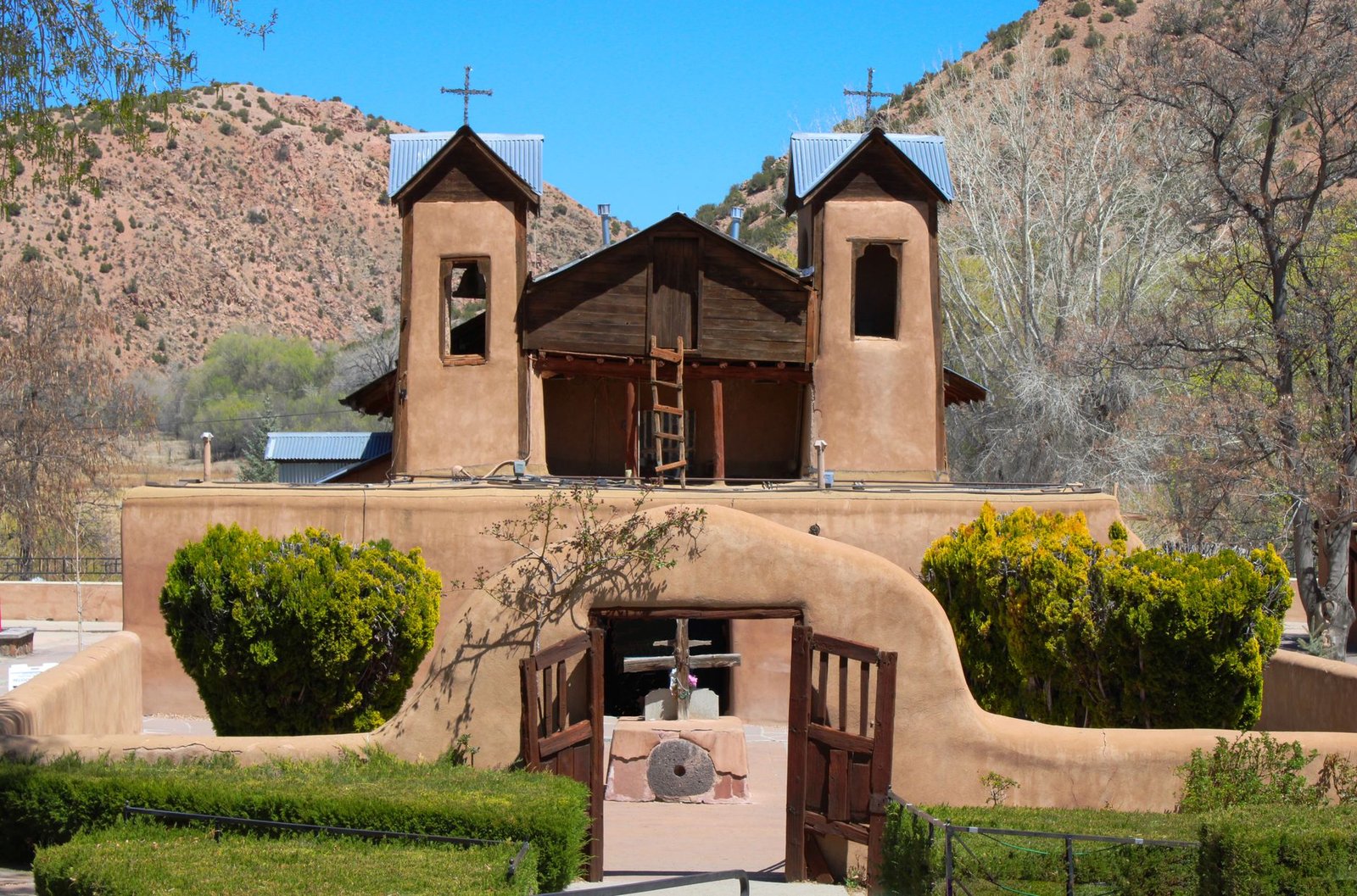
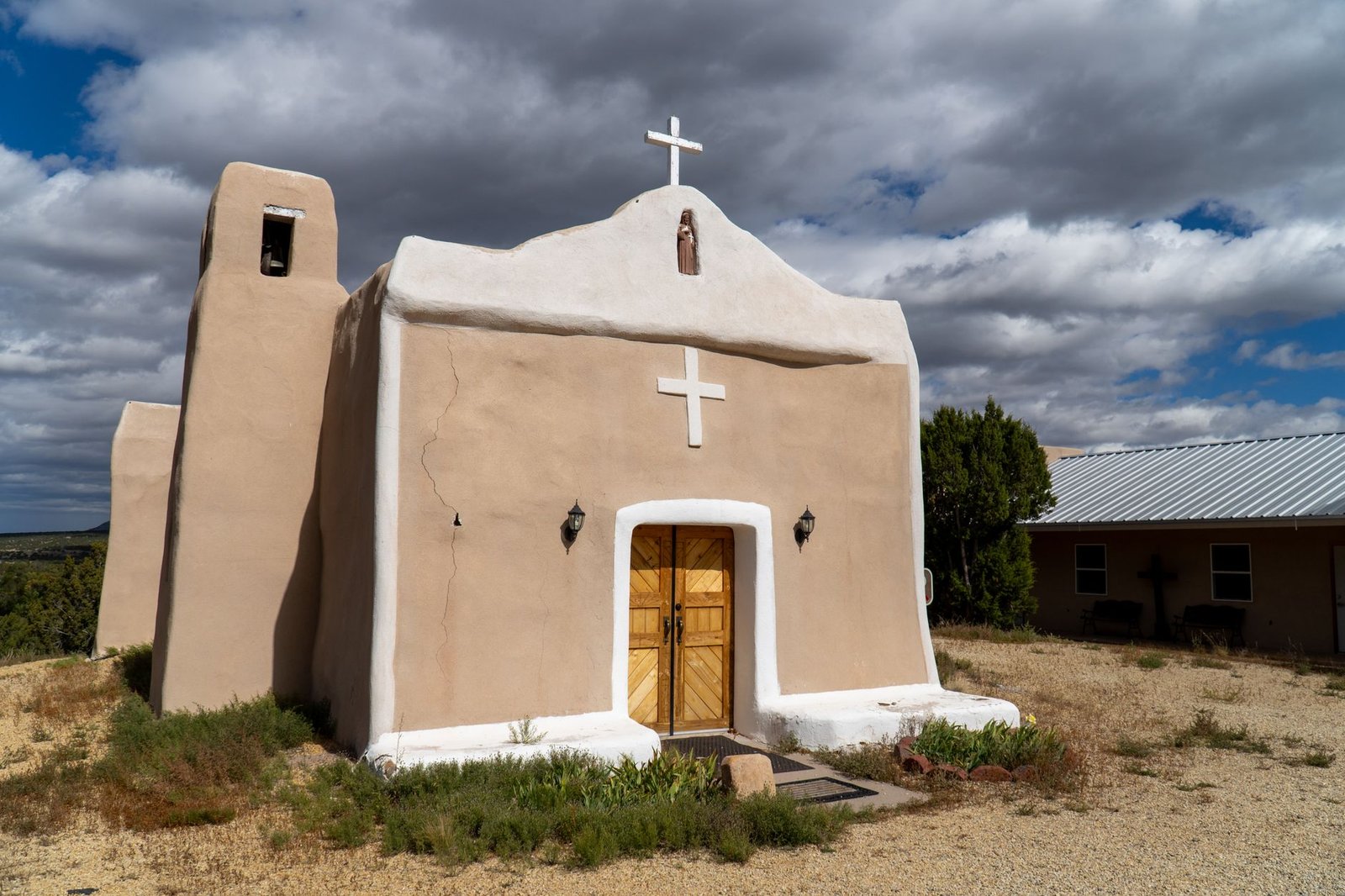
Closely bound to acequia water culture is the traditional architectural conservation of historic unbaked adobe brick buildings, mud-mortar community ditches, and historic mission churches. Historic adobe bricks are composed of native clay, sand, silt, and chopped straw cured in the desert sun. For centuries, these structures were protected from rain erosion by regular annual applications of traditional mud plaster (’embarro’) or lime wash applied by hand.
During the mid-20th century, well-meaning modern contractors committed disastrous conservation blunders by coating historic adobe buildings with rigid, impermeable Portland cement stucco or synthetic elastomeric paint. The cement stucco trapped moisture migrating upward from the damp ground inside the soft adobe bricks; unable to evaporate, the trapped water dissolved the mud bricks into liquid mud inside the hard stucco shell, causing catastrophic wall collapses.
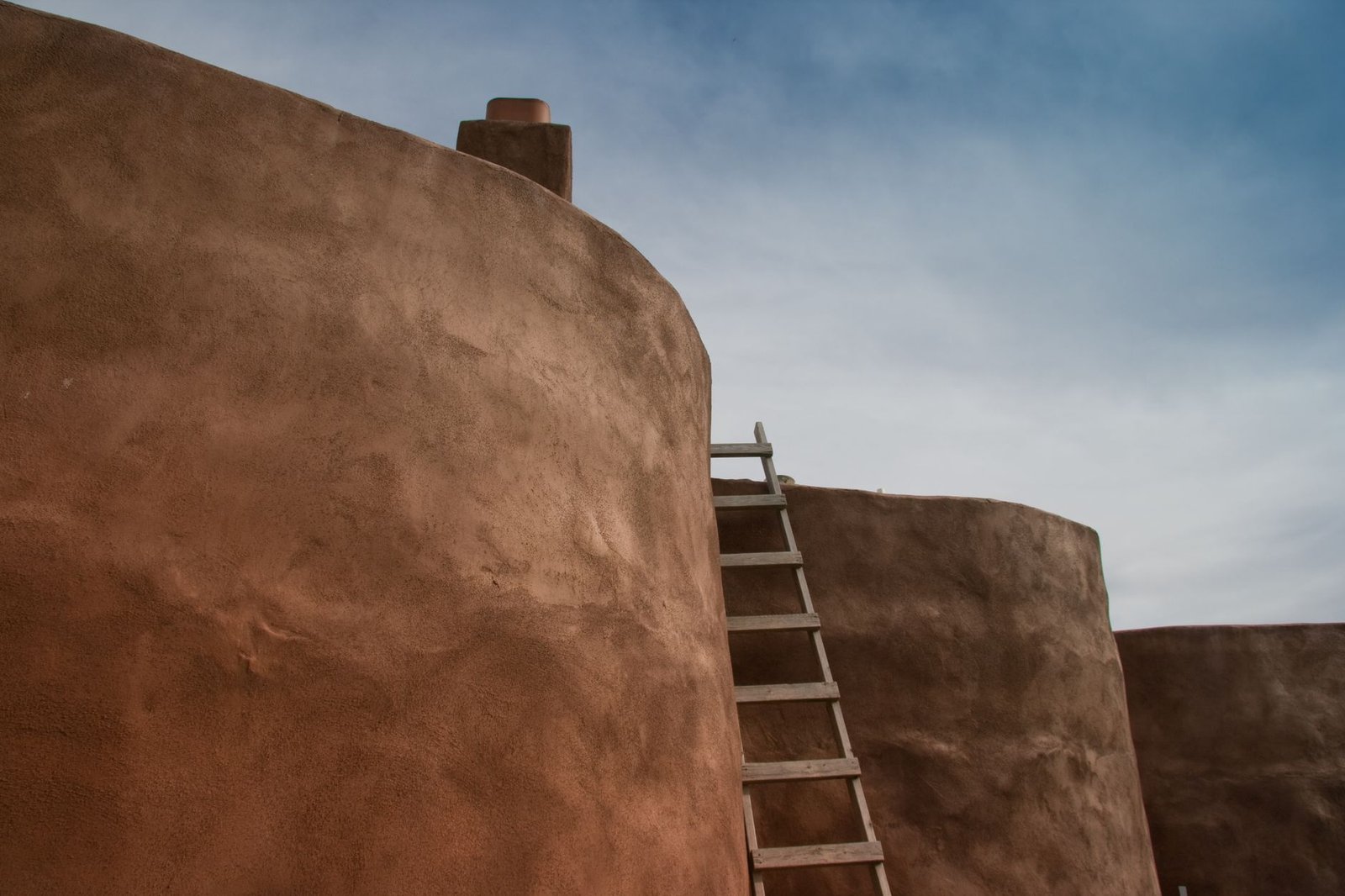
State historic preservation conservators have revived traditional materials science: requiring the complete stripping of modern cement stucco and re-plastering historic adobe structures with natural, breathable mud mortars mixed with organic binders (such as prickly pear cactus juice and horse manure) that allow moisture to evaporate harmlessly into the dry desert air.
Resistance to Water Speculation, Municipal Transfers, and Land Alienation
The primary existential threat confronting historic acequias is urban water speculation. As booming Sun Belt metropolitan cities and industrial semiconductor plants seek new water supplies, outside investment funds attempted to purchase individual parciante water rights, intending to sever the water from the land and pipeline it hundreds of miles away to municipal taps.
In response, New Mexico enacted landmark statutes empowering acequia associations with absolute statutory veto authority over proposed water transfers out of the acequia system. If the Mayordomo and commissioners determine that a proposed water sale would impair the communal hydrologic integrity of the ditch or harm neighboring agricultural parciantes, the association can legally block the transfer.
Cultural anthropologists emphasize that acequias are not merely irrigation canals; they are living communal institutions that preserve cultural diversity, foster food sovereignty through heirloom crops (such as Chimayo red chili and blue corn), and sustain ecological biodiversity along desert riparian ribbons.
Official Public Records and Statutory Citations
The documentary evidence and administrative filings referenced in this investigation are indexed under the following public record dockets:
- New Mexico Statutes Annotated, NMSA 1978, § 73-2-21 (Acequia Water Transfer Approval Powers).
- Treaty of Peace, Friendship, Limits, and Settlement with the Republic of Mexico (Treaty of Guadalupe Hidalgo), 9 Stat. 922 (1848).
- National Park Service, Preservation Brief 5: Preservation of Historic Adobe Buildings.
- New Mexico Acequia Association, Acequia Governance and Management Handbook.
Independent Oversight Outlook
The legal and cultural preservation of Southwestern acequia systems represents a profound defense of communal resource democracy in the arid West. Through codified local governance and traditional adobe stewardship across 2026 and 2027, historic acequia communities will ensure that water remains an inviolate communal blessing for future generations.
Spotted an error? Read our corrections policy and let us know.
Keep reading
High-Country Ranching Line Camps and Notched Log Cabins Restored Across Intermountain Grazing Allotments
Historic Dimensional Limestone Quarries and Stonecutter Sheds Reclaimed Under Industrial Geo-Heritage Programs

Historic Appalachian Mountain Ballad Collections and Bluegrass Acetate Discs Preserved Under National Audio Heritage Standards