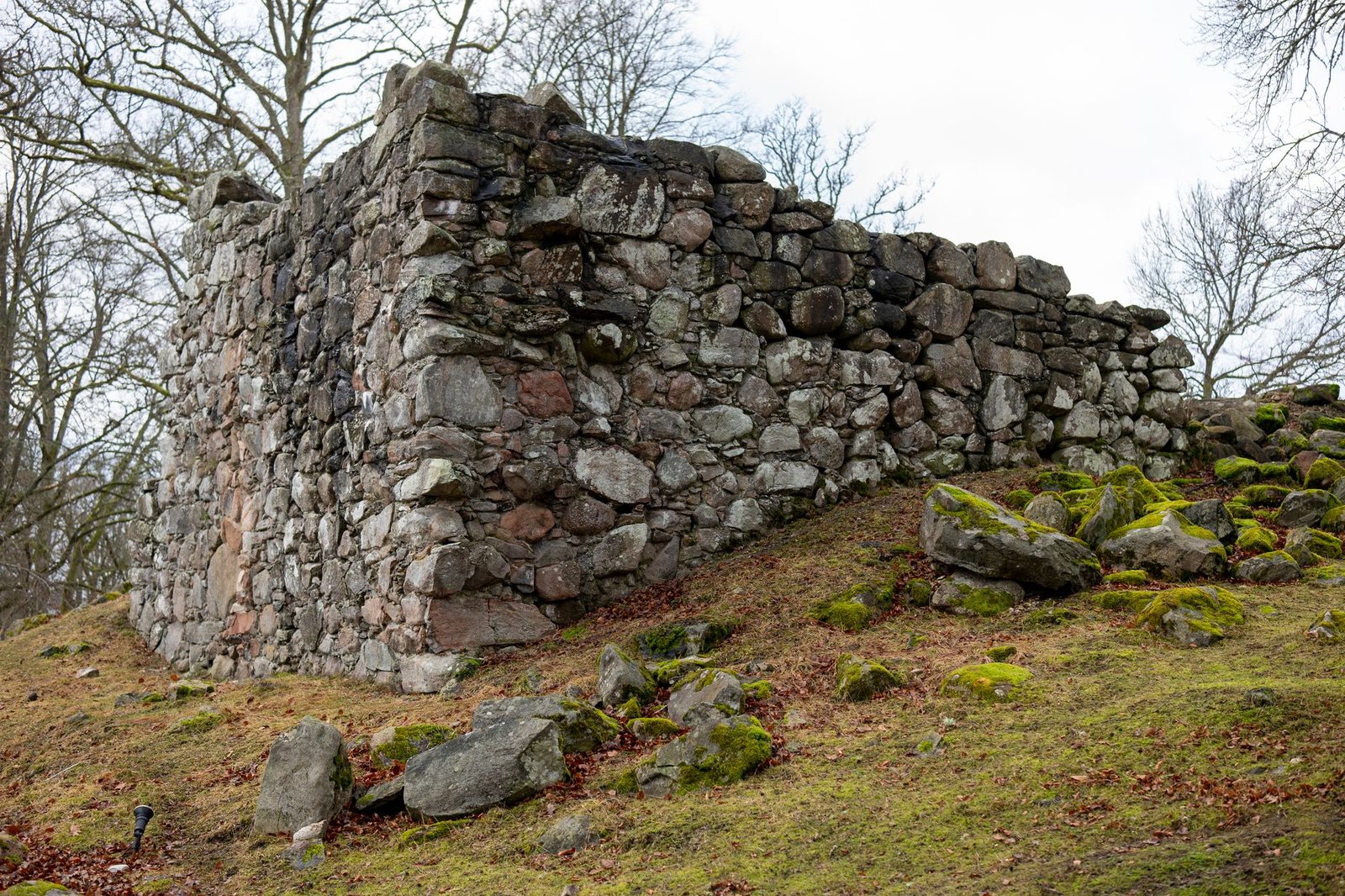
BIRMINGHAM – State historic preservation offices and industrial archaeologists across the Hanging Rock and Birmingham iron districts have completed precision stabilization projects on towering 19th-century cold-blast charcoal iron furnace stone stacks, utilizing breathable hydraulic lime grouting and non-destructive laser scanning to safeguard America’s early metallurgical heritage.
Statutory Framework and Regulatory Context
- Statutory Factor: National Historic Preservation Act (54 U.S.C. 300101 et seq.) Section 106 compliance reviews.
- Statutory Factor: Secretary of the Interior’s Standards for the Treatment of Historic Properties (36 CFR Part 68).
- Statutory Factor: Historic American Engineering Record (HAER) documentation and architectural measured drawings.
- Statutory Factor: State Department of Archives and History historic landmark preservation easement covenants.
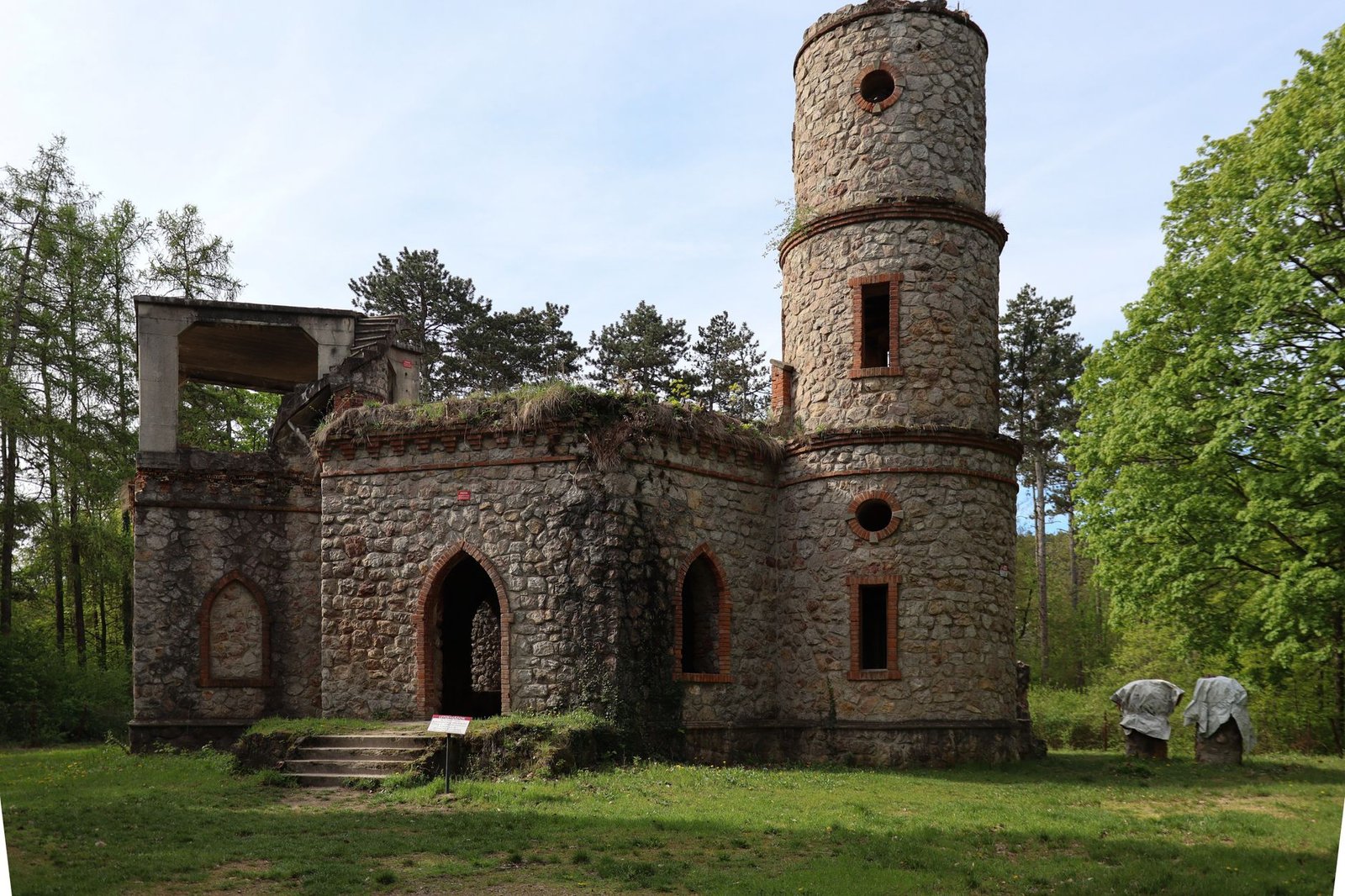
The Industrial Architecture of Charcoal Blast Furnaces and Structural Spalling
During the antebellum and early industrial eras, before the advent of massive fossil-fueled blast furnaces, American iron production was anchored in rural charcoal iron plantations. Massive truncated-pyramid stone furnace stacks—rising 35 to 50 feet in height—were constructed from hand-chiseled native sandstone or granite ashlar blocks, enclosing an inner refractory hearth and bosh lined with heat-resistant silica firebrick or mica schist.
Water-powered bellows or steam-driven blowing tubs forced blasts of cold atmospheric air into the base of the stack, smelting local bog iron or hematite ores fueled by thousands of bushels of hardwood charcoal harvested from surrounding Appalachian forests. However, following the abandonment of charcoal iron operations in the late 19th century, furnace stacks were exposed to over a century of unmitigated weathering.
Rainwater infiltrated unroofed top openings, washing out interior rubble fill, while freeze-thaw cycles expanded water in joint crevices, pushing outer ashlar blocks outward and causing severe structural bulging, mortar leaching, and catastrophic corner masonry collapses.
Comparative Metrics and Fiscal Impact Analysis
The following quantitative dataset summarizes verified public records, capital expenditure benchmarks, and oversight agency audit dockets across regional jurisdictions:
| Historic Iron Furnace Stack | Construction Date & Height | Masonry Construction Type | Structural Stabilization Technology | National Register Status |
|---|---|---|---|---|
| Buckeye Cold-Blast Furnace | Erected 1853 / 42 Feet High | Dry-Stacked Sandstone Ashlar | Internal Helical Stainless Ties | Listed National Register 1976 |
| Tannehill Iron Works No. 1 | Erected 1859 / 38 Feet High | Dressed Sandstone Hearth Stack | Breathable Lime Grout Infill | State Historic Park Monument |
| Hanging Rock Charcoal Stack | Erected 1844 / 45 Feet High | Granite & Firebrick Inner Liner | Laser Micro-Drift Monitoring | HAER Documented Landmark |
| Cumberland Gap Iron Stack | Erected 1862 / 35 Feet High | Chiseled Limestone Block Masonry | Carbon-Fiber Structural Wrap | National Historic Site Record |

Archaeo-Metallurgical Excavation and Breathable Natural Hydraulic Lime
Historic masonry conservators strictly avoid Portland cement mortars when restoring 19th-century stone structures. Portland cement is too hard, impermeable, and brittle: it traps moisture inside porous sandstone blocks, forcing water through the stone face and accelerating destructive sub-surface spalling and catastrophic stone disintegration within a single decade.
Conservation teams utilize breathable Natural Hydraulic Lime (NHL 2 and NHL 3.5) mortars formulated to match historical 19th-century chemical compositions. Conservators inject low-pressure fluid lime grout deep into internal masonry voids, filling cavities created by washed-out clay without creating impermeable moisture barriers. Loose outer facing stones are pinned to the inner core utilizing hidden, high-tensile austenitic stainless steel helical tie bars anchored with mineral grouts.
Archaeologists simultaneously conduct controlled excavation around the casting floor, recovering historic slag glass fragments, cast-iron pig molds, and remnants of wooden waterwheel races that are cataloged into state museum research archives.

Terrestrial LiDAR Profiling and Cultural Heritage Tourism
To detect microscopic structural movements over time, conservation teams deploy terrestrial LiDAR laser scanners and high-resolution photogrammetry drones, capturing millimeter-accurate 3D point cloud models of each furnace stack. Automated software compares annual scans, detecting structural displacements as small as one millimeter and alerting conservators to structural settlement long before visible cracks appear.
Conserved iron furnace complexes form the centerpiece of regional heritage tourism trails and state historical parks. Interpretive walking trails, restored charcoal kilns, and educational signage explain the harsh living conditions of antebellum ironworkers, enslaved charcoal colliers, and foundrymen who labored in the wilderness foundries that supplied iron for early American railways and bridges.
State historic preservation officers emphasize that conserving these rugged stone monuments honors the working-class labor roots of American industrial civilization, preserving tangible monuments of early metallurgical ingenuity for future generations.
Official Public Records and Statutory Citations
The documentary evidence and administrative filings referenced in this investigation are indexed under the following public record dockets:
- National Historic Preservation Act, 54 U.S.C. 300101 et seq.
- National Park Service, The Secretary of the Interior’s Standards for the Treatment of Historic Properties with Guidelines for Preserving, Rehabilitating, Restoring & Reconstructing Historic Buildings.
- Historic American Buildings Survey/Historic American Engineering Record/Historic American Landscapes Survey (HABS/HAER/HALS), Library of Congress Collections.
- Alabama Historical Commission, Administrative Code Chapter 460-X-9 (Historic Preservation Grant Regulations).
Independent Oversight Outlook
The preservation of 19th-century cold-blast iron furnace ruins represents an inspiring triumph of industrial archaeological conservation. Through meticulous lime-grout stabilization and terrestrial LiDAR monitoring across 2026 and 2027, these monumental stone sentinels will stand securely in the Appalachian forest, educating Americans on the foundational origins of industrial power.
Spotted an error? Read our corrections policy and let us know.

Keep reading
High-Country Ranching Line Camps and Notched Log Cabins Restored Across Intermountain Grazing Allotments
Historic Dimensional Limestone Quarries and Stonecutter Sheds Reclaimed Under Industrial Geo-Heritage Programs

Historic Appalachian Mountain Ballad Collections and Bluegrass Acetate Discs Preserved Under National Audio Heritage Standards