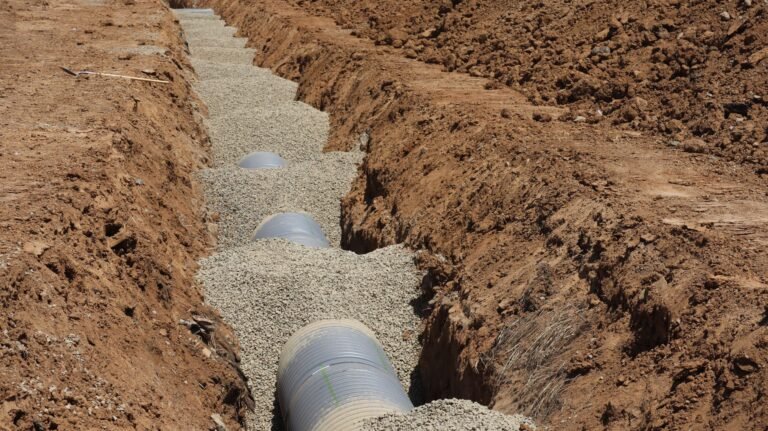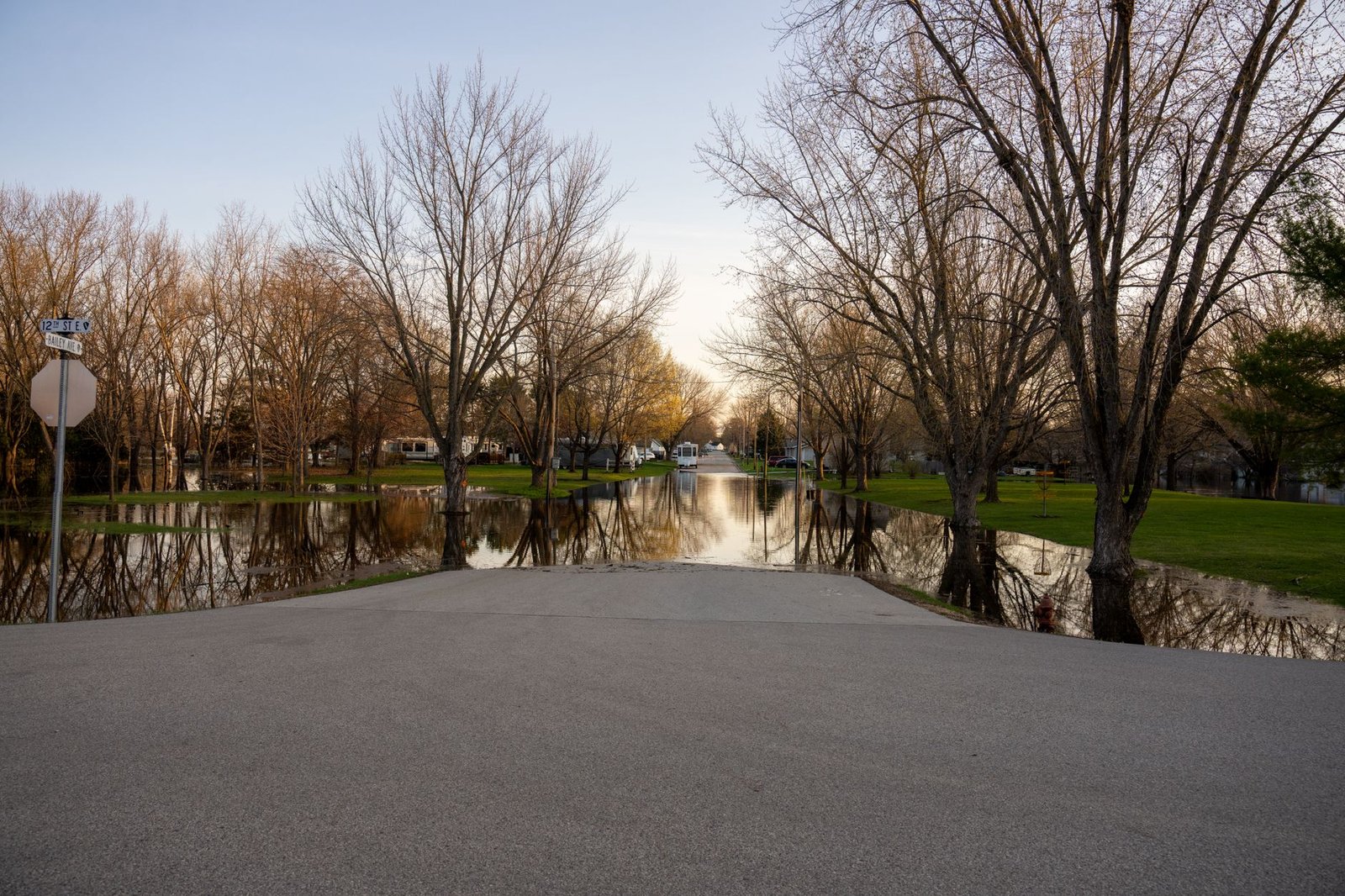
HOUSTON – County flood control districts and the Federal Emergency Management Agency (FEMA) have accelerated voluntary residential property acquisition programs under the Hazard Mitigation Assistance (HMA) framework, demolishing flood-prone homes in chronic repetitive-loss floodways and placing permanent open-space conservation deed restrictions on the reclaimed land.
Statutory Framework and Regulatory Context
- Statutory Factor: Robert T. Stafford Disaster Relief and Emergency Assistance Act (42 U.S.C. 5170c) Hazard Mitigation Grant Program.
- Statutory Factor: National Flood Insurance Reform Act (42 U.S.C. 4104c) Flood Mitigation Assistance program.
- Statutory Factor: Code of Federal Regulations, 44 CFR Part 80 Property Acquisition and Relocation for Open Space.
- Statutory Factor: Municipal Floodplain Management Ordinances and Community Rating System (CRS) standards.

The Structural Trap of Repetitive Loss Properties and National Flood Insurance Debt
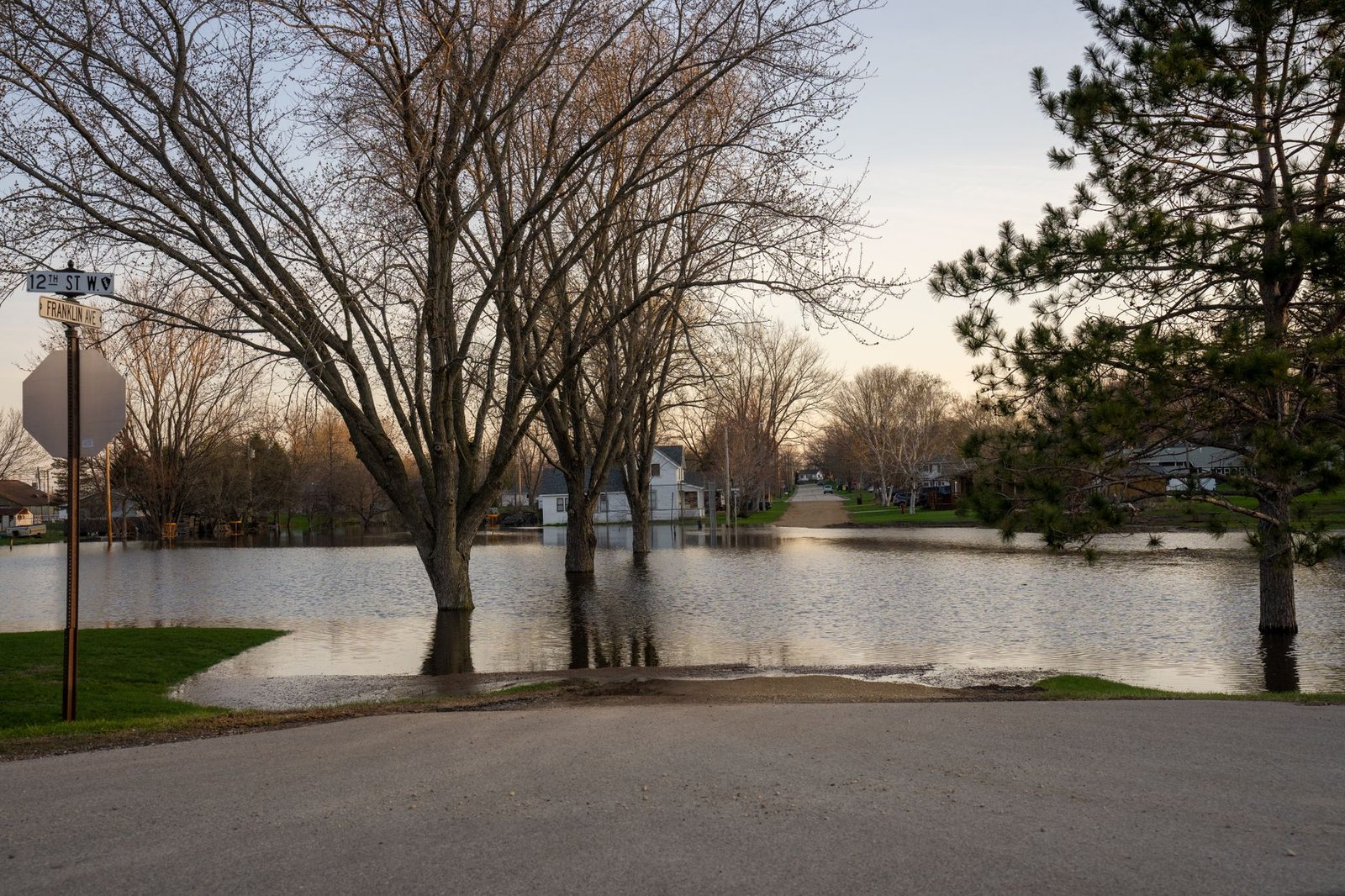
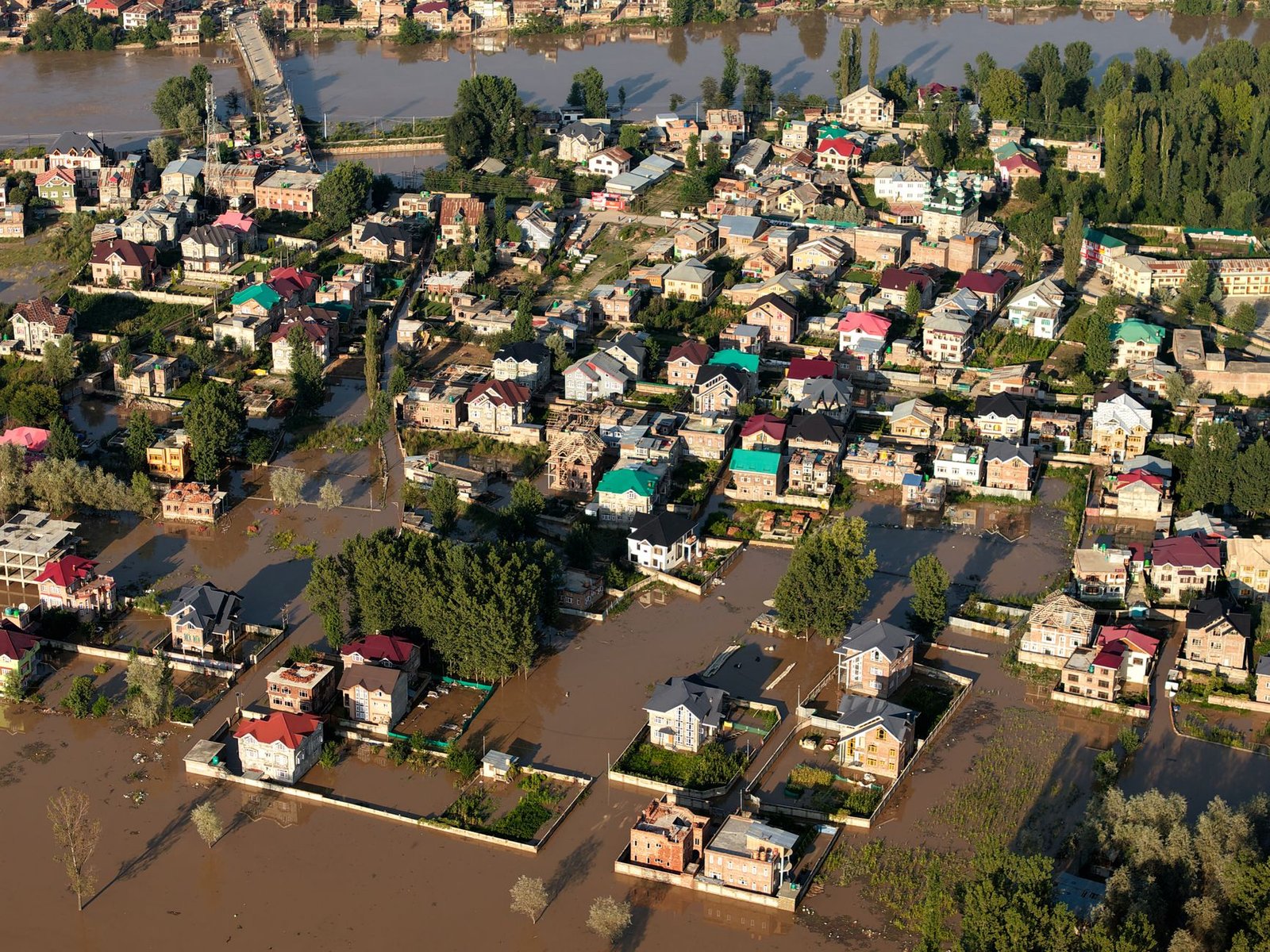
For over half a century, the National Flood Insurance Program (NFIP) was caught in a financially unsustainable and psychologically devastating cycle: when residential subdivisions constructed in low-lying river floodplains flooded during major hurricanes or cloudburst storms, federal flood insurance paid to rebuild the homes in the identical flood-prone locations, only for the homes to flood again a few years later. Across the United States, over 100,000 ‘Severe Repetitive Loss’ (SRL) properties—representing just one percent of all insured properties—accounted for over 30 percent of all flood insurance claims, driving the NFIP tens of billions of dollars into federal debt.
For homeowners, living in chronic repetitive-loss zones was an emotional nightmare: families evacuated into emergency shelters, spent months tearing out toxic black mold and flooded drywall, and faced soaring insurance premiums while watching their property equity evaporate because no private buyer would purchase a repeatedly flooded house.
FEMA Hazard Mitigation Assistance buyouts break this cycle by offering homeowners a dignified, voluntary exit ramp: purchasing flood-prone homes at full pre-flood fair market value and permanently removing human habitation from the floodway.
Comparative Metrics and Fiscal Impact Analysis
The following quantitative dataset summarizes verified public records, capital expenditure benchmarks, and oversight agency audit dockets across regional jurisdictions:
| Flood Control District | Acquired Repetitive Loss Parcels | Reclaimed Floodplain Acreage | Permanent Open Space Conversion | FEMA Hazard Grant Funding |
|---|---|---|---|---|
| Harris County Flood Control Dist | 1,450 Repetitive Homes | 820 Reclaimed Acres | Bayou Greenway Park & Retention | $165 Million Grant |
| Charlotte-Mecklenburg Storm Water | 680 High-Risk Structures | 410 Restored Acres | Urban Wetland Riparian Greenway | $78.5 Million Allocated |
| Cedar Rapids Flood Mitigation | 520 Riverfront Parcels | 310 Reconnected Acres | Cedar River Public Recreation Basin | $62.0 Million Invested |
| Somerset County Floodplain Hub | 440 Inland Valley Homes | 260 Wetland Buffer Acres | Passive Ecological Flood Corridor | $49.5 Million Approved |
The Inviolate Open-Space Deed Restriction Under 44 CFR Part 80
The defining legal cornerstone of federal buyout programs is the inviolate open-space covenant enforced under 44 CFR Part 80. When a local municipality or flood control district accepts federal funds to acquire a flood-damaged property, the local government must execute and record a permanent, legally binding conservation deed restriction in county land records.
The deed restriction legally runs with the land in perpetuity, mandating that the property be dedicated exclusively to open-space, public recreation, or natural wetland uses. The local government is strictly prohibited from ever selling the land to private developers, constructing new residential or commercial buildings, or erecting permanent walled structures.
The purchased homes are completely demolished, concrete foundation slabs and asphalt driveways are removed, water and sewer connections are permanently capped at the street main, and the parcel is re-graded and seeded with native deep-root wetland vegetation to restore the natural hydrological absorption capacity of the floodplain.
Community Rating System Insurance Discounts and Bayou Greenways
Consolidating repetitive buyouts into contiguous multi-acre tracts transforms fragmented suburban floodways into connected linear urban greenway parks, walking trails, and flood retention basins. During extreme storm events, swollen rivers safely overflow into these wide, vegetated greenways, which store billions of gallons of floodwaters and dissipate peak flood crests without damaging a single human home.
Participating in proactive buyout programs delivers significant economic benefits to the entire community through FEMA’s Community Rating System (CRS). Cities and counties that aggressively clear floodplains and preserve open greenways achieve high CRS classifications (such as Class 3 or Class 4), which automatically grants all residents and businesses in the municipality up to a 35 percent discount on their annual federal flood insurance premiums.
Emergency management directors emphasize that floodplain buyouts represent the most cost-effective and compassionate disaster mitigation investment available, permanently eliminating flood risk, saving first responder lives, and restoring natural riverine ecology.
Official Public Records and Statutory Citations
The documentary evidence and administrative filings referenced in this investigation are indexed under the following public record dockets:
- Robert T. Stafford Disaster Relief and Emergency Assistance Act, 42 U.S.C. 5170c (Hazard Mitigation).
- Federal Emergency Management Agency, 44 CFR Part 80 (Property Acquisition and Relocation for Open Space).
- National Flood Insurance Act of 1968, 42 U.S.C. 4001 et seq.
- FEMA Hazard Mitigation Assistance Guidance (Part VIII: Property Acquisition and Demolition Projects).
Independent Oversight Outlook
The transformation of repetitive-loss floodplains into permanent natural greenways represents a visionary, durable evolution in American disaster resilience. Through continued federal-local buyout partnerships across 2026 and 2027, vulnerable communities will return flood-prone lands to nature, ending the cycle of flood destruction forever.
Spotted an error? Read our corrections policy and let us know.

Keep reading

Urban Stream Daylighting Projects Remove Concrete Culverts to Restore Natural Fluvial Geomorphology

Vadose Zone Suction Lysimeters and Groundwater Protection Plans Enacted for Confined Animal Feeding Operations

Real-Time Optical Gas Imaging and FTIR Fence-Line Air Toxics Monitoring Mandated for Industrial Refineries