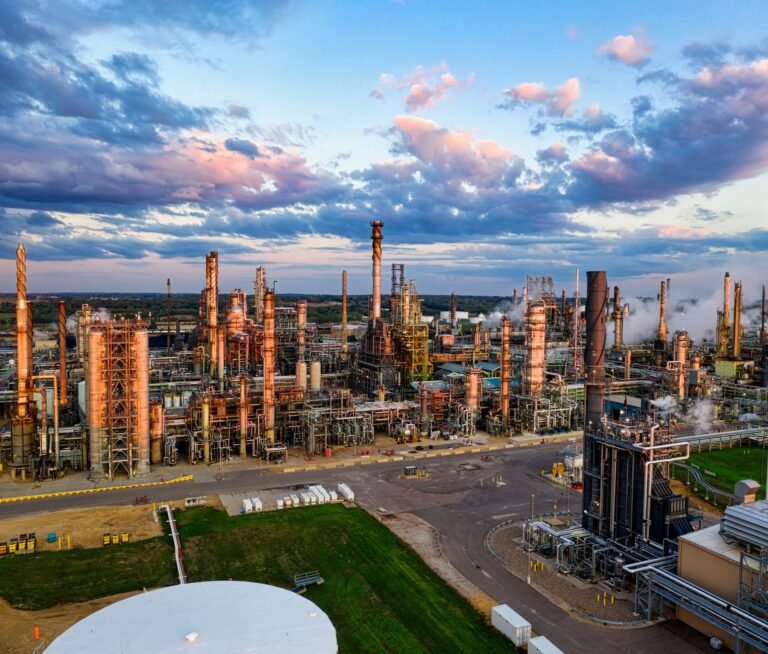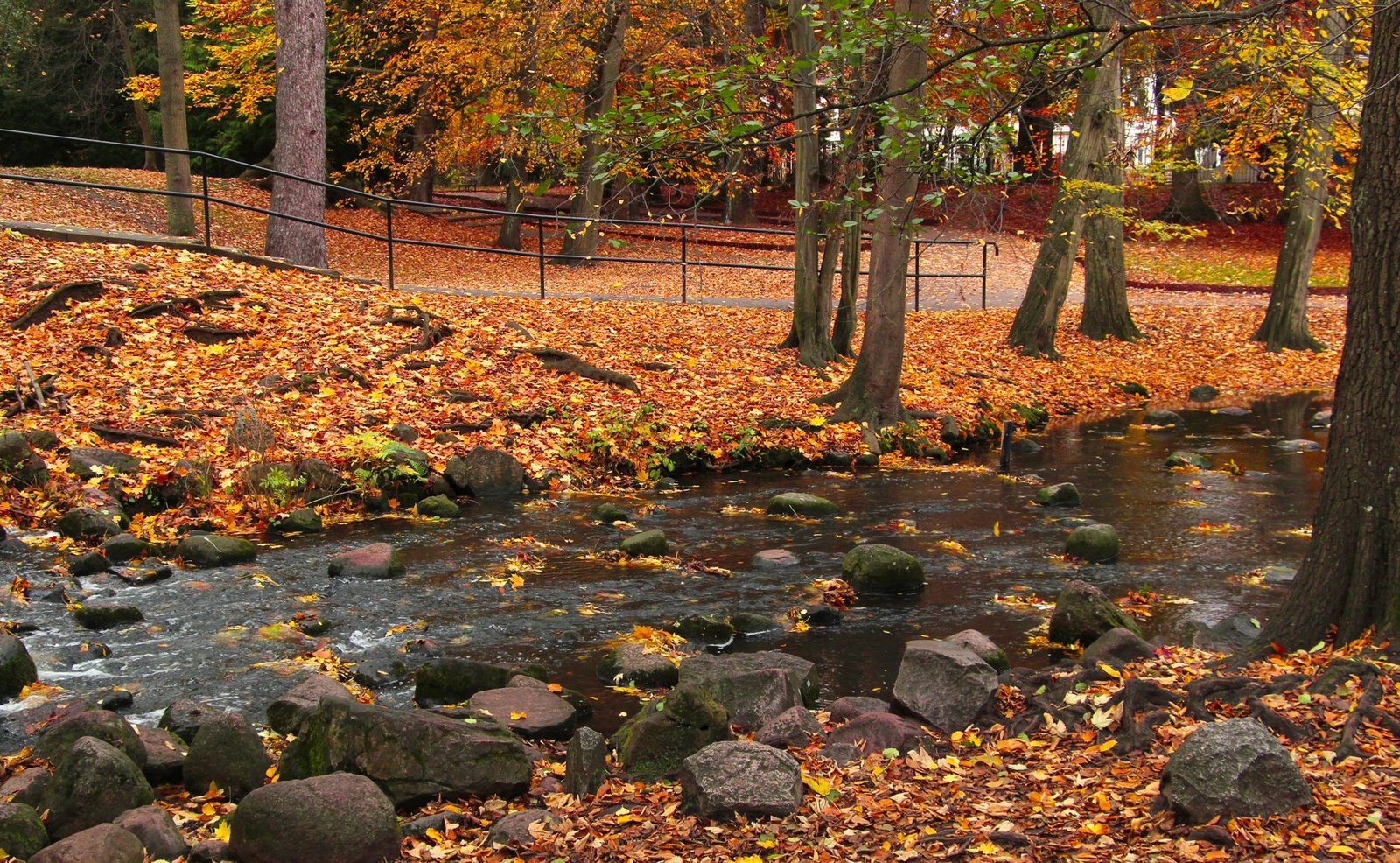
PITTSBURGH – State environmental protection departments across the Appalachian Coal Basin have completed multi-million-dollar construction projects on passive acid mine drainage (AMD) remediation complexes, deploying anoxic limestone drains and engineered sulfate-reducing wetlands to restore hundreds of miles of biologically dead, iron-stained streams without perpetual chemical dosing costs.
Statutory Framework and Regulatory Context
- Statutory Factor: Surface Mining Control and Reclamation Act (SMCRA, 30 U.S.C. 1231 et seq.) Abandoned Mine Land program.
- Statutory Factor: Clean Water Act Section 319 Nonpoint Source Management Program grants.
- Statutory Factor: Appalachian Clean Streams Initiative intergovernmental restoration guidelines.
- Statutory Factor: State Department of Environmental Protection mine drainage abatement performance standards.
The Geochemistry of Pyrite Oxidation and Acid Generation
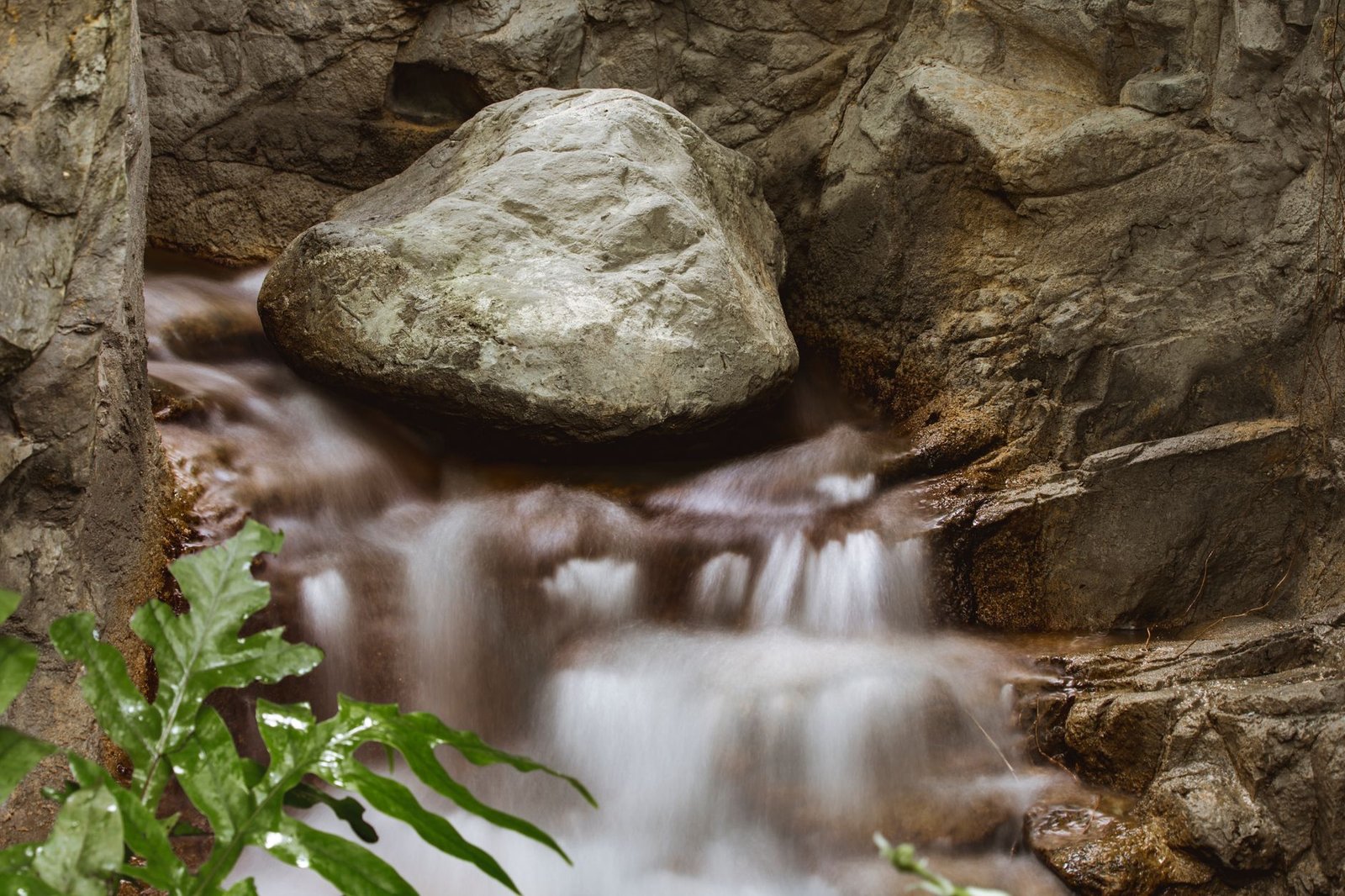
For over a century, extensive underground and surface coal mining across the Appalachian Basin exposed buried iron disulfide minerals (pyrite, FeS2) to atmospheric oxygen and infiltrating groundwater. In the presence of oxidizing bacteria (such as Acidithiobacillus ferrooxidans), pyrite oxidizes into dissolved ferrous iron, sulfate, and massive concentrations of hydrogen ions—generating catastrophic volumes of sulfuric acid drainage that discharge from abandoned mine portals and deep coal seams at pH levels as low as 2.5.
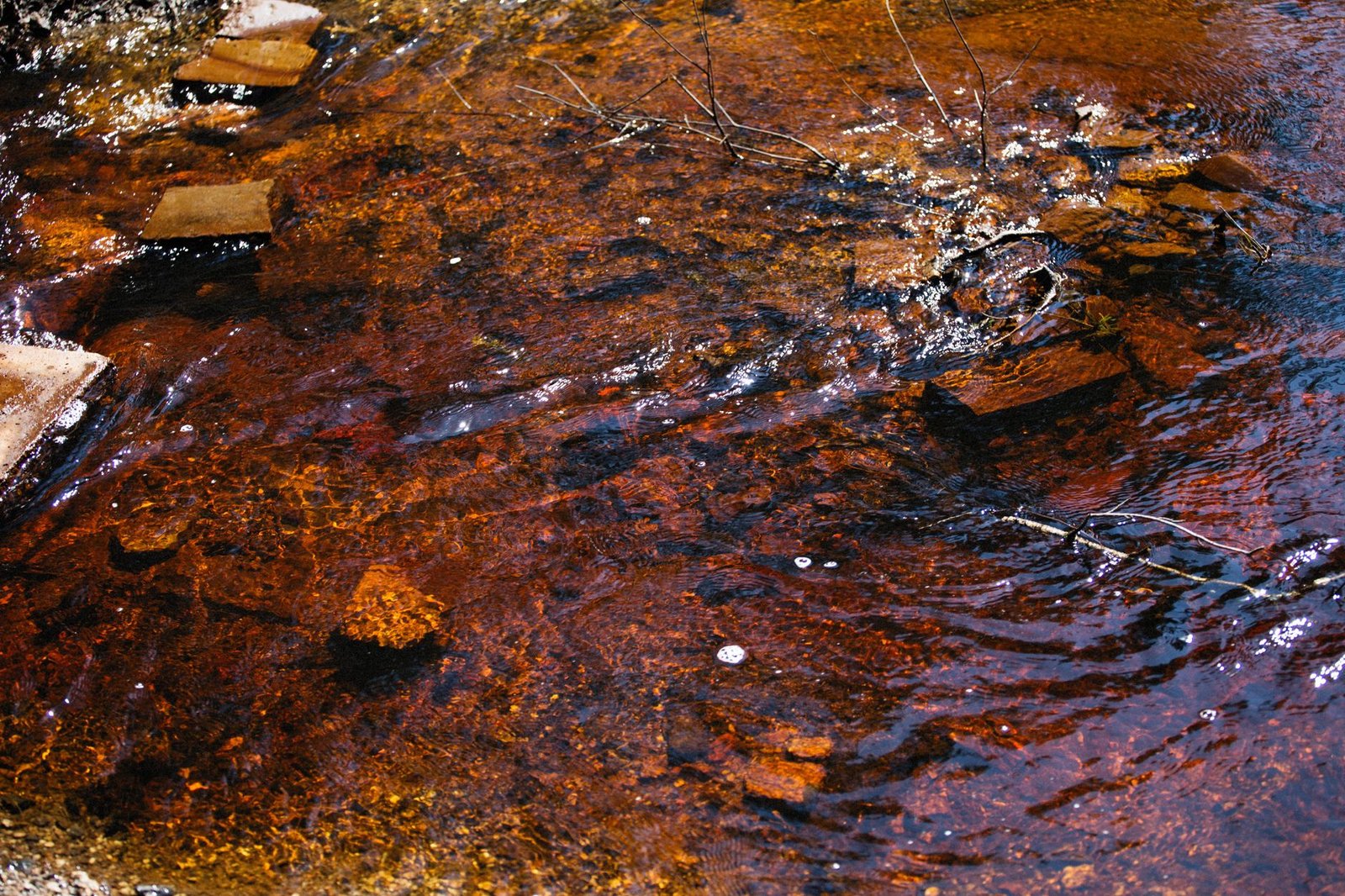
As this toxic acidic effluent discharges into mountain streams, dissolved iron and aluminum hydrolyze, precipitating out of solution as a bright orange-yellow sludge colloquially termed ‘yellow boy’ (iron oxyhydroxide). This colloidal metal precipitate blankets the stream gravels, smothering benthic macroinvertebrates, destroying fish spawning gravels, and rendering hundreds of miles of mountain waterways completely devoid of biological life.
While active chemical treatment—using caustic soda or hydrated lime—can neutralize acidity, it requires expensive motorized mechanical dosing plants, constant electricity, and perpetual chemical purchases that cost millions of dollars annually, an approach that is economically unsustainable for thousands of orphaned historical mine sites.
Comparative Metrics and Fiscal Impact Analysis
The following quantitative dataset summarizes verified public records, capital expenditure benchmarks, and oversight agency audit dockets across regional jurisdictions:
| Appalachian Watershed Project | AMD Influent pH Level | Treatment Architecture | Daily Iron & Aluminum Abatement | Stream Miles Restored |
|---|---|---|---|---|
| Blacklick Creek Restoration | pH 2.8 Acidic Mine Run | Anoxic Limestone Drain (ALD) + Wetland | 2,400 Lbs Iron Hydroxide / Day | 34 Miles Trout Fishery |
| Raccoon Creek AMD Complex | pH 3.2 High-Metal Flow | Successive Alkalinity Producing (SAPS) | 1,850 Lbs Heavy Metals / Day | 28 Miles Stream Recovered |
| Cheat River Basin Drainage Hub | pH 3.0 Toxic Discharge | Passive Limestone Sump + Bioreactor | 3,100 Lbs Acid Salts Neutralized | 42 Miles Native Fishery |
| Monday Creek Coalfield Loop | pH 3.5 Acidic Runoff | Manganese Oxidation Wetland Beds | 1,200 Lbs Metal Oxides / Day | 22 Miles Biological Recovery |
Anoxic Limestone Drains and Successive Alkalinity Producing Systems
Modern watershed reclamation relies on self-sustaining, passive biochemical engineering systems that operate entirely by gravity and natural chemical thermodynamics without external electrical power or mechanical moving parts. The foundational component is the Anoxic Limestone Drain (ALD)—a subterranean trench packed with high-calcium limestone gravel (exceeding 90 percent calcium carbonate) sealed beneath an impermeable plastic membrane and covered by several feet of compacted clay soil.
By keeping the mine water completely anoxic (devoid of dissolved oxygen) as it flows through the limestone bed, the calcium carbonate dissolves and adds massive net alkalinity (bicarbonate ions) to the water without causing iron to oxidize and precipitate inside the limestone pores, which would otherwise ‘armor’ the rock and halt neutralization. Once alkalinity is dissolved, the water discharges into an open settling pond where atmospheric oxygen oxidizes the dissolved iron, precipitating out the metal sludge in controlled holding basins.
Where mine water contains high dissolved oxygen or aluminum, engineers construct Successive Alkalinity Producing Systems (SAPS), which pass water downward through a deep layer of organic mushroom compost underlain by limestone, consuming oxygen and generating alkalinity before metal precipitation occurs.
Sulfate-Reducing Microbial Wetlands and Native Fishery Recovery
Following primary neutralization, effluent flows through constructed aerobic and anaerobic wetland cells planted with native cattails (Typha latifolia) and bulrushes. In the anaerobic substrate layer, specialized sulfate-reducing bacteria (Desulfovibrio) convert dissolved sulfate into hydrogen sulfide gas, which reacts with dissolved heavy metals (including zinc, nickel, and cadmium) to precipitate insoluble metal sulfides that are permanently trapped in the wetland sediment.
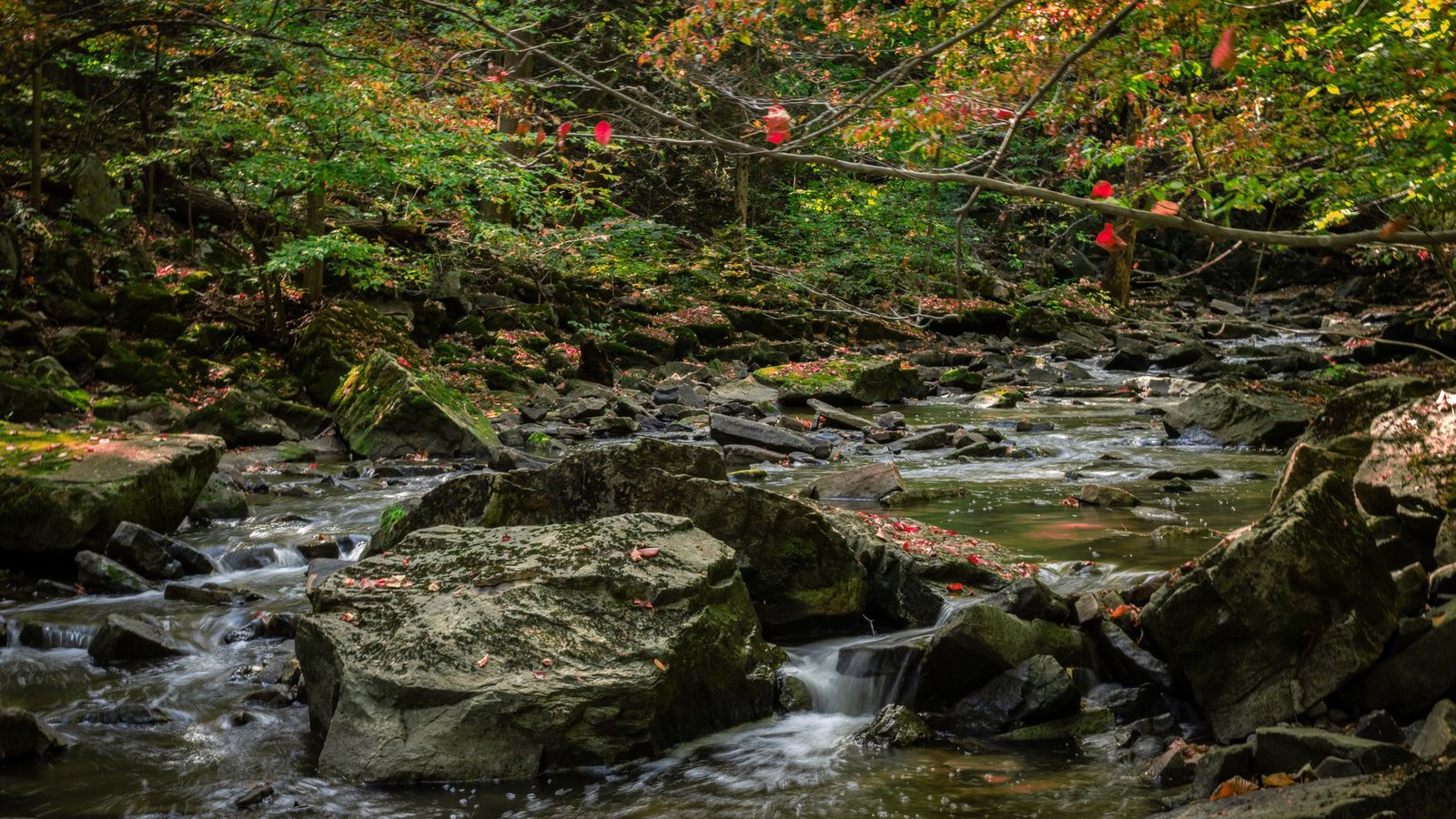
Biological monitoring conducted by state fish and wildlife commissions confirms that passive remediation achieves miraculous ecological recoveries: streams that were completely dead for over 70 years have seen water pH rise to healthy neutral baselines of 7.0 to 7.5, allowing native brook trout, mayflies, and caddisflies to naturally recolonize downstream reaches.
Watershed conservation coalitions and local communities celebrate the return of recreational fly fishing, outdoor tourism, and clean municipal water sources to historic Appalachian coalfield valleys.
Official Public Records and Statutory Citations
The documentary evidence and administrative filings referenced in this investigation are indexed under the following public record dockets:
- Surface Mining Control and Reclamation Act of 1977, 30 U.S.C. 1231 (Abandoned Mine Reclamation Fund).
- Clean Water Act, 33 U.S.C. 1329 (Nonpoint Source Management Programs).
- Pennsylvania Department of Environmental Protection, Bureau of Abandoned Mine Reclamation Technical Guidance.
- United States Department of the Interior, Office of Surface Mining Reclamation and Enforcement, Passive Treatment of Acid Mine Drainage Handbook.
Independent Oversight Outlook
The engineering perfection of passive limestone and biological wetland systems represents the ultimate healing of historical industrial coal scars. Through sustained federal Abandoned Mine Land funding across 2026 and 2027, Appalachian waterways will continue to shed their orange stains and reclaim their natural pristine heritage.
Spotted an error? Read our corrections policy and let us know.
Keep reading
Urban Stream Daylighting Projects Remove Concrete Culverts to Restore Natural Fluvial Geomorphology
FEMA Hazard Mitigation Assistance Buyouts Transform Repetitive Loss Floodplains into Natural Greenways

Vadose Zone Suction Lysimeters and Groundwater Protection Plans Enacted for Confined Animal Feeding Operations