
NASHVILLE – State departments of correction and legislative audit bureaus across the Southeast and Southwest are conducting unprecedented forensic audits of private prison operating contracts, assessing millions of dollars in contractual liquidated damages for chronic correctional officer vacancies and substandard inmate healthcare services.
Statutory Framework and Regulatory Context
- Statutory Factor: State Department of Corrections private correctional facility operating statutory authorities.
- Statutory Factor: Civil Rights of Institutionalized Persons Act (CRIPA, 42 U.S.C. 1997) federal oversight dockets.
- Statutory Factor: American Correctional Association (ACA) mandatory facility accreditation and staffing standards.
- Statutory Factor: Eighth Amendment prohibition against cruel and unusual punishment regarding medical care.
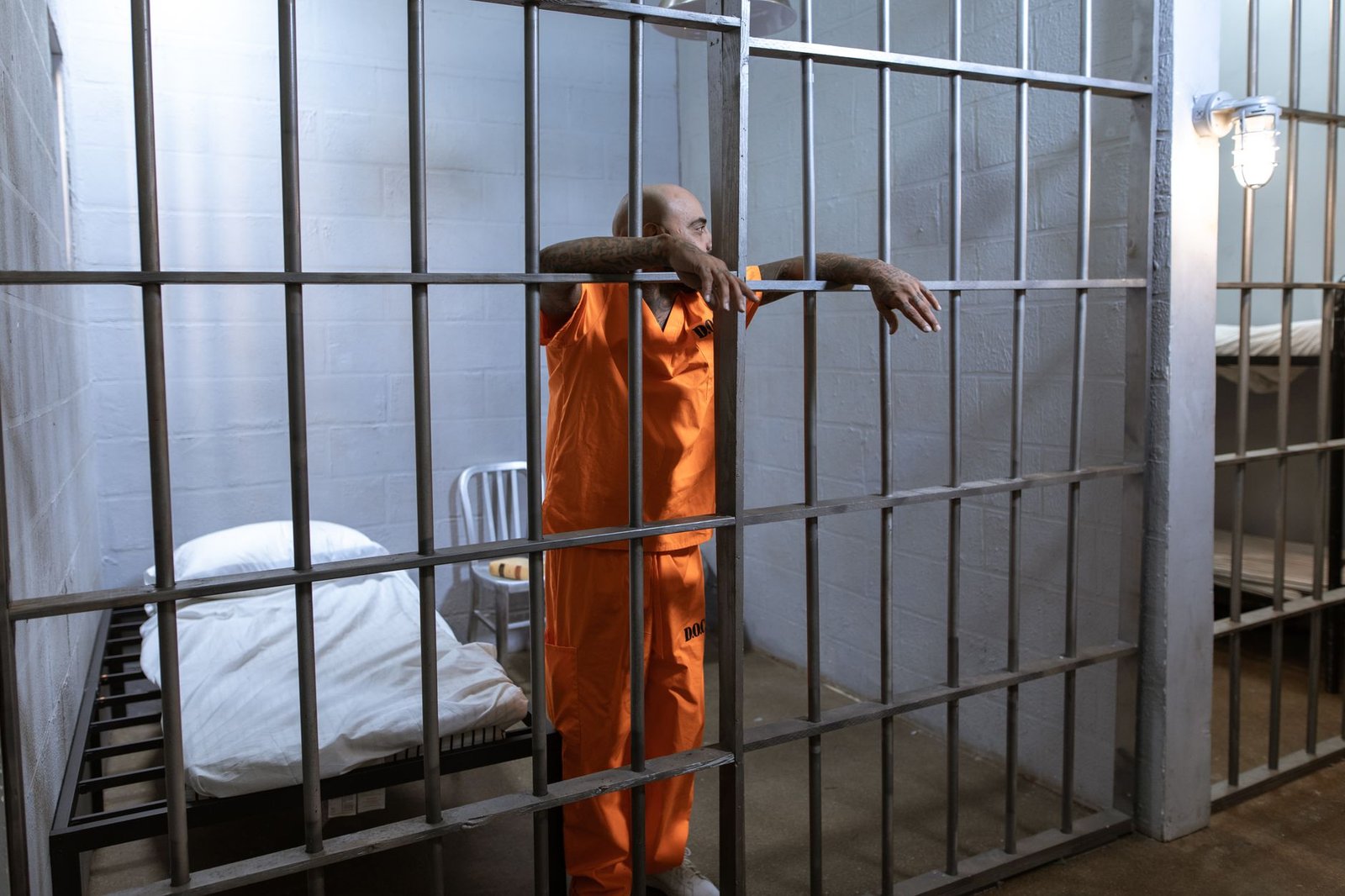
Ghost Staffing and the Economics of Private Correctional Operations
When state governments privatized correctional facilities during the 1990s, corporate operators promised significant cost savings through private sector operational efficiencies. However, legislative audit bureau investigations have exposed that private prison profit margins are overwhelmingly generated by depressing correctional officer wages and systematically operating facilities with severe staffing deficits—a practice known in correctional oversight as ‘ghost staffing.’
State contracts explicitly mandate minimum staffing posts for critical perimeter watchtowers, housing unit observation bubbles, and armed prisoner transport details to maintain physical institutional safety. Forensic audits revealed that private operators routinely billed state governments for full staffing allocations while leaving up to 35 percent of mandatory officer posts unstaffed, pocketing the unspent payroll as corporate profit.
Severe staffing shortages directly compromise physical safety: understaffed housing units result in rampant inmate violence, unchecked contraband narcotics smuggling, and dangerous lockdowns that cancel rehabilitative vocational programs and family visitation hours.
Comparative Metrics and Fiscal Impact Analysis
The following quantitative dataset summarizes verified public records, capital expenditure benchmarks, and oversight agency audit dockets across regional jurisdictions:
| Private Prison Operator | Contracted Facilities | Average Vacancy Rate | Assessed Liquidated Damages | Audit Remediation Status |
|---|---|---|---|---|
| CoreCivic State Contracts | 8 Major Facilities | 28.5% Shift Vacancy | $14.8 Million Assessed | Enhanced State Monitor Imposed |
| The GEO Group Operations | 6 Regional Prisons | 24.2% Post Shortfall | $9.6 Million Clawback | Mandatory Wage Escalation Order |
| Management & Training Corp | 4 State Units | 31.0% Guard Deficit | $7.2 Million Penalty | Under Default Cure Notice |
| LaSalle Corrections Group | 5 County Facilities | 22.8% Healthcare Gap | $4.5 Million Fine | Medical Subcontractor Terminated |

Privatized Inmate Healthcare and Eighth Amendment Violations
The most severe area of contractual non-compliance involves privatized inmate healthcare services. Under the Supreme Court’s landmark ruling in Estelle v. Gamble, correctional authorities are constitutionally prohibited under the Eighth Amendment from exhibiting ‘deliberate indifference’ to the serious medical needs of incarcerated individuals.
State health department audits revealed that private medical subcontractors operating under capitated, fixed-price contracts—where corporate profits increase for every medical referral or prescription denied—routinely delayed or denied essential cancer chemotherapies, emergency hospital transfers, and psychiatric medications for severely mentally ill prisoners. Audit reports documented instances where chronic diabetic patients were denied insulin, leading to preventable amputations and emergency septic hospitalizations.
Federal district courts have intervened in multiple states, appointing independent federal receivers to oversee prison medical operations and threatening private corporate executives with civil contempt citations for ongoing constitutional violations.

State Contract Clawbacks and Transition toward State In-Sourcing
In response to devastating audit findings, state legislatures have overhauled private prison procurement statutes. New contracts incorporate strict automated per-hour liquidated damages for every vacant security post, requiring biometric fingerprint time-clock verification to verify actual officer physical presence before state invoices are approved for payment.
Furthermore, several state general assemblies have begun the orderly phase-out of private prison contracts, transitioning regional facilities back into direct state management under certified state civil service protections. State correctional administrators testify that while direct state management requires higher initial wage expenditures, public-run prisons deliver superior institutional safety, lower recidivism rates, and zero exposure to multimillion-dollar civil rights wrongful death liabilities.
Independent criminal justice institutes conclude that subjecting private correctional operators to unsparing financial and operational audits is essential to upholding constitutional standards and ensuring public safety.
Official Public Records and Statutory Citations
The documentary evidence and administrative filings referenced in this investigation are indexed under the following public record dockets:
- United States Supreme Court, Estelle v. Gamble, 429 U.S. 97 (1976).
- United States Code, Title 42, Section 1997 (Civil Rights of Institutionalized Persons Act).
- Tennessee Department of Correction, Comptroller of the Treasury Performance Audit on Private Prisons (2024-2025).
- American Correctional Association, Standards for Adult Correctional Institutions (5th Edition).
Independent Oversight Outlook
The rigorous forensic auditing of private prison contracts represents a decisive turning point in American correctional policy. As state governments enforce strict accountability standards through 2026 and 2027, the commercialization of human incarceration will face unprecedented legal, financial, and ethical scrutiny.
Spotted an error? Read our corrections policy and let us know.

Keep reading

Ephemeral Messaging and Disappearing Mobile Chats Ruled Public Records in State Executive Offices

Unclaimed Property Escheatment Audit Standards Strengthened Under Revised Uniform Act Enforcement

State Lottery Revenue Earmarking and Educational Trust Fund Ring-Fencing Audited