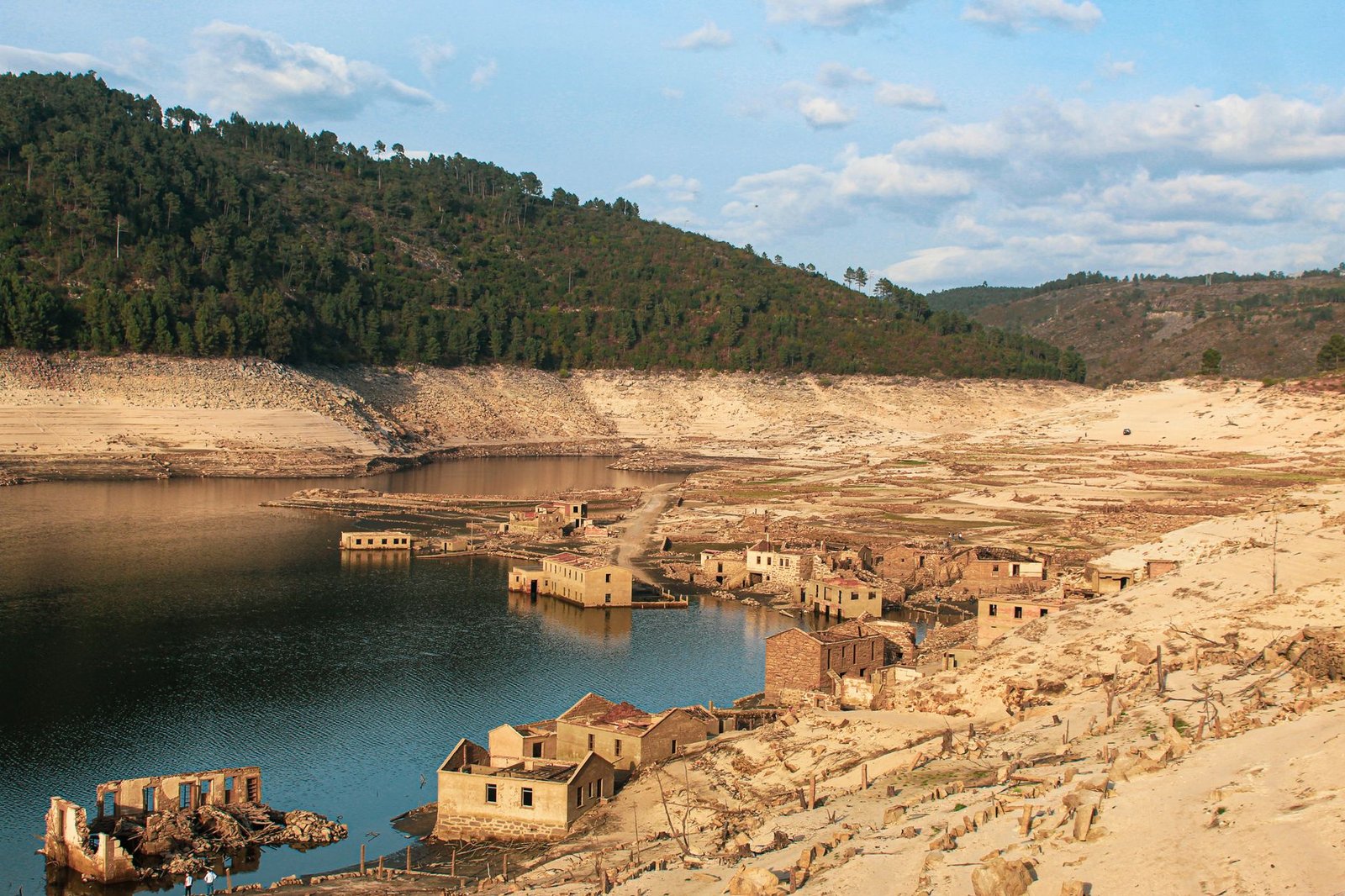
DENVER – Drying river basins across the American West and Southeast have escalated legal friction among upstream and downstream sovereign states, prompting multi-state compact disputes before the United States Supreme Court under its rare Article III original jurisdiction and testing century-old water apportionment formulas.
Statutory Framework and Regulatory Context
- Statutory Factor: United States Constitution, Article III, Section 2, Clause 2 (Original Jurisdiction Over Disputes Between States).
- Statutory Factor: Interstate Compact Clause (Article I, Section 10, Clause 3) congressional approval mandates.
- Statutory Factor: Equitable Apportionment Doctrine established under federal common law jurisprudence.
- Statutory Factor: Federal Bureau of Reclamation Colorado River and Rio Grande operating guidelines.
The Equitable Apportionment Doctrine and Special Master Fact-Finding
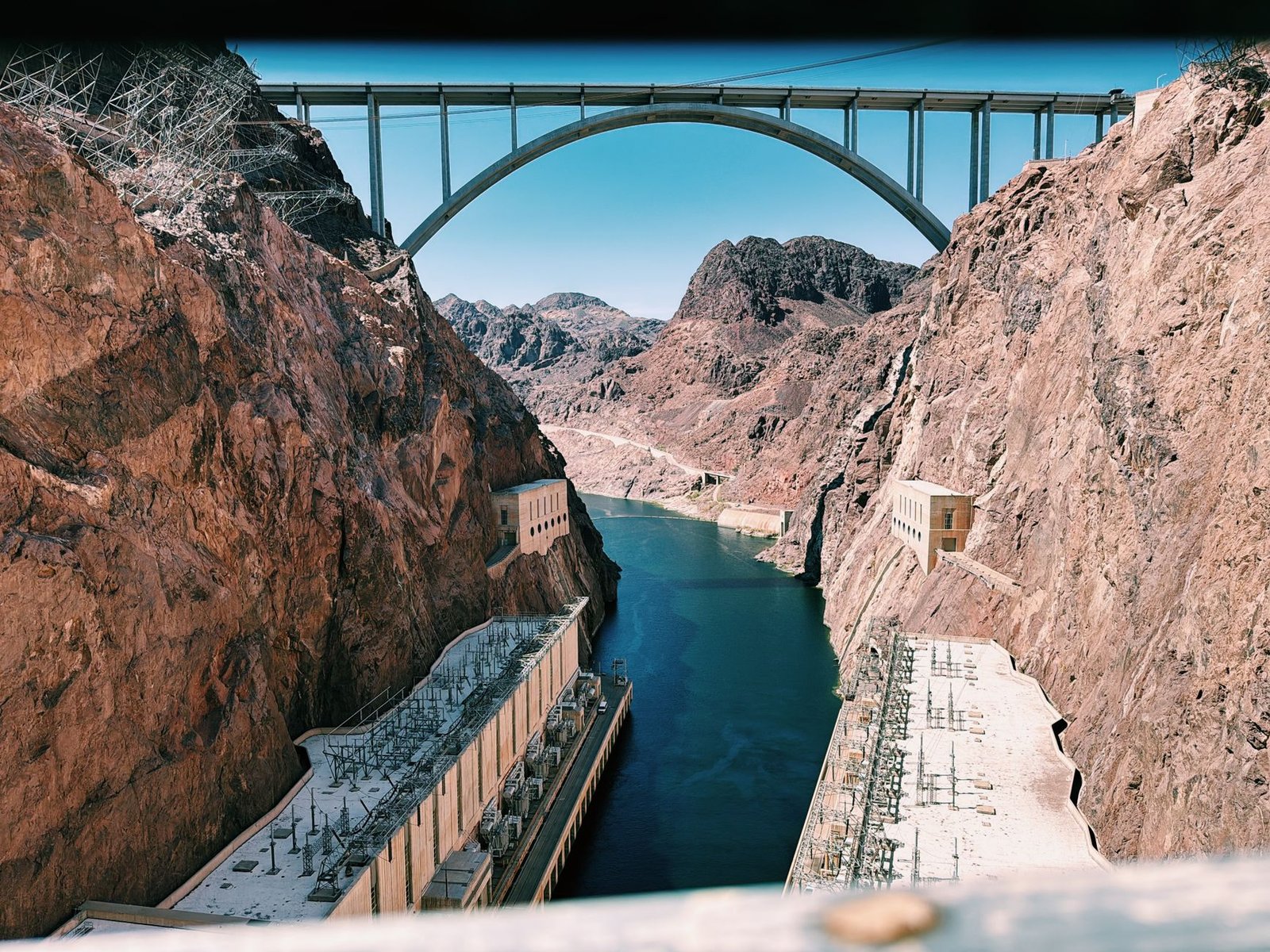
When sovereign states clash over shared boundary rivers or interstate alluvial basins, neither state can unilaterally enforce its internal water statutes upon the other, nor can lower federal district courts exercise jurisdiction over sovereign state parties. Under Article III of the Constitution, such inter-sovereign disputes fall exclusively within the original and exclusive jurisdiction of the Supreme Court of the United States.
Because the Supreme Court is structurally an appellate tribunal unsuited to conducting multi-month evidentiary trials involving complex hydro-geologic modeling, the Court appoints a Special Master—typically a seasoned federal judge or preeminent water law scholar—to hold hearings, rule on evidentiary motions, and assemble factual findings. The Court applies the common-law doctrine of ‘equitable apportionment,’ balancing historical beneficial use, agricultural dependency, municipal drinking needs, and economic injury.
In recent high-profile original proceedings, Special Masters have relied heavily on calibrated numerical groundwater flow models (such as MODFLOW) to quantify the exact subterranean hydrologic connection between unregulated alluvial groundwater pumping and surface streamflow depletions across state boundary lines.
Comparative Metrics and Fiscal Impact Analysis
The following quantitative dataset summarizes verified public records, capital expenditure benchmarks, and oversight agency audit dockets across regional jurisdictions:
| Interstate River Basin | Compacting States | Governing Compact Date | Special Master Proceeding | Core Legal Contention |
|---|---|---|---|---|
| Rio Grande Basin Compact | TX, NM, CO | Act of May 31, 1939 (53 Stat. 785) | Texas v. New Mexico (No. 141, Orig.) | Groundwater Pumping Depletion |
| Colorado River Lower Basin | CA, AZ, NV | Boulder Canyon Act of 1928 | Arizona v. California Re-Opener | System Evaporation Loss Allocation |
| Apalachicola-Chattahoochee | GA, FL, AL | Historical Tri-State Compact | Florida v. Georgia (No. 142, Orig.) | Municipal Consumptive Extraction |
| Pecos River Water Compact | TX, NM | Act of June 9, 1949 (63 Stat. 159) | Pecos River Master Docket | Accounting for Heavy Sedimentation |
The Federal Sovereign Interlocking Interest and Proposed Settlements
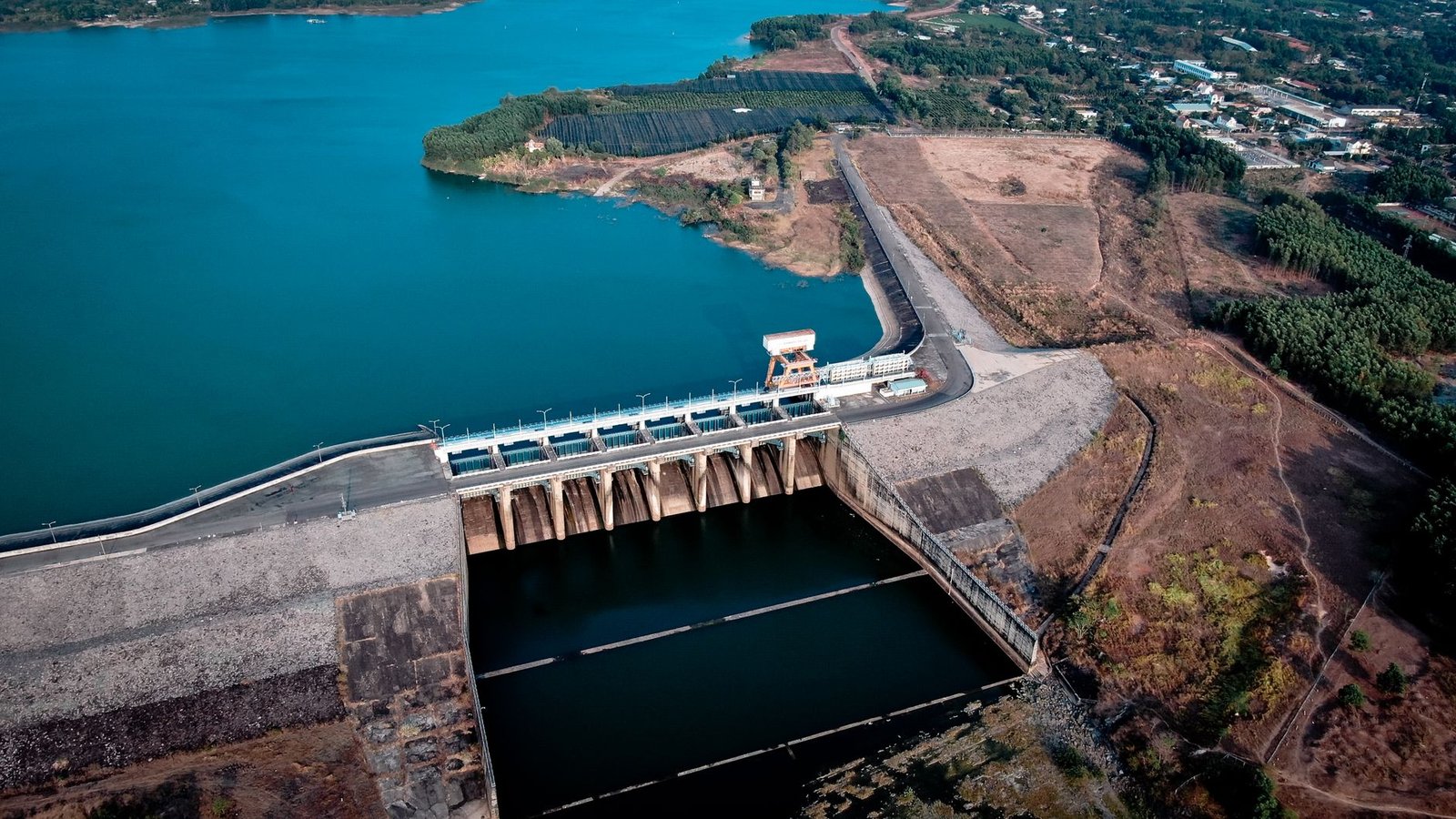
A critical complicating dimension in modern interstate water litigation is the role of the United States federal government as an indispensable party. Through the Department of the Interior, Bureau of Reclamation, and International Boundary and Water Commission, the federal government owns and operates major multipurpose dams, irrigation delivery canals, and hydroelectric generation facilities that physically regulate the flow of interstate rivers.
In Texas v. New Mexico and Colorado, the Supreme Court ruled that the federal government possesses distinct sovereign interests in protecting its treaty obligations with the Republic of Mexico and fulfilling delivery contracts to downstream irrigation districts. Consequently, proposed consent decrees negotiated exclusively between upstream and downstream states can be blocked if the United States establishes that the settlement impairs federal statutory management authorities.
This heightened federal role has transformed compact negotiations from bilateral state squabbles into complex three-dimensional intergovernmental compact settlements requiring simultaneous congressional approval and federal appropriations.
Climate Hydrology, Depletion Accounting, and Basin Modernization
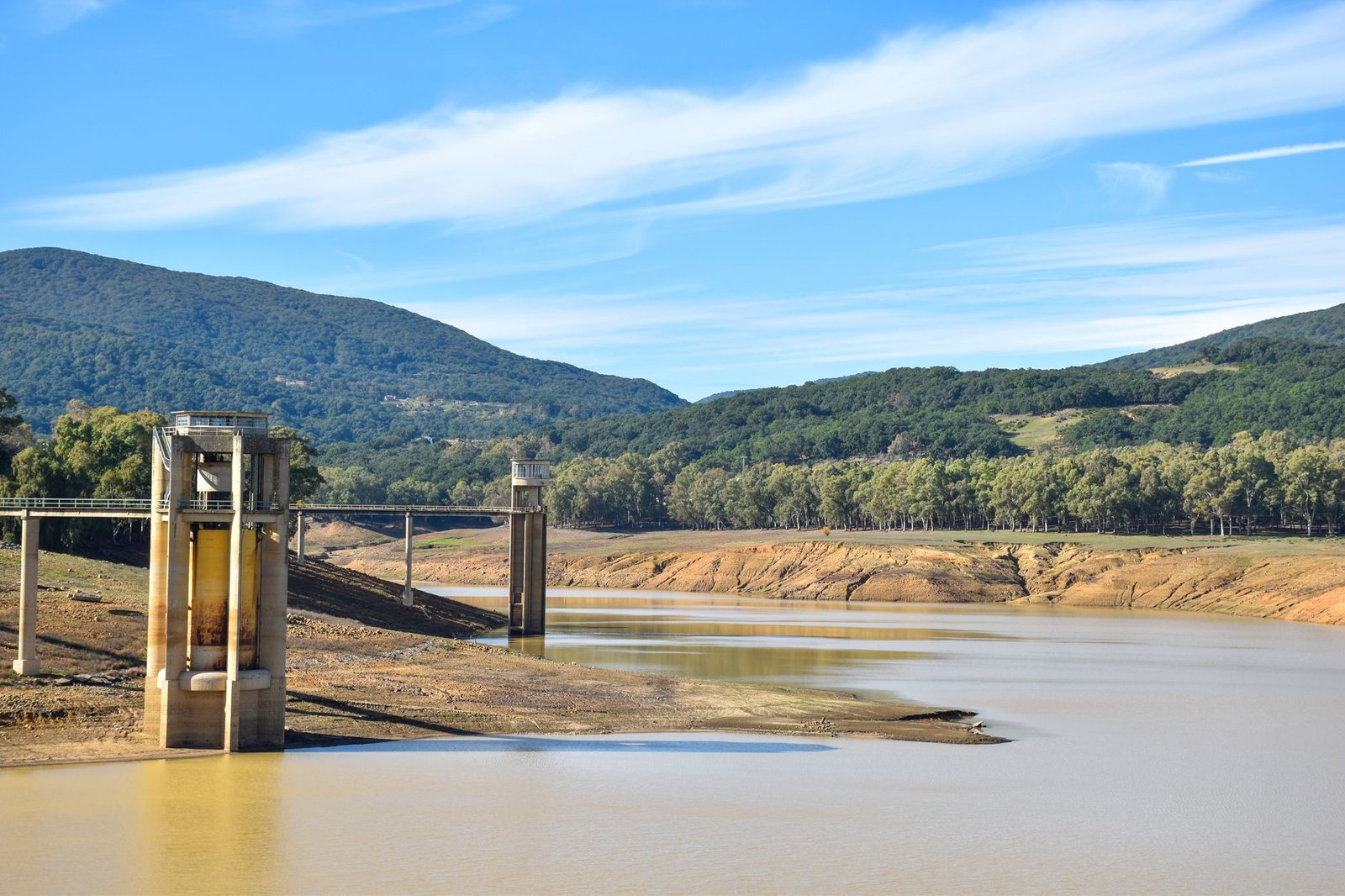
Many interstate water compacts negotiated during the early to mid-20th century were fatally flawed by reliance on short hydrological baseline periods characterized by historically abnormal wet precipitation cycles. When extended structural droughts and aridification drastically reduced actual river basin runoffs, the rigid volumetric delivery quotas written into compact texts became physically impossible for upstream states to deliver without completely drying up their own agricultural economies.
State water resources departments are actively negotiating modern accounting modifications that replace fixed acre-foot volumetric delivery schedules with dynamic percentage-based flow sharing indexed to real-time mountain snowpack and reservoir storage levels. Additionally, compact revisions for the first time formally account for reservoir surface evaporation losses and transit carriage depletions that historically went unmeasured.
Municipal water authorities and agricultural irrigation boards have formed multi-state basin coalitions, financing regional water-banking agreements and rotational crop fallowing to stabilize reservoir pool elevations and avoid catastrophic judicial water shutoffs.
Official Public Records and Statutory Citations
The documentary evidence and administrative filings referenced in this investigation are indexed under the following public record dockets:
- United States Supreme Court, Texas v. New Mexico and Colorado, 144 S. Ct. 1923 (2024).
- United States Supreme Court, Florida v. Georgia, 141 S. Ct. 1175 (2021).
- United States Supreme Court, Arizona v. California, 373 U.S. 546 (1963) and subsequent decrees.
- Colorado River Compact of 1922, 70 Cong. Rec. 324 (1928), codified at 43 U.S.C. 617l.
Independent Oversight Outlook
The legal battle over interstate river basins represents the most consequential environmental and constitutional test facing American federalism in the 21st century. As climate pressures expose the structural limits of legacy compacts, the Supreme Court’s original jurisdiction rulings will define the economic survival of entire western agricultural valleys and Sun Belt metropolitan regions.
Spotted an error? Read our corrections policy and let us know.

Keep reading

Ephemeral Messaging and Disappearing Mobile Chats Ruled Public Records in State Executive Offices

Correctional Facility Privatization Contracts Face Rigorous Performance Metric and Staffing Audits

Unclaimed Property Escheatment Audit Standards Strengthened Under Revised Uniform Act Enforcement