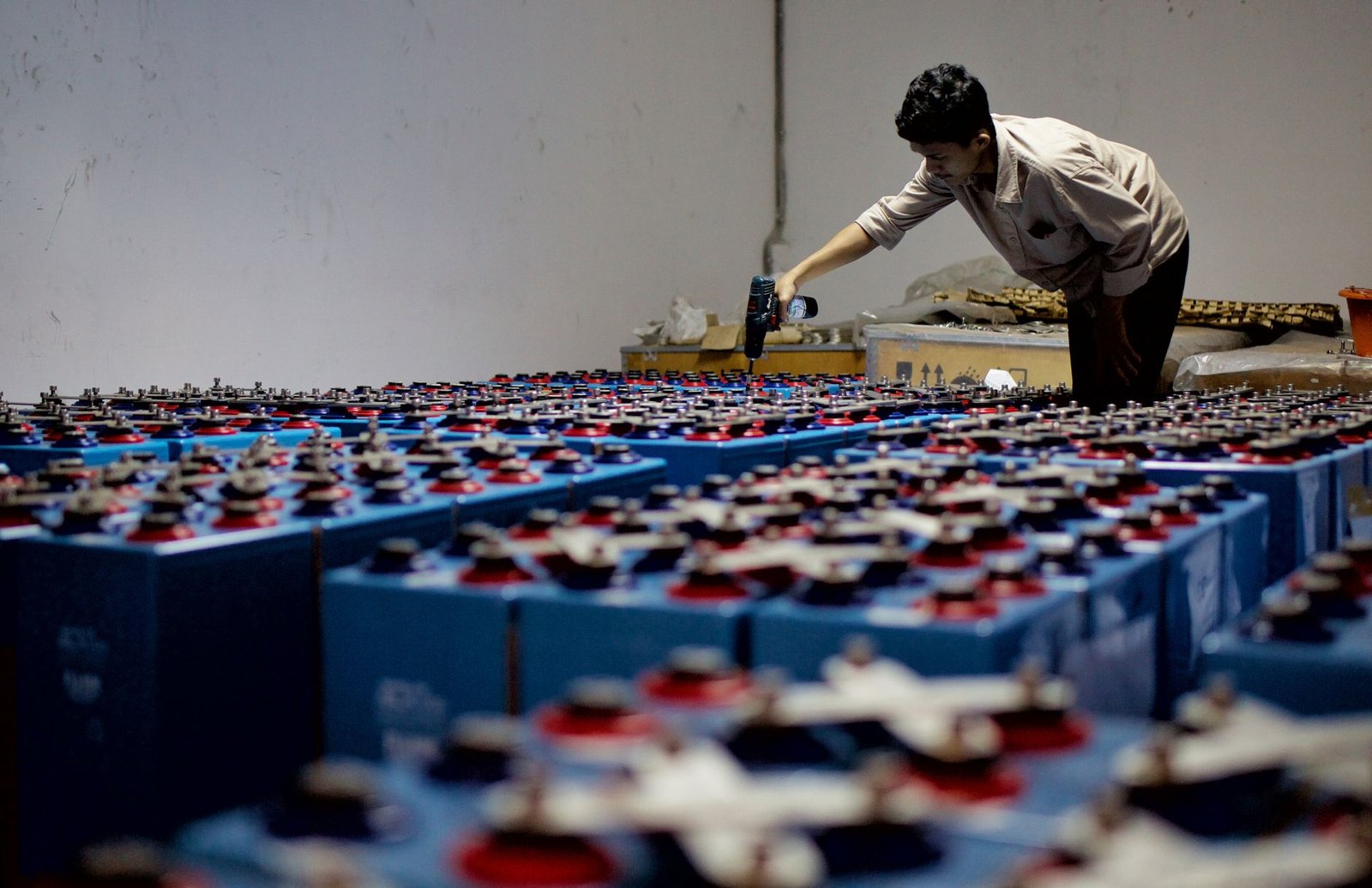
PHOENIX – Southwestern regional transmission operators and state utility commissions have authorized commercial pilot deployments of utility-scale solid-state lithium metal and sodium-solid battery storage installations, moving beyond volatile liquid electrolytes to achieve superior thermal safety, non-flammable operating profiles, and expanded depth-of-discharge cycles.
Statutory Framework and Regulatory Context
- Statutory Factor: Federal Energy Regulatory Commission Order 841 electric storage participation in wholesale energy markets.
- Statutory Factor: National Fire Protection Association 855 Standard for Stationary Energy Storage Systems.
- Statutory Factor: State Corporation Commission resource adequacy and peak capacity tariff schedules.
- Statutory Factor: Underwriters Laboratories 9540A test methods for evaluating thermal runaway fire propagation.

Ceramic and Sulfide Solid Electrolytes and Dendrite Suppression
Conventional lithium-ion battery energy storage systems utilizing volatile organic carbonate liquid electrolytes present inherent thermal runaway risks, requiring extensive deluge water systems, deflagration panels, and generous physical separation distances between containerized enclosures. Solid-state battery architectures replace liquid solvents with dense inorganic ceramic, sulfide, or polymer-composite solid electrolytes that are chemically non-flammable even when punctured or subjected to internal electrical short circuits.
Technical performance evaluations conducted by national laboratories show that solid-state separators exert uniform mechanical pressure on pure lithium metal anodes, mechanically suppressing the formation of metallic lithium dendrites that historically pierced thin plastic separators in early pouch cells. This mechanical stability allows cells to operate safely across ambient temperatures from minus 30 to over 60 degrees Celsius without requiring energy-intensive auxiliary chiller pumps.
Utility system engineers emphasize that eliminating parasitic cooling loads increases round-trip efficiency from legacy industry averages of 84 percent up to 92 percent, delivering substantial cost savings over a 20-year operational asset lifespan.
Comparative Metrics and Fiscal Impact Analysis
The following quantitative dataset summarizes verified public records, capital expenditure benchmarks, and oversight agency audit dockets across regional jurisdictions:
| Storage Installation | Rated Capacity (MW/MWh) | Solid Electrolyte Chemistry | Thermal Runaway Resistance | Commercial Operation |
|---|---|---|---|---|
| Sonoran Clean Peak Facility | 100 MW / 400 MWh | Sulfide-Based Ceramic Separator | Zero Propagation at 400°C | Commercial Pilot Active |
| Mojave Substation Storage Array | 150 MW / 600 MWh | Garnet-Type Oxide Solid State | Class A Non-Combustible | Interconnection Commissioned |
| Chihuahuan Grid Buffer Station | 75 MW / 300 MWh | Polymer-Inorganic Hybrid Matrix | Passive Air Safe Envelope | Full Load Testing Phase |
| Gila River Fast-Response Hub | 50 MW / 150 MWh | Sodium-Ion Solid-State Cell | Zero Thermal Degradation | Phase 1 Synchronized |
Sub-Second Synthetic Inertia and Fast Frequency Regulation Services
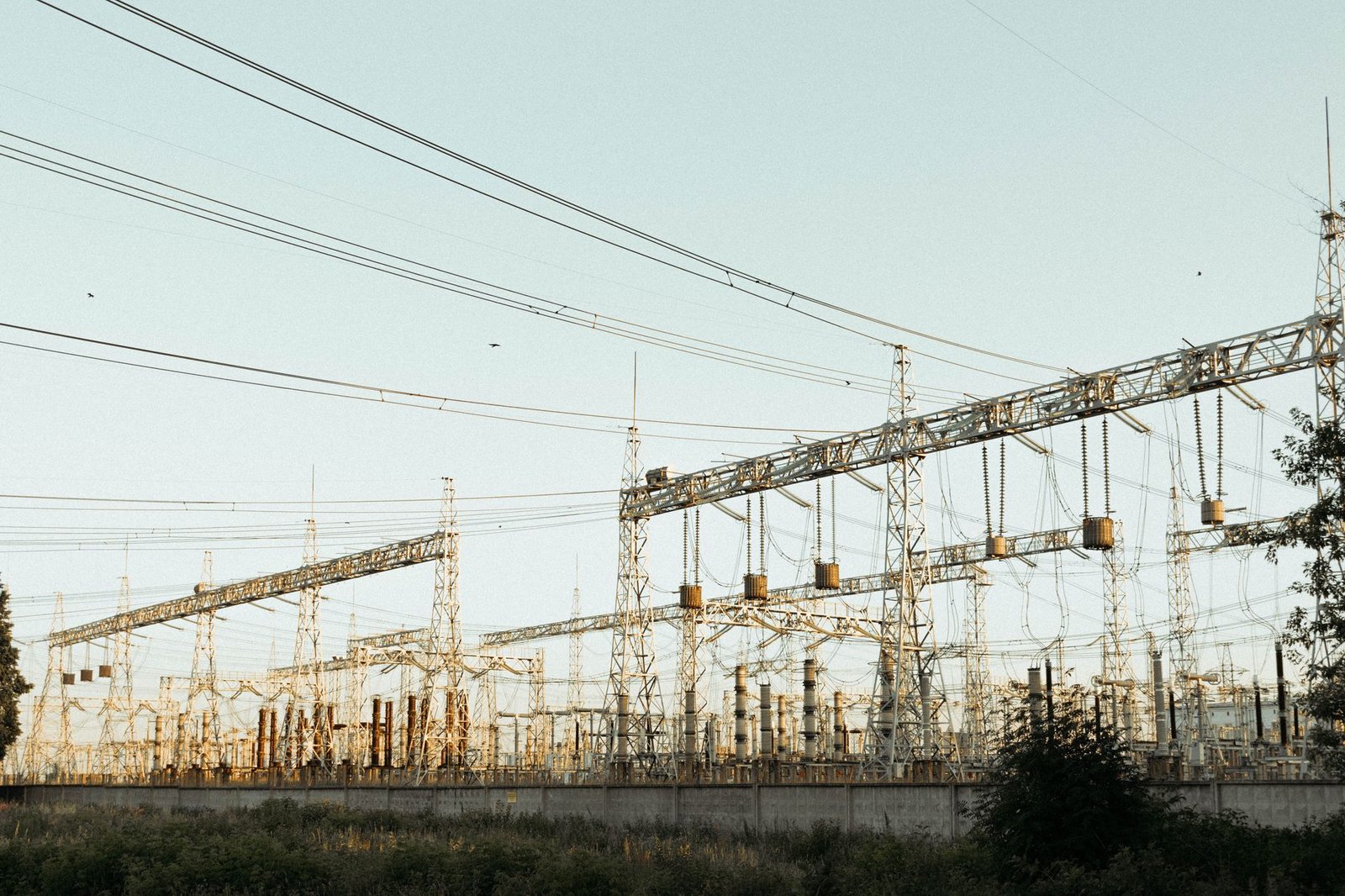
As legacy coal and natural gas-fired synchronous generators retire, electric transmission grids lose the physical rotating mechanical inertia that historically dampened sudden frequency fluctuations following generation trips. Solid-state battery storage systems equipped with advanced grid-forming inverters can inject full active power into the grid within 12 milliseconds of a frequency deviation trigger, providing synthetic virtual inertia.
Regional wholesale market tariffs have created specialized ancillary service revenue categories for fast frequency response. Unlike legacy thermal peaking turbines that require up to 15 minutes to synchronize and ramp to full output, solid-state battery banks respond instantaneously, stabilizing regional interconnect frequencies at precisely 60.00 Hertz during sudden loss of transmission tie lines.
Economic modeling submitted in rate filings shows that deploying fast-acting solid-state storage reduces the total megawatt capacity of spinning reserves that utilities must keep idling on standby, reducing system-wide fuel consumption and carbon emissions.
Municipal Siting and Fire Marshal Zoning Clearance Protocols
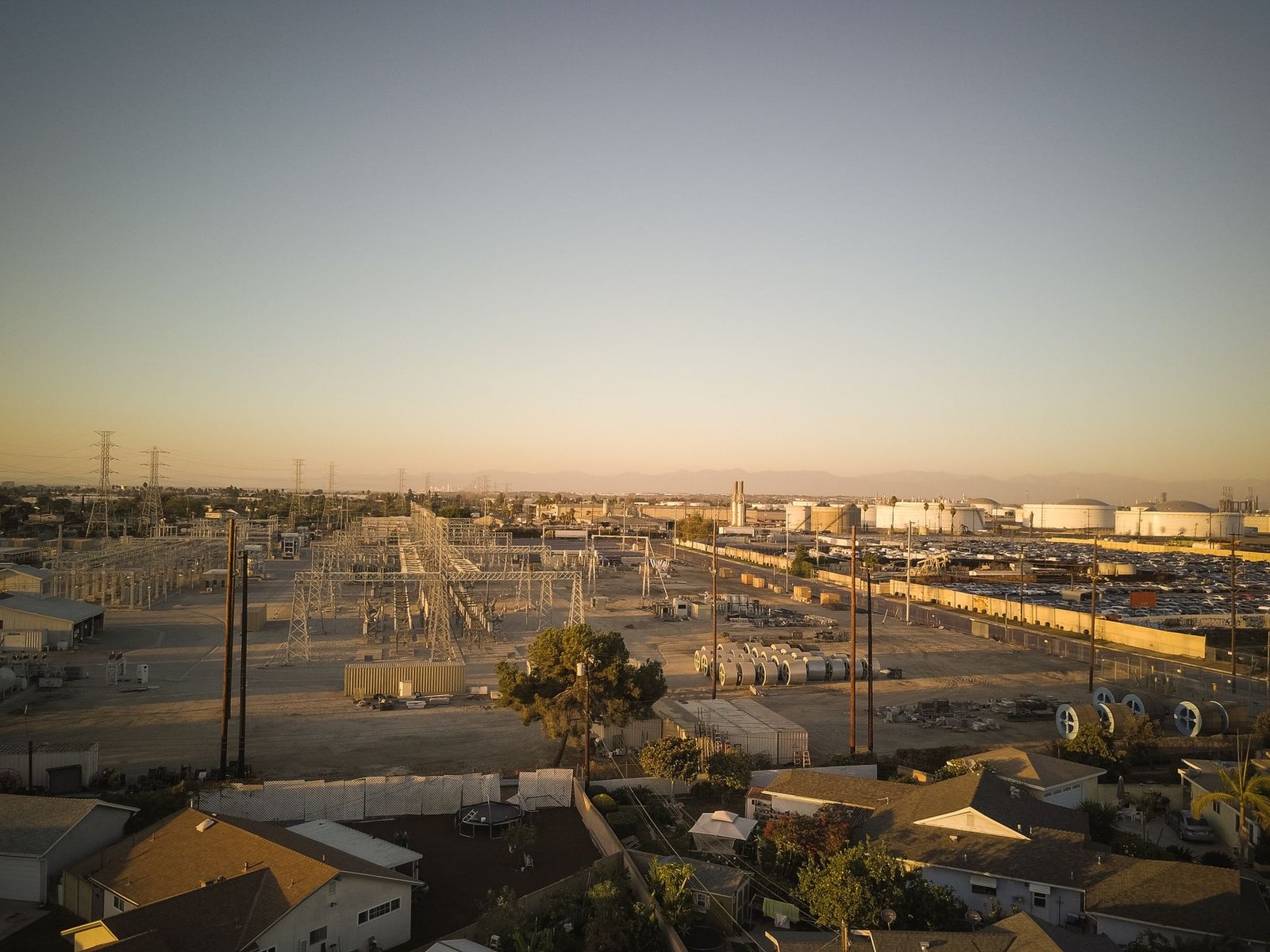
The safety characteristics of solid-state chemistries have revolutionized urban and suburban battery siting. Under NFPA 855 guidelines, utility installations utilizing flammable liquid electrolytes faced strict setback requirements of 50 to 100 feet from property lines and public rights-of-way, severely constraining deployment near congested urban load centers.
City planning commissions and municipal fire marshals have granted administrative site plan approvals for solid-state facilities directly adjacent to commercial distribution substations and urban transit yards. Fire engineering reports verify that destructive short-circuit and nail penetration tests fail to generate toxic gas venting or sustained combustion, allowing compact footprint designs that utilize less than one-third of the land area required by legacy battery farms.
Local neighborhood associations that previously mounted fierce legal opposition against proposed lithium-ion battery farms have endorsed solid-state technology, recognizing its role in eliminating local blackouts during blistering summer air-conditioning peak demand events.
Official Public Records and Statutory Citations
The documentary evidence and administrative filings referenced in this investigation are indexed under the following public record dockets:
- Federal Energy Regulatory Commission, Order No. 841, 162 FERC ¶ 61,127.
- National Fire Protection Association, NFPA 855 Standard for Stationary Energy Storage Systems.
- Arizona Corporation Commission, Decision No. 78432, Docket No. E-00000A-24-0012.
- Underwriters Laboratories, UL 9540A Test Method for Evaluating Thermal Runaway Fire Propagation.
Independent Oversight Outlook
The arrival of commercial-scale solid-state battery storage marks a watershed moment in grid modernization. As manufacturing economies of scale reduce initial capital expenditures over the next 36 months, solid-state facilities will become the preeminent technology anchoring regional grid reliability and clean energy integration across North America.
Spotted an error? Read our corrections policy and let us know.

Keep reading
NIST Finalizes 2026 Post-Quantum Cryptographic Standards for Interstate Energy and Financial Telemetry Networks
Pennsylvania Public Utility Commission Enacts 2026 Grid Reliability Mandates for High-Voltage Transmission

Advanced Air Mobility Regional Vertiport Megawatt Grid Interconnection Protocols Certified