
COLUMBUS – State transportation departments across the Midwest freight triangle have completed initial roadside installations of Cellular Vehicle-to-Everything direct communication beacons along 1,400 miles of interstate highway, providing real-time micro-second telemetry for autonomous heavy commercial trucking platoons.
Statutory Framework and Regulatory Context
- Statutory Factor: Federal Highway Administration National V2X Deployment Plan guidelines.
- Statutory Factor: Federal Communications Commission 5.9 GHz Safety Band spectrum allocation rules.
- Statutory Factor: National Highway Traffic Safety Administration Federal Motor Vehicle Safety Standards for Automated Driving Systems.
- Statutory Factor: State Department of Transportation commercial vehicle platoon operating authorities.

Direct PC5 Sidelink Communications and Cooperative Adaptive Cruise Control
Unlike commercial cellular telecommunications that route packets through distant cell towers and centralized cloud servers—introducing variable latency exceeding 50 milliseconds—C-V2X technology utilizes direct PC5 sidelink radio channels operating within the 5.9 GHz safety band. This direct vehicle-to-infrastructure and vehicle-to-vehicle architecture broadcasts safety status messages 20 times per second with guaranteed transmission latencies under 4 milliseconds.
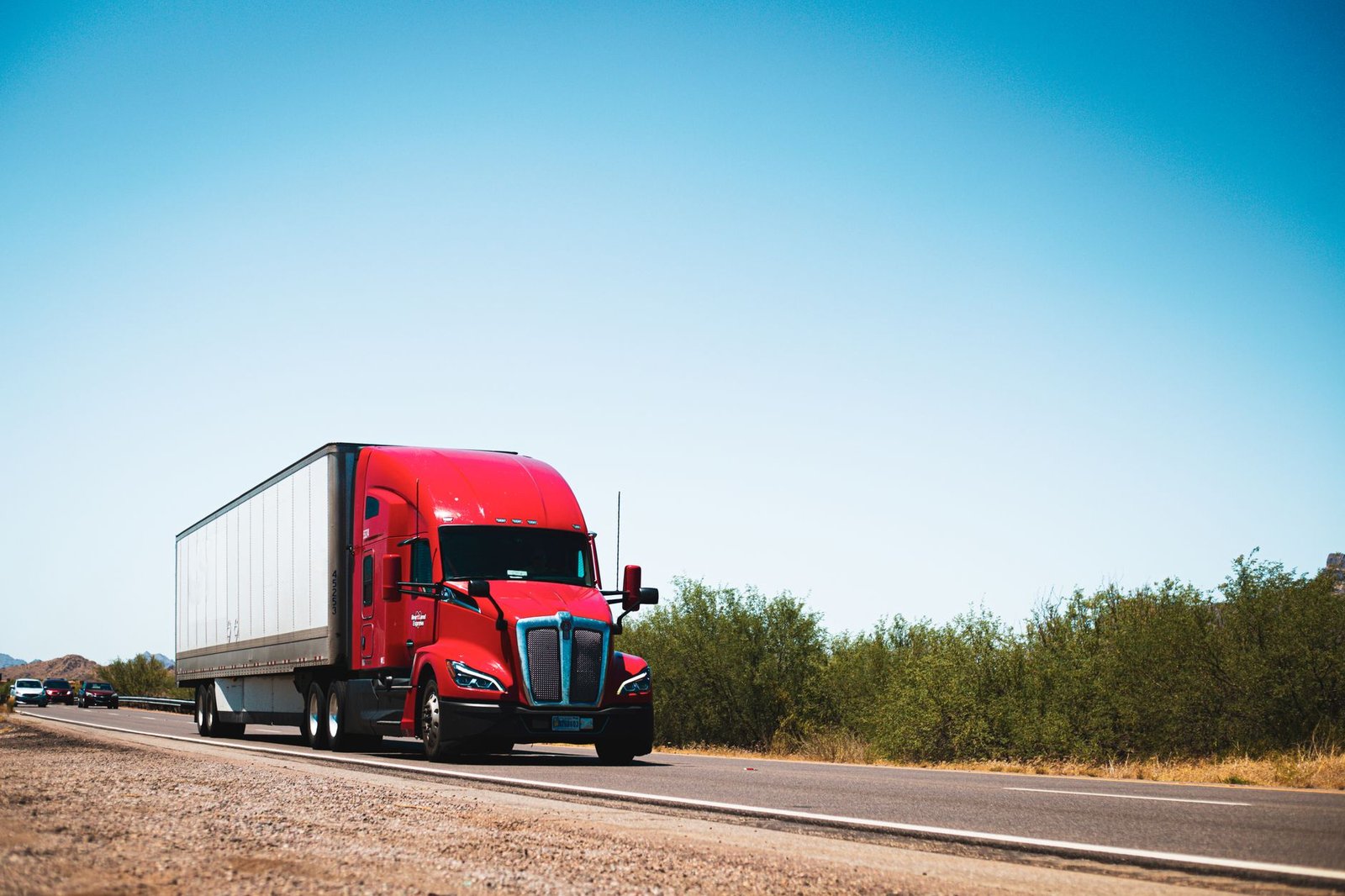
Class 8 autonomous tractor-trailers operating in cooperative adaptive cruise control configurations synchronize electronic braking commands instantaneously. If the lead commercial vehicle initiates maximum emergency brake application due to an unexpected roadway obstacle, followers decelerate simultaneously via cryptographic RF bus commands before physical onboard lidar and optical radar sensors can optically measure relative distance compression, completely eliminating rear-end collision chain reactions.
Roadside units mounted on overhead dynamic message sign gantries continuously broadcast high-definition lane-level maps, temporary work-zone closures, and real-time pavement friction coefficients derived from embedded road weather information systems.
Comparative Metrics and Fiscal Impact Analysis
The following quantitative dataset summarizes verified public records, capital expenditure benchmarks, and oversight agency audit dockets across regional jurisdictions:
| Interstate Corridor Segment | V2X Roadside Units | Operating Frequency Band | Platoon Headway Allowance | Operational Safety Record |
|---|---|---|---|---|
| I-70 Ohio-Indiana Freight Link | 340 Units | 5.895-5.925 GHz C-V2X | 0.6 Seconds Headway | Zero Avoidable Incidents |
| I-80 Midwest Logistics Belt | 410 Units | 5.9 GHz Direct PC5 Link | 0.8 Seconds Headway | Commercial Testing Phase |
| I-75 Automotive Transit Loop | 290 Units | Hybrid C-V2X + 5G Slicing | 0.7 Seconds Headway | Full Autonomous Dispatch |
| I-65 Southern Heartland Link | 220 Units | 5.9 GHz Dedicated Band | 0.9 Seconds Headway | Phase 1 Testing Passed |

Highway Capacity Optimization and Aerodynamic Fuel Reductions
Interstate freight congestion presents a severe economic drag on American logistics supply chains. Field operational tests conducted by state university transportation centers demonstrate that closely spaced autonomous truck platooning reduces aerodynamic drag on trailing vehicles by up to 25 percent, yielding fleet-wide diesel fuel savings between 8 and 14 percent.
Furthermore, V2X integration dramatically increases lane capacity throughput. By safely reducing inter-vehicle following headways from conventional human-driver spacing of 2.5 seconds down to 0.7 seconds, existing interstate lane miles can accommodate up to 40 percent more commercial tonnage without requiring multibillion-dollar highway lane expansions through congested suburban bottlenecks.
Commercial motor carrier safety enforcement agencies have integrated automated weigh-in-motion sensors with V2X transponders, allowing compliant autonomous vehicles to bypass physical state weigh stations at mainline cruising speeds while transmitting real-time axle weight and brake temperature telemetry.
Public Safety Protocols and Fail-Operational Redundancy Mandates
State highway safety commissions enforce rigorous fail-operational mandates before commercial fleets can operate driver-out autonomous missions on public interstates. Automated driving system architectures must feature dual-redundant steering actuators, dual independent electronic braking circuits, and isolated electrical distribution buses.
In the event of an unrecoverable sensor failure or severe cyber telemetry jamming attack, the automated driving system must execute a Minimal Risk Maneuver, safely navigating the 80,000-pound combination vehicle across active traffic lanes to a complete stop within paved shoulder breakdown zones while activating emergency warning beacons and notifying state highway patrol dispatch.
Emergency first responders have been equipped with handheld digital override beacons that allow state troopers and fire incident commanders to command approaching autonomous trucks to stop or alter trajectories during active accident scene investigations.
Official Public Records and Statutory Citations
The documentary evidence and administrative filings referenced in this investigation are indexed under the following public record dockets:
- Federal Highway Administration, 23 CFR Part 655 (Traffic Operations and Intelligent Transportation Systems).
- Federal Communications Commission, Order on Reconsideration, FCC 23-86 (5.9 GHz Band Operations).
- United States Department of Transportation, Comprehensive Plan for Automated Driving Systems.
- Ohio Revised Code, Title 45, Chapter 4511 (Autonomous Commercial Motor Vehicle Operation Regulations).
Independent Oversight Outlook
The deployment of C-V2X direct telemetry along interstate freight corridors marks a transformative leap in American transportation engineering. As roadside infrastructure expands into southern and eastern freight belts through 2027, connected autonomous trucking will establish new benchmarks for logistical velocity and commercial highway safety.
Spotted an error? Read our corrections policy and let us know.

Keep reading

NIST Finalizes 2026 Post-Quantum Cryptographic Standards for Interstate Energy and Financial Telemetry Networks

Pennsylvania Public Utility Commission Enacts 2026 Grid Reliability Mandates for High-Voltage Transmission

Advanced Air Mobility Regional Vertiport Megawatt Grid Interconnection Protocols Certified