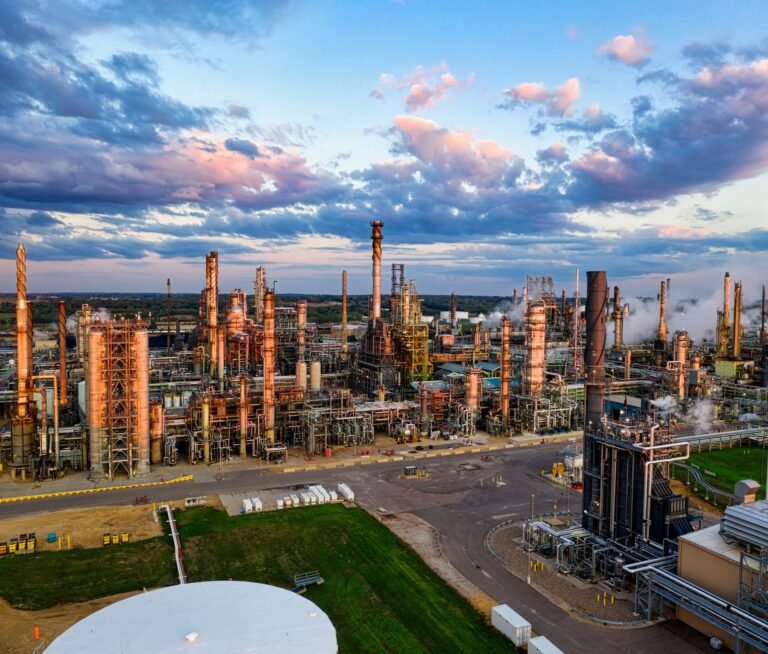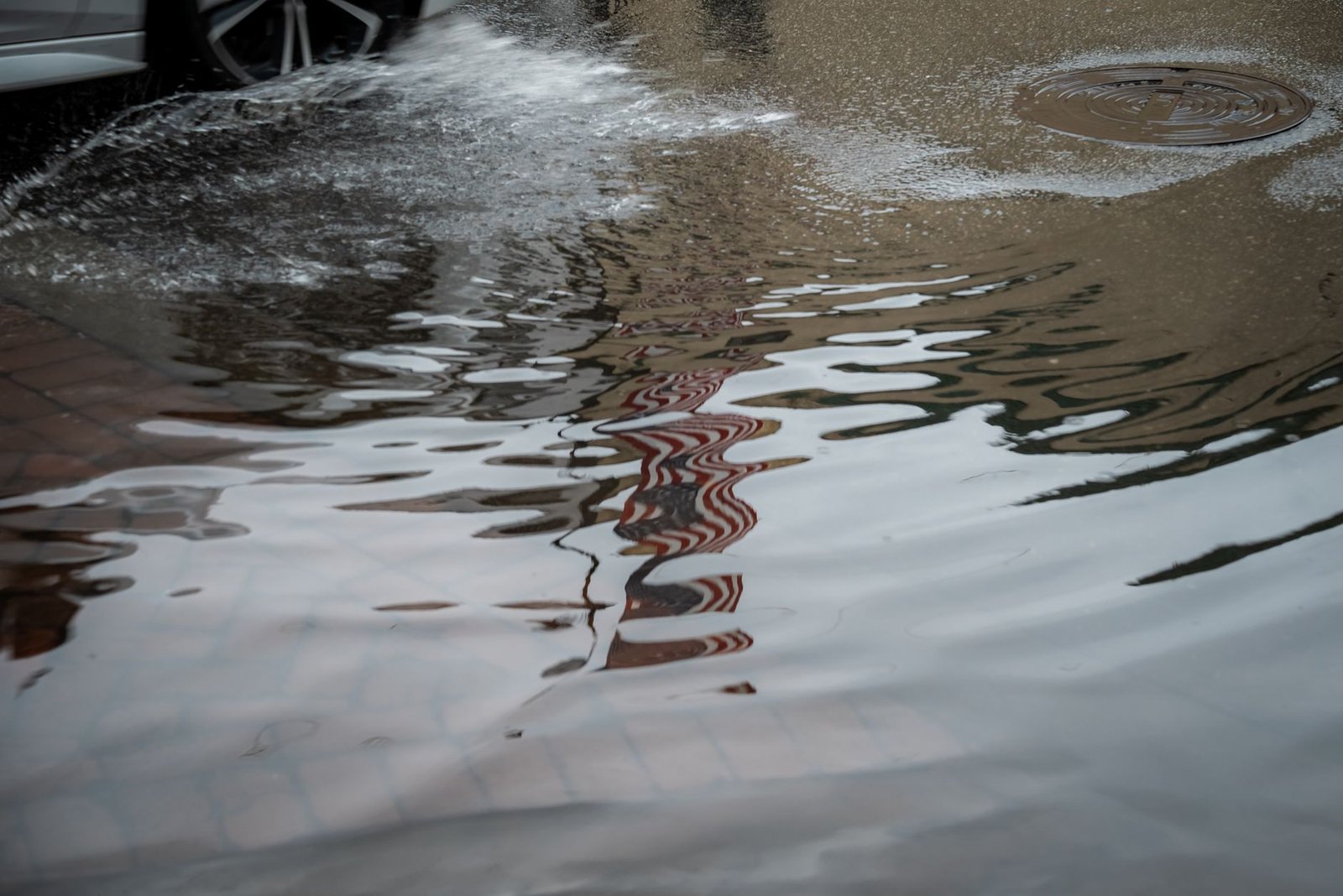
BALTIMORE – Municipal public works departments across the Chesapeake Bay and Great Lakes watersheds are re-engineering urban stormwater drainage systems to comply with enforceable numeric nutrient allocations in Phase I and Phase II Municipal Separate Storm Sewer System (MS4) permits, deploying distributed bioretention bioswales and permeable pavements to intercept urban runoff.
Statutory Framework and Regulatory Context
- Statutory Factor: Clean Water Act Section 402(p) (33 U.S.C. 1342) Municipal Stormwater Discharge regulations.
- Statutory Factor: National Pollutant Discharge Elimination System (NPDES) MS4 General Permit standards.
- Statutory Factor: EPA Chesapeake Bay Total Maximum Daily Load (TMDL) numeric nutrient reduction targets.
- Statutory Factor: State Department of the Environment stormwater design manuals and credit trading rules.
The Hydraulic Problem of Urban Impervious Surfaces and Nutrient Flushes
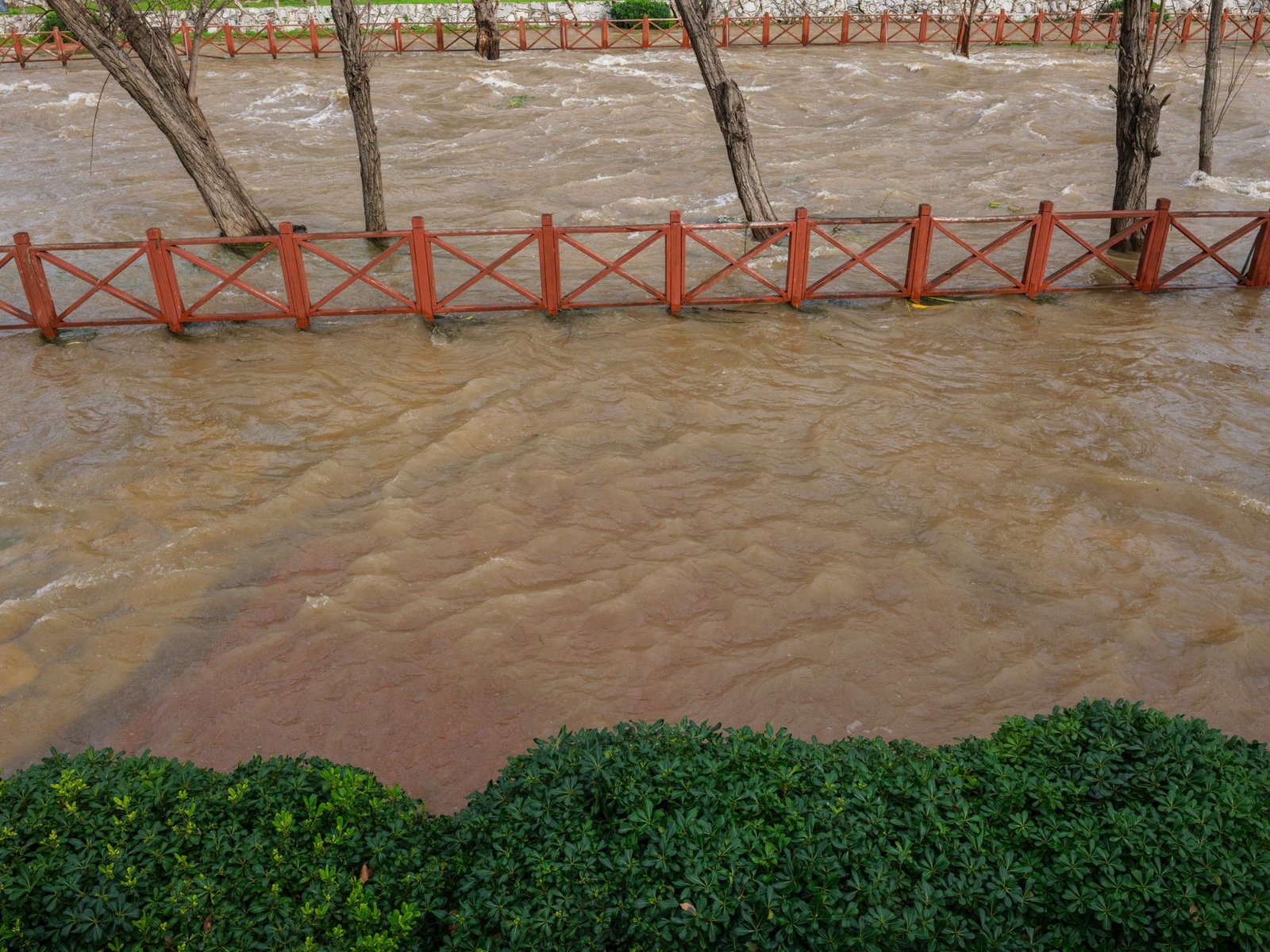
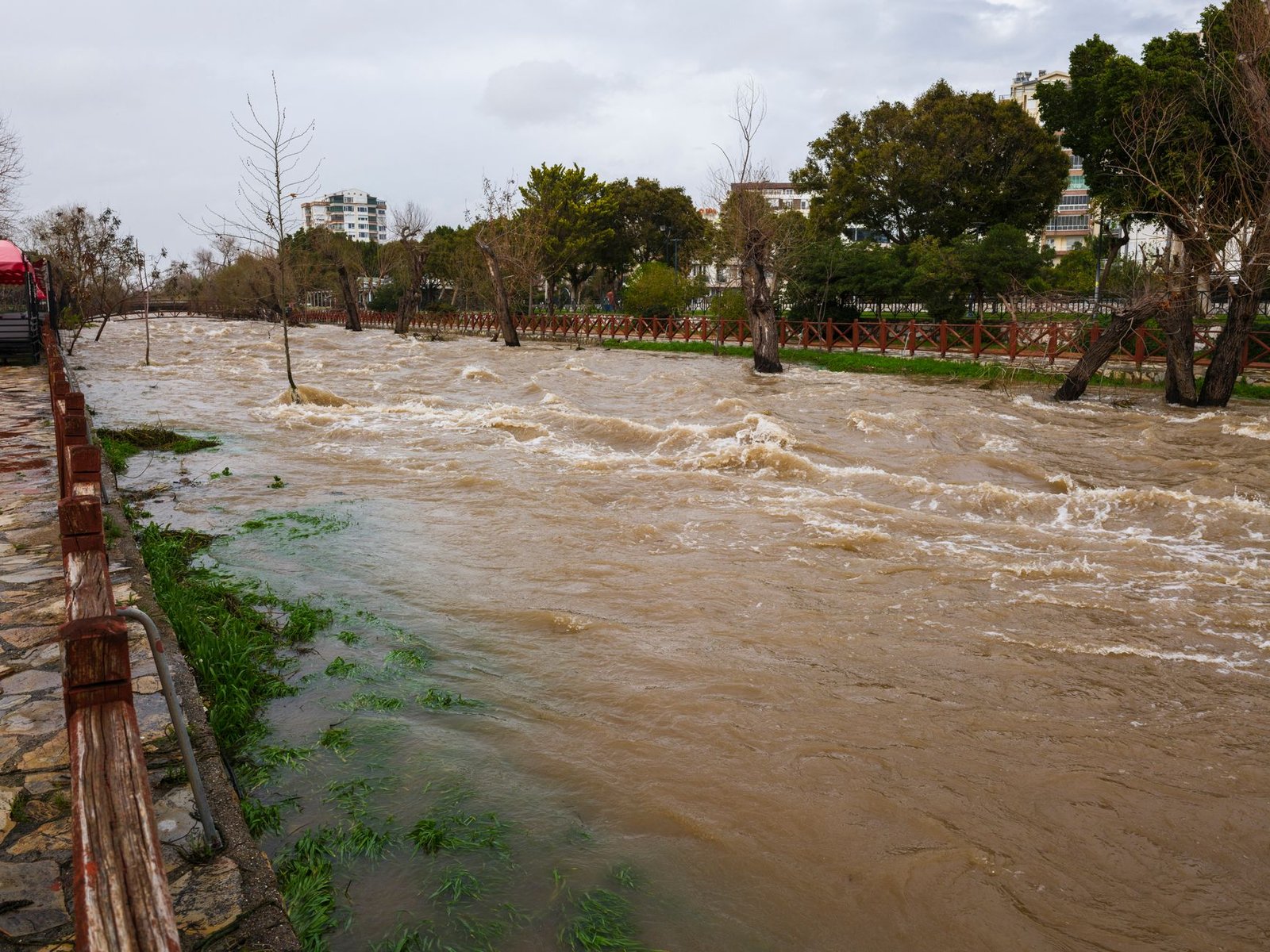
Historic urban and suburban development covered vast watersheds in impermeable asphalt streets, concrete parking lots, and commercial rooftops. In an undeveloped forest, over 80 percent of rainwater infiltrates naturally into the soil or evapotranspires through tree canopies, with less than 20 percent escaping as surface runoff. In dense urban landscapes with 75 percent impervious cover, the dynamic reverses: over 80 percent of rainwater rushes immediately into municipal storm sewers as a torrential, polluted flood wave.
This urban stormwater runoff scours downstream river channels, causes flash flooding, and flushes colossal loads of nonpoint nutrients into sensitive receiving estuaries. Atmospheric nitrogen deposition, residential lawn fertilizers, dog waste, and decaying street leaf litter accumulate on impervious asphalt during dry weather and are washed away in a concentrated ‘first flush’ during the initial 30 minutes of a rainstorm.
Under revised EPA MS4 permits, municipalities are held strictly accountable under federal law for meeting exact numeric Total Maximum Daily Load (TMDL) waste load allocations, facing massive federal civil penalties if annual municipal nutrient discharges exceed statutory caps.
Comparative Metrics and Fiscal Impact Analysis
The following quantitative dataset summarizes verified public records, capital expenditure benchmarks, and oversight agency audit dockets across regional jurisdictions:
| Municipal MS4 Jurisdiction | Impervious Urban Acreage | Mandatory Phosphorus Cut | Green Infrastructure Tech | Annual Stormwater CapEx |
|---|---|---|---|---|
| Baltimore County Public Works | 45,000 Impervious Acres | -62% Total Phosphorus Cap | Bioretention Bioswales + Filter Beds | $38.5 Million Annual |
| Fairfax County Stormwater Hub | 38,000 Impervious Acres | -58% Nitrogen Allocation | Permeable Pavers + Sand Filters | $32.0 Million Annual |
| Cuyahoga Urban County Dist | 52,000 Impervious Acres | -65% Nutrient Surcharge Cap | Subsurface Storm Infiltration Vaults | $44.2 Million Annual |
| Milwaukee Metropolitan Sewer | 41,000 Impervious Acres | -60% Runoff Volume Mandate | Green Roofs + Tree Box Filters | $36.8 Million Annual |
Engineered Bioretention Bioswales and Engineered Filter Media
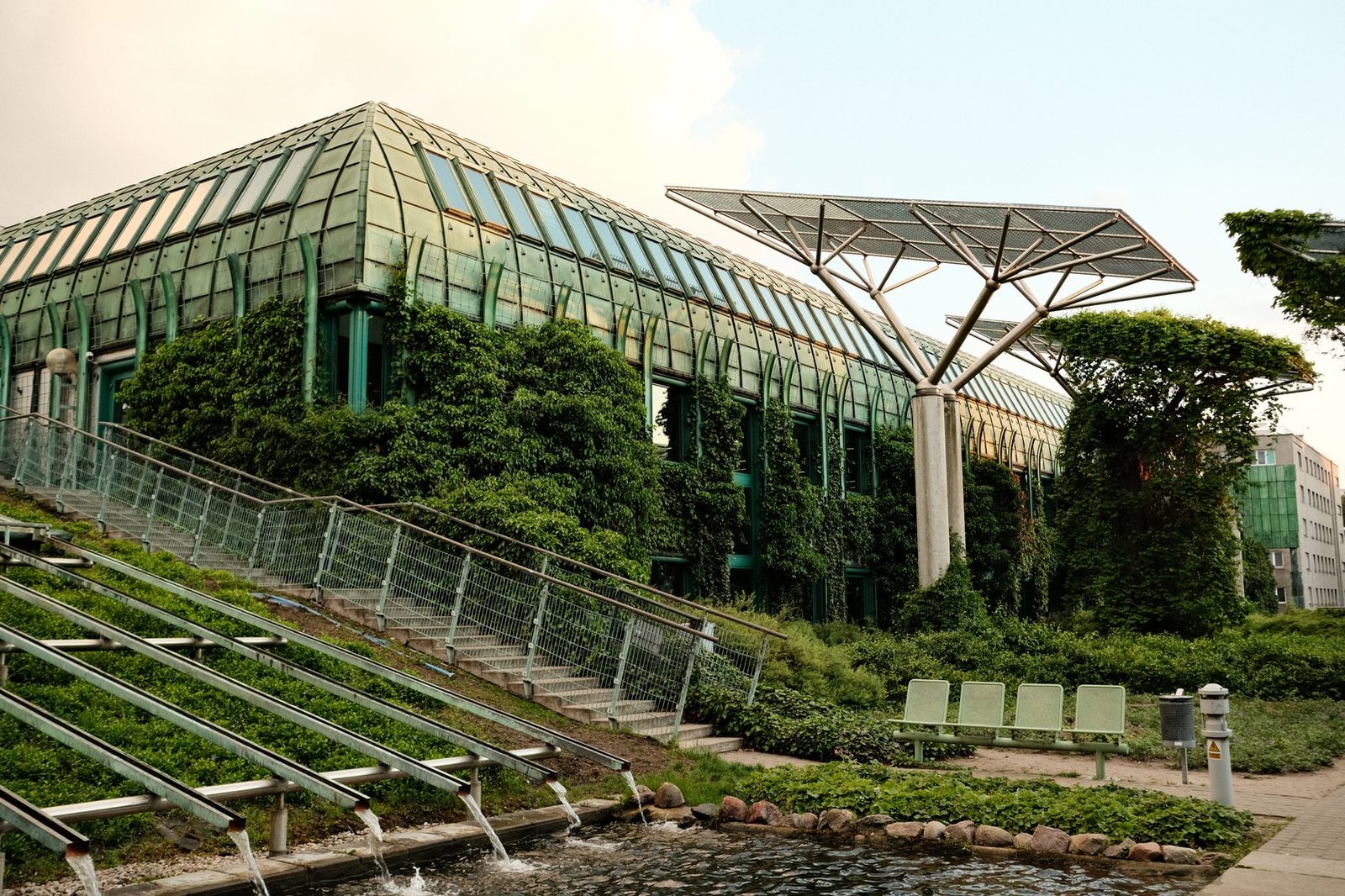
To capture and cleanse urban runoff within existing, built-out municipal road rights-of-way, city engineers deploy distributed Green Stormwater Infrastructure (GSI), primarily bioretention bioswales and rain gardens. Bioswales are shallow, vegetated landscape depressions excavated adjacent to street curbs, connected to the street gutter by curb cut openings.
Runoff flows into the bioswale and ponds up to six inches deep before filtering slowly downward through an engineered biofiltration media layer measuring 24 to 36 inches in depth. The filter media is formulated with a precise blend of 85 percent coarse concrete sand, 10 percent fine silt and clay, and 5 percent organic leaf compost, underlain by a crushed aggregate storage reservoir and a perforated underdrain pipe.
Specialized mineral additives, including iron-filings or water treatment plant residual aluminum oxides, are blended into the sand matrix. Soluble phosphate ions chemically bond to the iron and aluminum surfaces through chemical adsorption, achieving phosphorus removal efficiencies exceeding 85 percent while native perennial wetland rushes (such as Iris versicolor and Carex stricta) take up dissolved nitrogen through their root systems.
Dedicated Municipal Stormwater Utilities and Impervious Fees
Financing multi-million-dollar green infrastructure retrofits across thousands of city blocks required restructuring municipal public finance. Historically, cities funded stormwater repairs from general tax revenues, competing against police, fire, and school budgets for scarce funding. Municipalities have universally established dedicated Stormwater Utilities, funded through dedicated stormwater user fees assessed on all properties based on their measured square footage of impervious surface area.
Under the Equivalent Residential Unit (ERU) fee model, single-family homeowners pay a modest monthly utility fee, while commercial shopping malls, big-box retailers, and private parking lots that cover acres of land in impermeable asphalt pay thousands of dollars monthly based on their actual stormwater runoff generation.
Crucially, municipal utility ordinances offer substantial fee credits—up to 60 percent discounts—to commercial property owners who install on-site green roofs, permeable asphalt parking stalls, or bioretention basins, creating powerful commercial financial incentives for private developers to green their properties.
Official Public Records and Statutory Citations
The documentary evidence and administrative filings referenced in this investigation are indexed under the following public record dockets:
- Clean Water Act, 33 U.S.C. 1342(p) (Municipal and Industrial Stormwater Discharges).
- United States Environmental Protection Agency, 40 CFR Part 122 (EPA Administered Permit Programs: The NPDES).
- Maryland Department of the Environment, Maryland Stormwater Design Manual (Volumes I & II, 2024 Revisions).
- Chesapeake Bay Commission, The Cost-Effectiveness of Stormwater Management Practices in the Chesapeake Bay Watershed.
Independent Oversight Outlook
The widespread implementation of numeric nutrient caps and green stormwater infrastructure across American cities represents an essential transformation of urban hydrology. Through dedicated municipal stormwater utility financing across 2026 and 2027, urban drainage networks will filter stormwater naturally, reviving regional rivers and coastal bays.
Spotted an error? Read our corrections policy and let us know.

Keep reading
Urban Stream Daylighting Projects Remove Concrete Culverts to Restore Natural Fluvial Geomorphology
FEMA Hazard Mitigation Assistance Buyouts Transform Repetitive Loss Floodplains into Natural Greenways

Vadose Zone Suction Lysimeters and Groundwater Protection Plans Enacted for Confined Animal Feeding Operations