Tackling widespread consumer frustration over broken charging kiosks and payment reader failures, state energy offices across the nation are enacting strict 97 percent functional uptime mandates, unannounced field audits, and financial penalty clawbacks for public charging networks.
Key Regulatory Takeaways & Policy Impact
- Strict Uptime Benchmarks: States administering National Electric Vehicle Infrastructure (NEVI) formula funds are requiring commercial operators to maintain 97% verified uptime across all charging ports.
- Automated Telemetry Audits: State energy departments are directly tapping Open Charge Point Protocol (OCPP) cloud feeds to independently audit real-time hardware status and charging success rates.
- Consumer Protection Enforcement: Regulatory codes now mandate standardized contactless payment terminals, clear per-kilowatt-hour price transparency, and rapid 24-hour maintenance dispatch rules.
The Reliability Crisis in Public Vehicle Electrification
Consumer Trust and the Reality of Broken Charging Kiosks
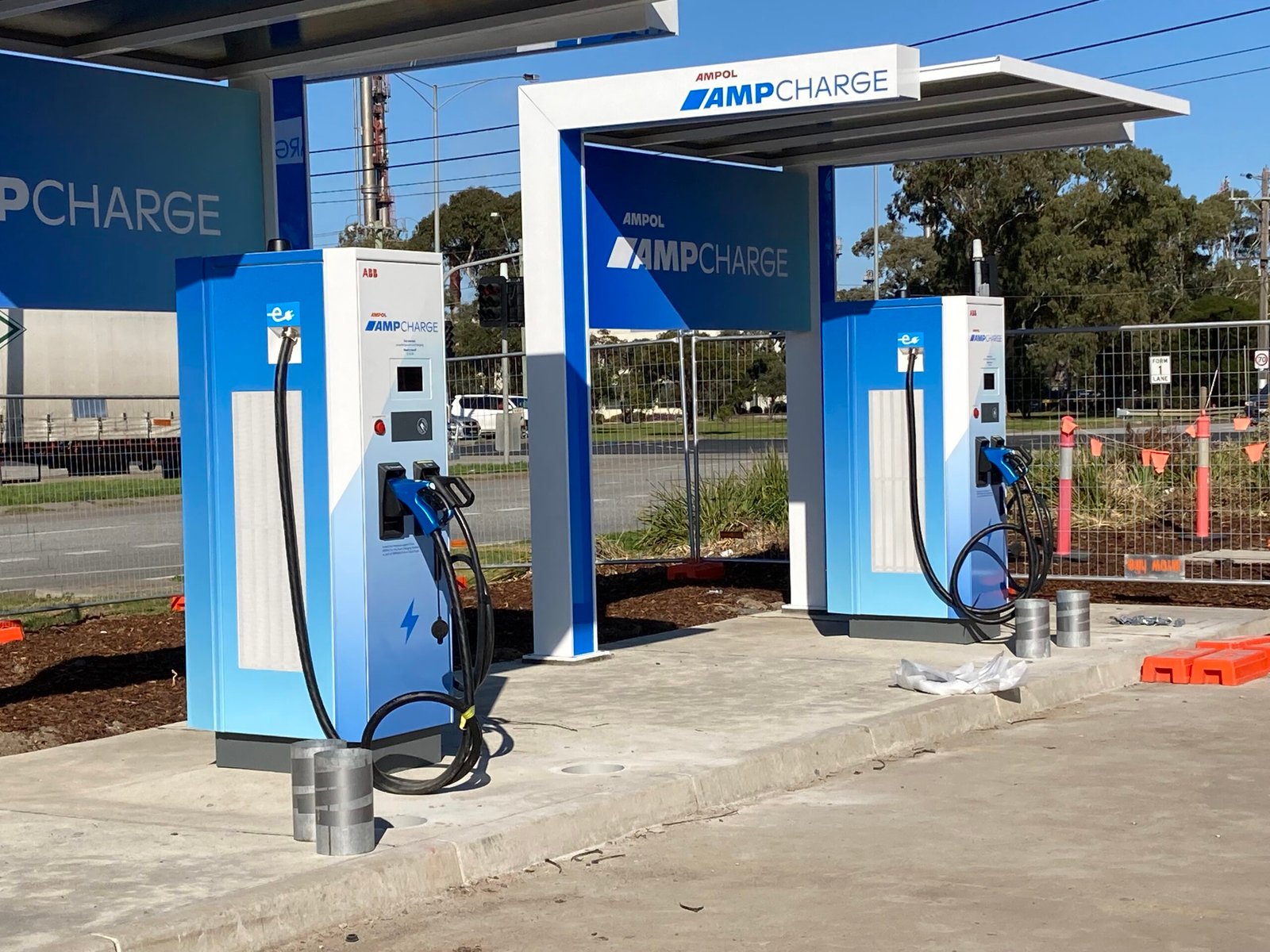
As electric vehicle (EV) adoption transitions from early adopters to mainstream American consumers, the reliability and dependability of the public charging network has emerged as a paramount civic and economic challenge. While private home charging provides predictable convenience for single-family homeowners, millions of apartment dwellers, commercial fleet operators, and long-distance highway travelers depend entirely on publicly accessible direct-current (DC) fast charging plazas.
Independent academic and consumer audits conducted across major interstate corridors have exposed an alarming failure rate. Studies conducted in California, Washington, and across the Northeast revealed that upwards of 20 to 25 percent of public charging kiosks were non-functional at any given time. Drivers routinely encountered frozen touchscreen displays, software handshake failures between vehicles and chargers, damaged high-amperage liquid-cooled cables, and malfunctioning payment card readers.
This pervasive unreliability has created significant consumer anxiety and threatened state climate and transportation decarbonization benchmarks. In response, state governors and energy offices have concluded that deploying capital to install charging hardware is insufficient without robust, enforceable regulatory mechanisms that guarantee long-term operational performance.
State Regulatory Standards and the 97 Percent Uptime Mandate
Defining Operational Availability under Federal and State Law
Under the framework of the federal National Electric Vehicle Infrastructure (NEVI) program and corresponding state clean transportation statutes, states are establishing binding uptime standards. State transportation departments and energy commissions have established an unambiguous regulatory benchmark: every publicly funded commercial charging port must maintain a verified operational uptime of at least 97 percent over any rolling twelve-month period.
Crucially, state regulatory codes have closed industry loopholes regarding how 'uptime' is calculated. Under older commercial standards, operators frequently claimed a kiosk was 'online' as long as its cellular modem communicated with the cloud, even if the physical cable was severed, the payment terminal was unresponsive, or the internal power inverter was disabled.
Modern state standards define uptime from the driver’s perspective. A charging port is classified as operational only if it is physically unobstructed, capable of successfully executing an Open Charge Point Interface (OCPI) software handshake with any compatible vehicle, initiating energy transfer at rated kilowatt capacity, and processing universal payment methods without requiring proprietary mobile applications or memberships.
Automated Telemetry Verification and Mystery-Shopper Field Audits
Eliminating Self-Reported Uptime Claims Through Independent Data
To enforce these reliability benchmarks, state regulatory authorities are deploying sophisticated independent auditing mechanisms rather than relying on self-reported compliance statistics from commercial charging network operators.
In California, the California Energy Commission (CEC) and the California Air Resources Board (CARB) have instituted continuous automated telemetry feeds. Charging network operators must expose standardized, unredacted application programming interfaces (APIs) utilizing the Open Charge Point Protocol (OCPP). State automated auditing platforms continuously poll charging kiosks every five minutes, recording error codes, session completion rates, and average charging speeds.
Complementing digital telemetry, state departments of agriculture and weights and measures bureaus—agencies historically responsible for certifying commercial gasoline fuel pumps—are expanding their physical enforcement mandates. Certified state field inspectors equipped with specialized test vehicles and diagnostic equipment conduct unannounced field audits across public charging plazas, measuring voltage accuracy, evaluating physical cable condition, and verifying that displayed per-kilowatt-hour prices match actual billing receipts.
Enforcement Mechanisms, Financial Clawbacks, and Universal Access
Instituting Meaningful Penalties for Chronic Network Downtime
State regulatory frameworks have established clear financial and operational teeth to hold charging network providers accountable. Under grant agreements executed across Colorado, New York, and Washington, operators that fail to maintain the 97 percent uptime standard face graduated enforcement measures.
Penalties begin with administrative cure notices requiring the dispatch of certified maintenance technicians within 24 to 48 hours. Continued failure to restore functionality results in the withholding of ongoing operational and maintenance subsidies, escalating to mandatory capital clawbacks where operators must refund initial public installation grants back to the state treasury. Persistent non-compliance disqualifies operators from bidding on future state highway electrification contracts.
State policy directors emphasize that high-reliability charging is essential for equitable transportation access. By enforcing transparent pricing, universal credit card readers, and strict mechanical uptime, state regulatory bodies are building a durable, consumer-focused public charging infrastructure that matches the dependability of the traditional fueling network.
Verified Public Records & Statutory Citations
This investigative monograph was compiled through primary document review of state regulatory dockets, agency filings, and legislative committee hearing transcripts. Primary statutory references include Federal Energy Regulatory Commission (FERC) and state public service commission dockets, Department of Transportation (DOT) commercial testing authorizations, and National Telecommunications and Information Administration (NTIA) broadband deployment milestones.