Following targeted cyber intrusions against small-town public works facilities, state legislatures and emergency management agencies are enacting strict cybersecurity compliance mandates, requiring air-gapped industrial controls, multi-factor authentication, and centralized threat telemetry.
Key Regulatory Takeaways & Policy Impact
- Mandatory Air-Gap Enforcements: State environmental protection departments are updating public water system permits to mandate physical and cryptographic isolation between supervisory control networks and administrative enterprise IT.
- State Support and Technical Assistance: State cyber defense agencies are deploying mobile incident response teams and subsidized security operations center monitoring for municipalities under 50,000 residents.
- Rapid Incident Reporting Rules: New state statutory frameworks enforce strict 24-hour mandatory cyber incident disclosure timelines to regional emergency management divisions.
The Vulnerability Profile of Local Civic Infrastructure
Industrial SCADA Systems in the Crosshairs
For decades, municipal water treatment facilities, wastewater pumping stations, and local municipal electric utilities operated in quiet obscurity, relying on specialized industrial control systems that were physically isolated from the broader internet. However, the modernization of public works—driven by automated sensor monitoring, remote chemical metering, and cloud-connected telemetry—has dramatically expanded the attack surface of local civic infrastructure.
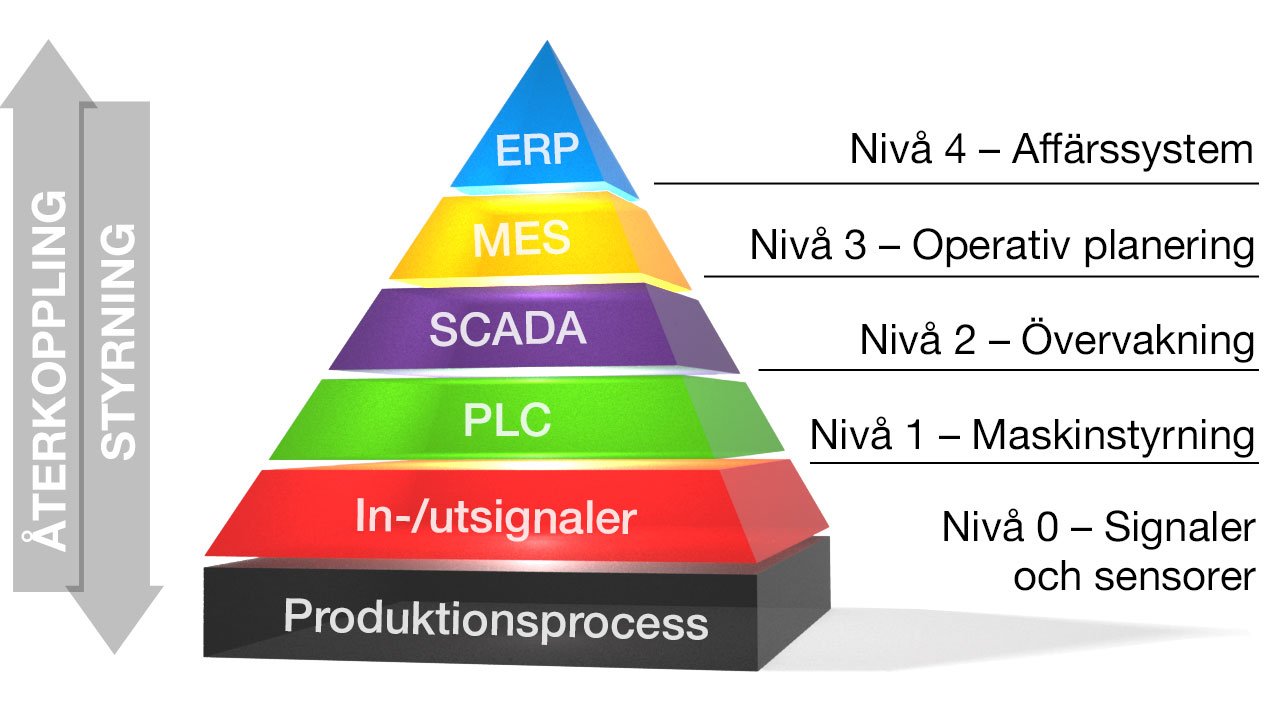
Recent national threat advisories published jointly by the Cybersecurity and Infrastructure Security Agency (CISA), the Environmental Protection Agency (EPA), and state homeland security departments have illuminated systemic vulnerabilities across municipal systems. Hostile cyber threat actors, including foreign state-sponsored groups and criminal ransomware cartels, have systematically targeted small-to-midsize utilities, exploiting default factory passwords, unpatched remote-access software, and legacy supervisory control and data acquisition (SCADA) architectures.
Unlike major metropolitan utility districts that command multi-million-dollar cybersecurity divisions, smaller municipal utility boards often operate with minimal dedicated IT personnel. Water plant operators are skilled civil and chemical engineers, but frequently lack formal training in network defense, making their connected control valves and chemical dosing systems prime targets for remote tampering.

State Legislative Interventions and Mandatory Defense Standards
Codifying Zero-Trust Architecture in Municipal Operating Permits
In response to escalating cyber probes, state legislatures are moving past voluntary guidance and codifying mandatory cybersecurity performance baselines into state utility licensing statutes. In states such as Pennsylvania, Texas, and Ohio, failure to meet foundational cyber hygiene requirements now carries regulatory enforcement penalties, including conditional operating permits and administrative fines.
At the core of these legislative mandates is the implementation of zero-trust architecture across critical operational technology (OT). New state administrative codes require that municipal water and wastewater authorities eliminate all default administrative credentials, enforce multi-factor authentication (MFA) across every remote administrative gateway, and maintain complete physical or cryptographic network segmentation between enterprise billing networks and operational pumping controls.
Furthermore, state regulations are requiring utility managers to conduct mandatory vulnerability assessments every twelve months, certified by accredited third-party cybersecurity auditors. These audits must verify that industrial controllers cannot be accessed directly via public internet search engines and that emergency manual override levers remain fully functional in the event of total network failure.
State Cyber Command Centers and Municipal Shared Services
Bridging the Resource Deficit with Centralized Monitoring
Recognizing that local town councils and rural water authorities cannot afford dedicated internal security operations centers (SOCs), state governments are pioneering centralized 'shared defense' models. State departments of emergency management and state national guard cyber units are deploying managed monitoring services that bridge the municipal resource gap.
Under these cooperative frameworks, state-funded endpoint detection and response (EDR) sensors are deployed across municipal networks at zero cost to local taxpayers. Telemetry from water treatment plants, municipal dispatch centers, and public power stations is streamed securely into state cyber command centers. When automated threat detection algorithms identify anomalous login attempts, unauthorized port scans, or lateral privilege escalations, state incident response teams immediately contact local operators to quarantine affected endpoints.
In Maryland, Wisconsin, and Washington, state legislatures have established dedicated 'Municipal Cyber Resilience Grant Funds.' These grant programs distribute capital directly to small jurisdictions to replace obsolete programmable logic controllers (PLCs), upgrade obsolete operating systems, and conduct hands-on tabletop incident response simulations with local emergency crews.

Mandatory Breach Disclosure and Coordinated Public Defense
Standardizing State Emergency Telemetry Timelines
A critical cornerstone of modernized state cybersecurity legislation is the eradication of confidential or delayed incident reporting. Historically, local utilities frequently hesitated to disclose ransomware infections or unauthorized network intrusions, fearing public alarm, administrative penalties, or reputational damage.
New statutory frameworks enacted across twenty-eight states establish mandatory notification windows, requiring any operator of critical civic infrastructure to report suspected cyber incidents to the state emergency operations center within 12 to 24 hours of detection. This rapid telemetry sharing enables state cyber authorities to identify coordinated attack campaigns across multiple jurisdictions and deploy defensive signatures before other municipal facilities are breached.
State cybersecurity leaders emphasize that protecting local water, power, and emergency infrastructure is an indispensable pillar of domestic civic defense. By establishing clear regulatory accountability, funding centralized shared monitoring, and treating municipal cyber resilience as essential public safety infrastructure, state agencies are securing the vital systems that underpin community life.
Verified Public Records & Statutory Citations
This investigative monograph was compiled through primary document review of state regulatory dockets, agency filings, and legislative committee hearing transcripts. Primary statutory references include Federal Energy Regulatory Commission (FERC) and state public service commission dockets, Department of Transportation (DOT) commercial testing authorizations, and National Telecommunications and Information Administration (NTIA) broadband deployment milestones.