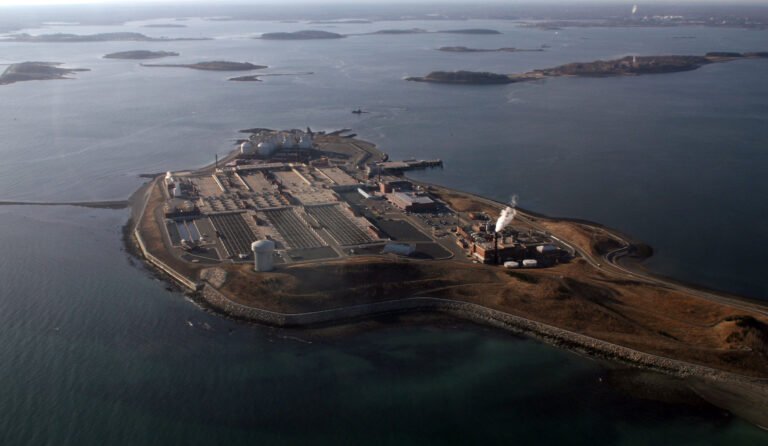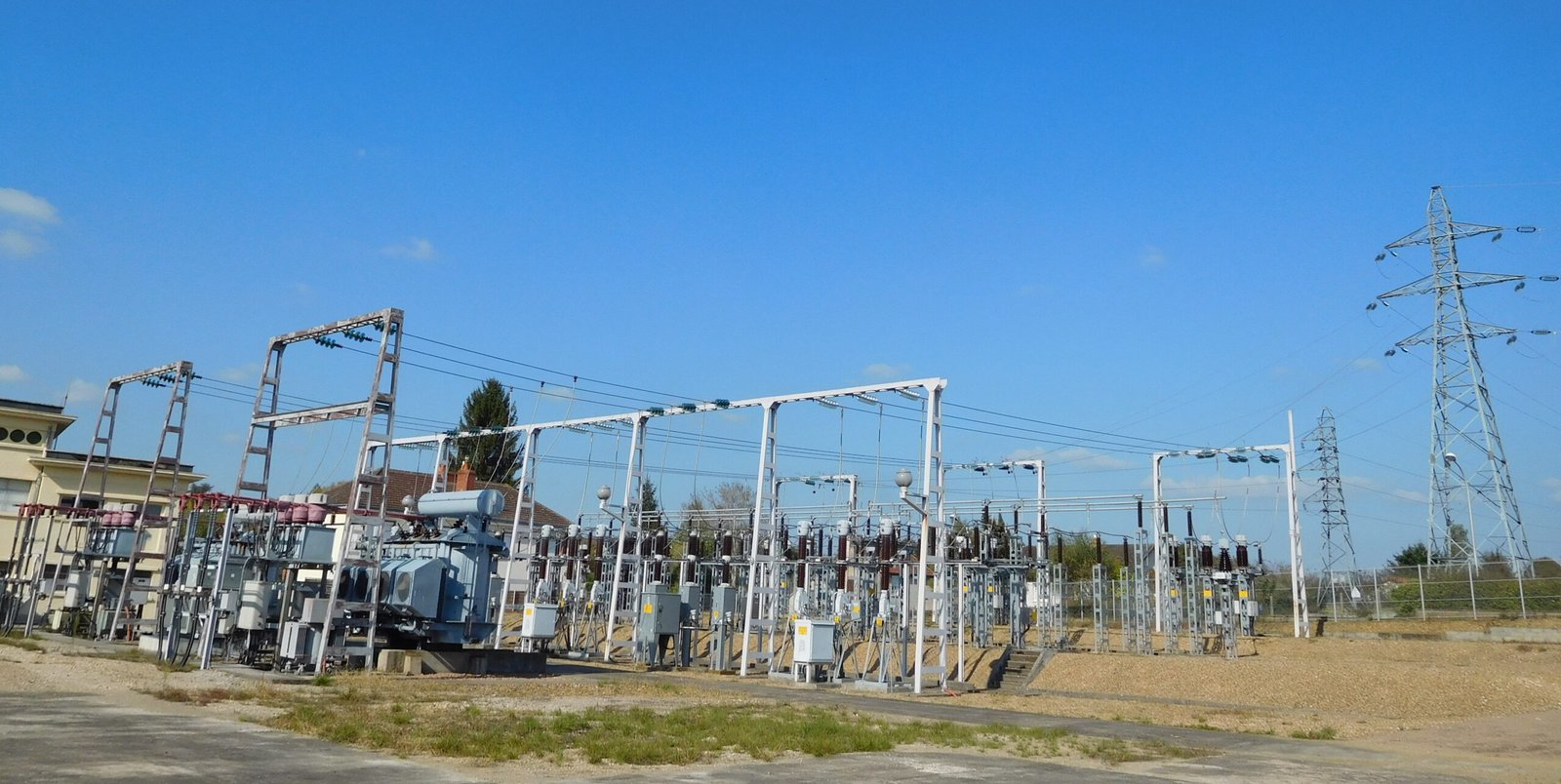
Across northern Virginia, central Ohio, and the Pacific Northwest, explosive compute demand from hyperscale artificial intelligence datacenters is forcing state utility commissions to balance unprecedented industrial electric loads against residential ratepayer protections and statutory clean energy mandates.
Key Regulatory Takeaways & Policy Impact
- Interconnection Queues: Regional transmission operators report commercial datacenter interconnection requests exceeding 35 gigawatts through 2028, necessitating multi-billion-dollar substation upgrades.
- Ratepayer Firewalls: State public service commissions are instituting strict large-load tariff classes to prevent commercial power infrastructure costs from shifting onto residential consumer bills.
- Behind-the-Meter Generation: Technology operators are increasingly required to co-locate utility-scale battery energy storage systems (BESS) and explore dedicated on-site generation agreements.
The Unprecedented Surge in Industrial Electrical Load
Regional Transmission Interconnections and Grid Strain
The rapid deployment of generative artificial intelligence architectures has fundamentally altered the trajectory of municipal and regional electrical planning across the United States. In major technology corridors—most notably northern Virginia's 'Data Center Alley,' the Columbus metropolitan basin in Ohio, and Oregon's Columbia River Gorge—electric utilities are confronting load growth rates unseen since the post-war industrial expansion of the mid-twentieth century.
Data compiled by regional transmission organizations (RTOs), including PJM Interconnection and the Midcontinent Independent System Operator (MISO), indicates that datacenter interconnection queues have more than doubled over the past twenty-four months. Hyperscale server campuses, which historically requested 20 to 50 megawatts of peak capacity, are now routinely filing interconnection applications for 500 megawatts to over one gigawatt per campus. Such concentrated demand represents the electrical equivalent of powering hundreds of thousands of residential households from a single geographic substation footprint.
State public utility regulators are caught between competing statutory obligations. On one hand, economic development authorities actively recruit technology infrastructure investments, citing expanded commercial property tax bases that fund public education and local infrastructure. On the other hand, utility commissions are legally mandated to preserve electric system reliability and prevent unjust, unreasonable rate hikes on residential and small commercial ratepayers.

Public Service Commission Scrutiny and Ratepayer Protections
Establishing Dedicated High-Density Load Tariffs
To insulate standard consumers from the capital expenditure required to reinforce high-voltage transmission lines and construct dedicated sub-stations, state utility commissions have begun establishing specialized tariff structures. In Virginia, the State Corporation Commission (SCC) has opened extensive docket proceedings evaluating Dominion Energy’s integrated resource plan, scrutinizing how hundreds of millions of dollars in new 500-kilovolt transmission lines should be allocated.
Consumer advocacy divisions within state attorneys general offices have argued forcefully that hyperscale commercial developers must bear the full marginal cost of dedicated electrical capacity. Without explicit ratepayer firewalls, general transmission enhancement charges are distributed across all rate classes, effectively forcing residential families to cross-subsidize the immense energy appetite of international technology conglomerates.
Regulatory precedents established in 2025 and early 2026 mandate that developers enter into binding minimum-take contracts, requiring guaranteed demand charges regardless of actual energy drawn during ramp-up phases. Furthermore, commissions are requiring developers to post substantial financial collateral before regional utilities break ground on multi-year transmission infrastructure expansions.
Clean Energy Commitments Collide with Baseload Realities
Behind-the-Meter Solar, Battery Storage, and Firm Power
The unprecedented electrical load has also triggered intense debate over state clean energy compliance. Dozens of states have enacted binding statutory targets requiring 100 percent carbon-free electricity by 2040 or 2045. However, the relentless 24/7/365 operational profile of high-performance computing clusters cannot be sustained exclusively by intermittent solar and wind generation without massive energy storage reserves.
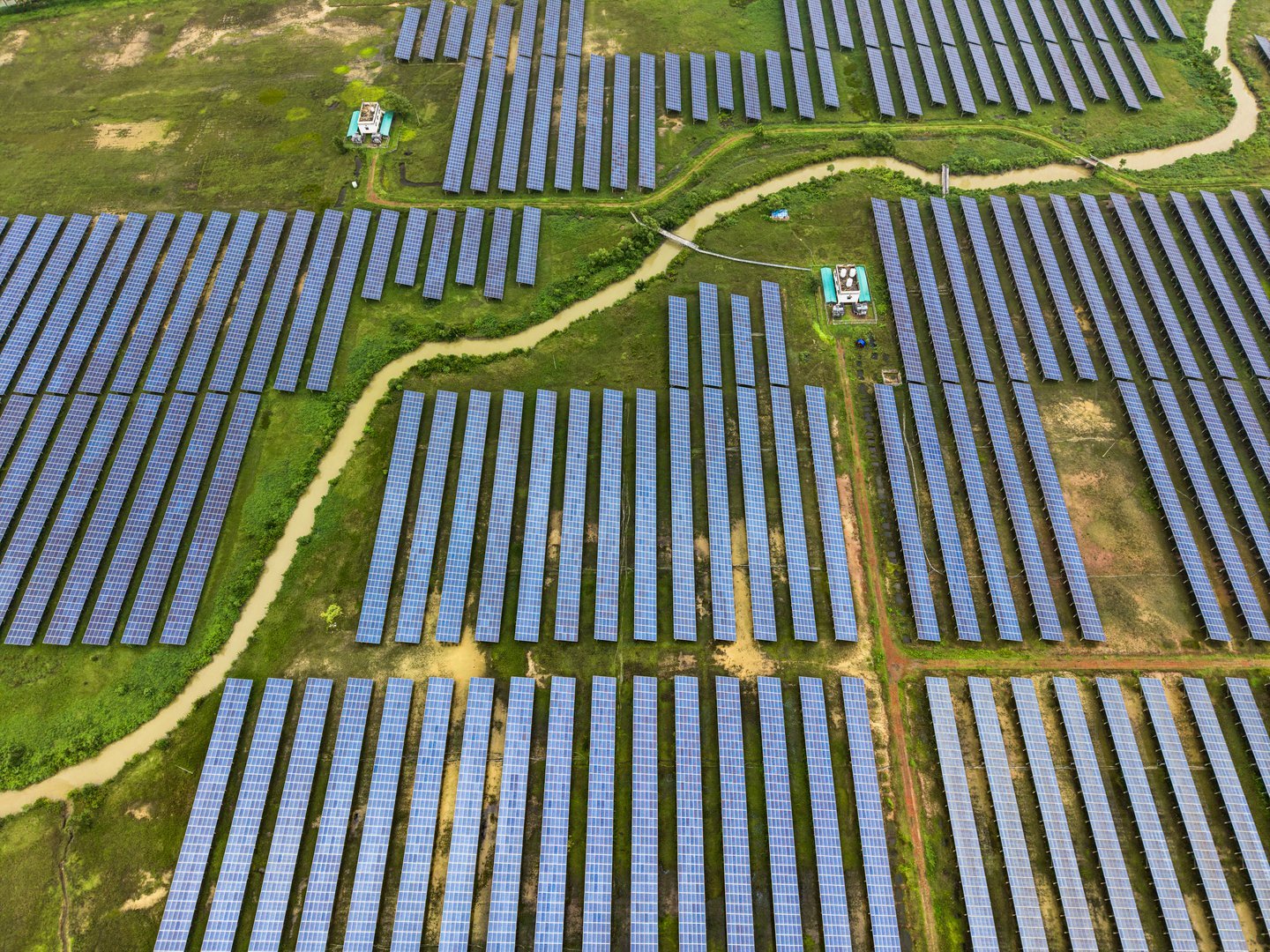
To bridge this operational deficit without delaying state decarbonization timelines, forward-looking states are pioneering behind-the-meter hybrid generation frameworks. In Nevada and Arizona, state energy offices have approved industrial pilot tariffs that permit datacenters to construct private, four-hour to eight-hour lithium-iron-phosphate (LFP) battery storage facilities co-located directly with utility-scale solar arrays. These battery systems absorb surplus mid-day renewable generation and inject power into compute clusters during evening peak net-load hours, effectively shaving transmission peaks.
Concurrently, advanced discussions surrounding Small Modular Reactors (SMRs) and next-generation geothermal energy have transitioned from conceptual feasibility studies into active state licensing dockets. State legislatures in Wyoming, Idaho, and Tennessee have updated advanced nuclear regulatory statutes, positioning industrial corridors to host dedicated, carbon-free baseload energy assets that operate independently of municipal utility lines.
Statutory Oversight and the Long-Term Energy Horizon
Balancing Economic Expansion with Long-Term Grid Resilience
As state legislatures navigate the evolving infrastructure landscape, the regulatory consensus centers on transparency, rigorous public hearings, and modernized integrated resource planning. The National Association of Regulatory Utility Commissioners (NARUC) has convened multi-state working groups to establish standardized accounting guidelines for large-load industrial customers.
State policy analysts emphasize that artificial intelligence infrastructure will continue to shape regional capital planning for decades to come. By enacting proactive tariff safeguards, enforcing developer-funded interconnection upgrades, and accelerating behind-the-meter clean generation, state regulatory agencies are establishing a balanced paradigm that preserves grid reliability while protecting public consumer interests.
Verified Public Records & Statutory Citations
This investigative monograph was compiled through primary document review of state regulatory dockets, agency filings, and legislative committee hearing transcripts. Primary statutory references include Federal Energy Regulatory Commission (FERC) and state public service commission dockets, Department of Transportation (DOT) commercial testing authorizations, and National Telecommunications and Information Administration (NTIA) broadband deployment milestones.