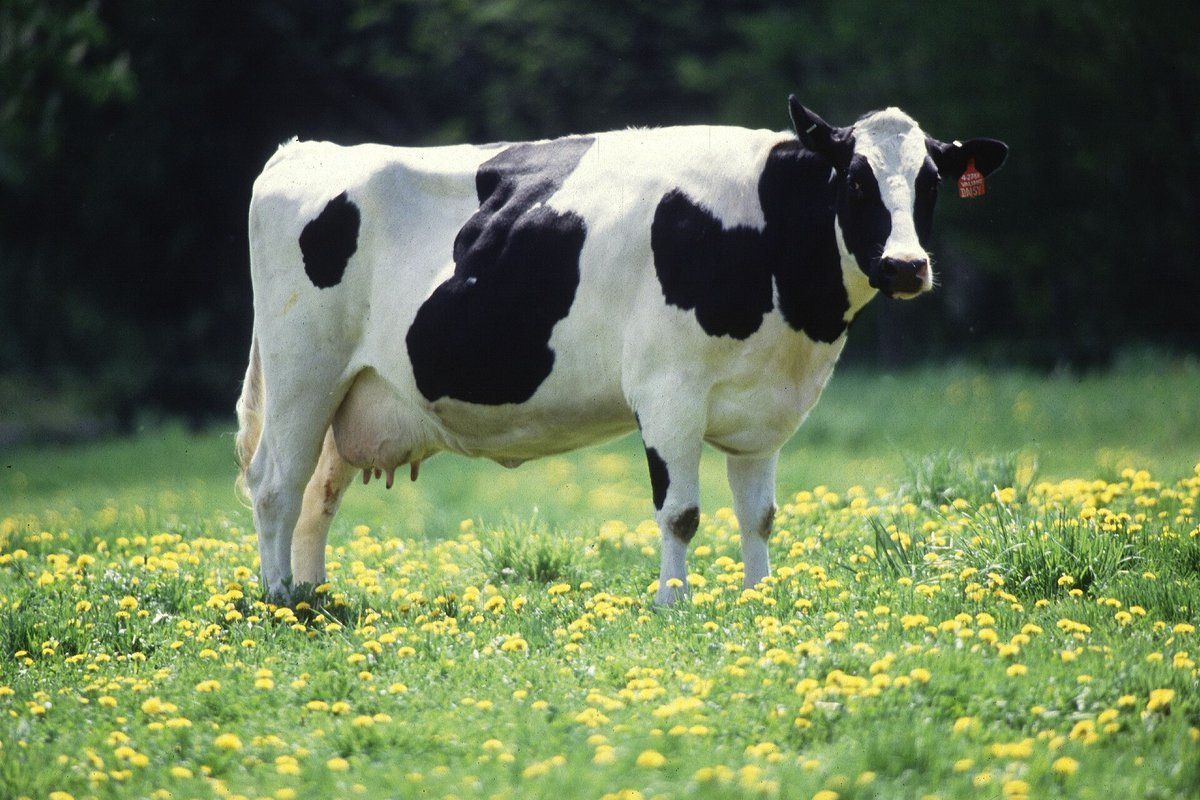
Wisconsin’s $45 billion dairy industry—anchoring more than 1.2 million dairy cows and generating over a quarter of the nation’s total cheese production—stands at the center of a fundamental technological and ecological restructuring. Confronted by severe agricultural labor shortages, volatile milk price margins, and intense environmental scrutiny over non-point source nutrient pollution in vulnerable hydrogeological landscapes, Wisconsin dairy producers are rapidly transitioning toward precision agricultural automation. Under statutory frameworks administered by the Wisconsin Department of Agriculture, Trade and Consumer Protection (DATCP) and the Wisconsin Department of Natural Resources (DNR), dairy enterprises are deploying automated robotic milking systems (AMS), computerized individual cow health monitors, and commercial anaerobic digestion systems that convert dairy manure into pipeline-grade renewable natural gas (RNG). Concurrently, in hydrogeologically fragile karst regions like eastern Wisconsin’s Silurian dolomite bedrock, the state has instituted binding winter manure spreading restrictions and producer-led watershed protection networks. This convergence of precision technology and regulatory discipline is modernizing Wisconsin family farms while safeguarding the state’s vital potable groundwater aquifers.
The Precision Agriculture Transition: Robotic Milking Systems and Automated Herd Welfare
The rapid adoption of automated milking systems across Wisconsin family farms is driven primarily by profound demographic and labor market shifts across rural Upper Midwest communities. Conventional commercial dairy farming is inherently labor-intensive, requiring multiple milking shifts scheduled around the clock. Over the past decade, escalating rural wage rates and persistent shortages of experienced farm labor have challenged the long-term operational viability of traditional tie-stall and parlor operations.
Precision robotic milking systems fundamentally alter daily farm management. Instead of farm laborers gathering cows into centralized milking parlors, cows voluntarily enter robotic milking stalls throughout the day, incentivized by formulated feed pellets. Advanced optical sensors and laser guidance systems map the cow’s udder anatomy, automatically sanitize the teats, and attach individualized milking cups without human intervention. During each milking event, integrated computerized analytical meters measure milk conductivity, butterfat and protein content, flow rate, and somatic cell counts, instantly detecting subclinical mastitis or metabolic abnormalities before clinical symptoms manifest.
Furthermore, biometric collar transponders track rumination time, daily steps, and resting cycles for every animal in the herd. This granular data is processed by cloud-based herd management platforms that generate predictive health alerts, enabling herd managers to provide targeted medical attention, optimize nutritional rations, and enhance reproductive efficiency. By reducing labor overhead and increasing per-cow production efficiency, robotic milking allows multi-generational family farms to remain economically competitive without dramatically expanding herd sizes.
Anaerobic Digester Engineering: Manure Biogas Capture and Circular Nutrient Management
Managing the immense volumetric output of bovine manure represents both an environmental challenge and a substantial commercial opportunity. A mature dairy cow produces approximately 120 pounds of manure daily. In conventional open manure storage lagoons, the anaerobic breakdown of organic waste generates substantial atmospheric emissions of methane, a potent greenhouse gas with a global warming potential over 28 times greater than carbon dioxide over a 100-year horizon.
To eliminate these fugitive emissions, modern Wisconsin dairy facilities are increasingly installing on-farm anaerobic digester systems. Manure is flushed or scraped continuously into sealed, insulated anaerobic digestion tanks heated to approximately 101 degrees Fahrenheit (mesophilic digestion). Inside the oxygen-deprived environment, specialized methanogenic bacteria break down volatile solids, capturing raw biogas consisting of approximately 60 percent methane and 40 percent carbon dioxide.
Through advanced gas purification and desulfurization systems, the captured biogas is upgraded into renewable natural gas (RNG) meeting strict pipeline specifications, which is then injected directly into commercial interstate natural gas transmission lines or utilized to generate carbon-negative electricity. Simultaneously, the remaining digested effluent passes through mechanical screw-press separators: the solid fibrous byproduct is pasteurized and repurposed as sterile, comfortable organic cattle bedding, while the nutrient-rich liquid fraction is stored in engineered storage structures for precision agronomic soil injection.

| Modernization Technology | Primary Function & Engineering | Regulatory / Policy Standard | Environmental & Operational Benefit | Adoption Scale in Wisconsin |
|---|---|---|---|---|
| Automated Milking Systems (AMS) | Laser-guided voluntary robotic milking & milk analytics | DATCP Grade ‘A’ Dairy Farm Sanitary Standards | Eliminates manual milking shifts; early disease detection | Over 1,200 commercial robotic units deployed statewide |
| Anaerobic Biogas Digesters | Sealed thermophilic/mesophilic methane capture & RNG upgrading | NRCS Conservation Practice Standard 366 | Captures fugitive methane; generates renewable energy revenue | Over 50 large-scale utility-intertied dairy digesters |
| Precision Low-Disturbance Manure Injection | Direct sub-surface nutrient placement at root zone | Wisconsin Admin. Code NRCS 590 Nutrient Management | Reduces ammonia volatilization by 70%; minimizes surface runoff | Standard practice on high-acreage CAFO operations |
| Targeted Karst Runoff Restrictions | Depth-to-bedrock manure spreading prohibitions | Wisconsin Admin. Code NR 151 (Targeted Performance Standards) | Prevents direct pathogen & nitrate contamination of potable aquifers | Mandatory in eastern Wisconsin karst priority counties |
| Multi-Species Winter Cover Cropping | Rye, clover & radish cover establishment post-harvest | DATCP Producer-Led Watershed Protection Grants | Sequesters residual nitrogen; increases organic soil carbon | Over 1.1 million acres of cover crops planted annually |
Karst Hydrogeology and Groundwater Vulnerability in Eastern Wisconsin
While precision technological investments enhance barnyard efficiency, agricultural land application of liquid manure intersects with severe hydrogeological vulnerabilities across eastern Wisconsin. Geologically, counties along Lake Michigan—including Kewaunee, Door, Manitowoc, and Brown—are characterized by Silurian dolomite bedrock situated extremely close to the surface, frequently covered by less than five feet of topsoil.
This karst limestone formation is heavily fractured with vertical joints, sinkholes, and subterranean dissolution channels. Unlike deep sandy or clay soils that provide biological filtration, thin soils over karst bedrock offer negligible filtration capacity. When heavy volumes of liquid dairy manure are applied to fields above fractured bedrock, precipitation events can cause rapid, unfiltered downward migration through karst fissures directly into the underlying potable groundwater aquifer within hours, contaminating private drinking water wells with elevated nitrates and bacterial coliform pathogens.
To eliminate this threat to public health, the Wisconsin Natural Resources Board promulgated targeted agricultural performance standards under Wisconsin Administrative Code Chapter NR 151.075. These binding administrative rules establish strict spatial restrictions on agricultural manure applications in designated karst areas:
Prohibition on Thin Soils: Mechanical manure application is strictly prohibited on fields where bedrock is located less than 24 inches from the surface.
Depth-Graduated Application Rates: On fields with two to five feet of soil over bedrock, liquid manure applications are subject to mandatory seasonal volume caps, pre-application soil moisture tests, and mandatory incorporation into the soil profile within 24 hours.
Winter Spreading Bans: Applying untreated manure on frozen or snow-covered ground within designated karst areas is strictly outlawed, requiring farms to maintain a minimum of six months of engineered manure storage capacity.

Soil Health Integration: Cover Cropping and Producer-Led Watershed Stewardship
Complementing state regulatory mandates, Wisconsin has pioneered a voluntary, grassroots conservation model through its Producer-Led Watershed Protection Grant program. Administered by DATCP under Wis. Stat. § 93.59, the initiative awards state matching funds directly to farmer-organized non-profit watershed coalitions, such as the Peninsula Pride Farms in Door and Kewaunee counties and the Yahara Pride Farms in the Yahara River watershed.
These producer-led coalitions focus heavily on continuous living cover through multi-species cover cropping. By planting cereal rye, winter wheat, radishes, and hairy vetch immediately following silage corn harvests, farmers maintain active vegetative root systems in the soil throughout the late autumn, winter, and early spring. The cover crop root networks absorb residual nitrogen and phosphorus that would otherwise leach into groundwater, stabilize fragile topsoil against erosion, and dramatically increase soil organic matter.
Through farmer-to-farmer peer education, on-farm field trials, and cost-share assistance for specialized equipment—such as high-clearance cover crop seeders and no-till planting drills—Wisconsin producers have expanded cover crop adoption to over 1.1 million acres annually. University of Wisconsin-Madison agronomic research demonstrates that fields utilizing continuous no-till and winter cover crops reduce surface phosphorus runoff by over 80 percent and significantly curtail nitrate infiltration.
Comprehensive Nutrient Management and Long-Term Agricultural Sustainability
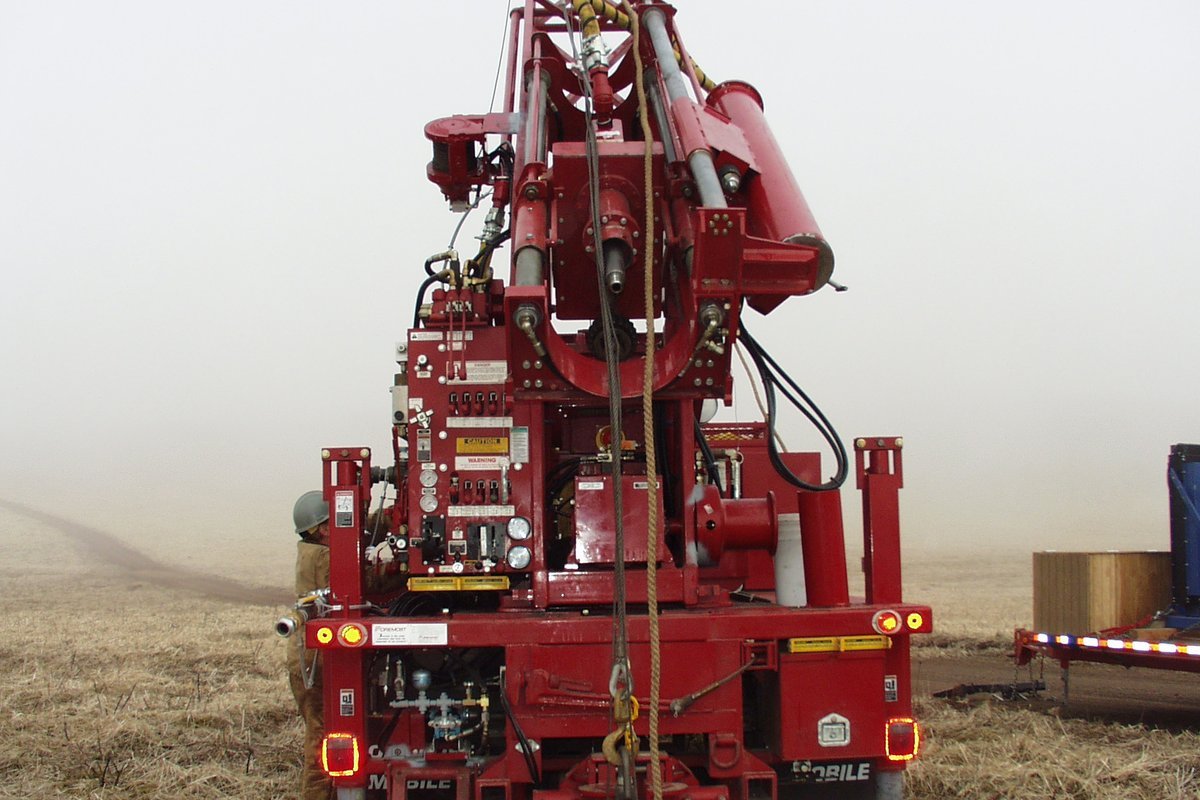
Under Wisconsin Administrative Code Chapter ATCP 50, all concentrated animal feeding operations (CAFOs) with 1,000 or more animal units, as well as family-scale farms participating in state cost-share programs, must develop and strictly execute an enforceable Nutrient Management Plan (NMP) compliant with the USDA Natural Resources Conservation Service (NRCS) 590 Practice Standard.
These computerized plans utilize soil chemistry testing conducted every four years, field-specific topography, and crop rotation schedules to calculate precise nitrogen and phosphorus limits for every agricultural acre. Farmers utilize GPS-guided precision application equipment to match liquid manure application rates to exact plant uptake capacity, preventing soil nutrient saturation.
Wisconsin’s dairy industry demonstrates that modern agricultural production and environmental conservation are not mutually exclusive. By uniting robotic milking technology, commercial biogas recovery, strict karst groundwater regulations, and proactive soil health conservation, Wisconsin is forging a durable path forward. This integrated model preserves the economic foundation of America’s Dairyland while ensuring that the pristine waters of the Great Lakes and regional groundwater aquifers remain secure for generations to come.