Enacted under landmark legislation signed by Governor Tim Walz in 2023, Minnesota has committed to one of the most ambitious statutory clean energy trajectories in the United States: mandating 100 percent carbon-free electricity across all retail electric utilities by 2040. Codified under Minnesota Statutes § 216B.1691, the Clean Energy Standard sets strict interim benchmarks—including 80 percent carbon-free power by 2030 and 90 percent by 2035—while confronting severe sub-zero winter heating demands across the Upper Midwest. Through proactive regulatory restructuring overseen by the Minnesota Public Utilities Commission (PUC), innovative sovereign clean energy compacts with Native American Tribal Nations, and major capacity investments in cold-climate high-voltage transmission, Minnesota is proving how an energy-intensive northern manufacturing state can eliminate fossil fuel generation while maintaining absolute grid reliability during extreme polar vortex conditions.
The 2040 Clean Energy Standard: Statutory Architecture and Utility Compliance
Minnesota’s transition from legacy coal-fired generation to clean energy is governed by Chapter 60 of the 2023 Session Laws, which amended the state’s Renewable Energy Standard into a comprehensive, technology-inclusive Clean Energy Standard. Unlike narrower mandates that restrict eligible generation exclusively to wind and solar, Minnesota’s statutory framework recognizes all generation technologies that produce electricity without emitting carbon dioxide, including existing commercial nuclear generation, hydroelectricity, and certified renewable hydrogen.
The state’s two largest investor-owned utilities—Xcel Energy and Minnesota Power—have actively accelerated their integrated resource plans (IRPs) to comply with the statutory milestones. Xcel Energy, serving 1.3 million electric customers across the Twin Cities metropolitan area and central Minnesota, has officially retired its Sherburne County Generating Station (Sherco) Units 1 and 2, formerly the largest coal-fired power plant in the Upper Midwest. In its place, Xcel is deploying the Sherco Solar project, a 710-megawatt solar generation and multi-day battery storage facility that leverages existing high-voltage interconnection infrastructure to deliver clean energy directly to the regional grid.
Simultaneously, Minnesota Power, which supplies intensive industrial power to the iron ore mining and taconite processing facilities along the Mesabi Iron Range, has restructured its generation portfolio to exceed 70 percent renewable energy ahead of the 2030 benchmark. By negotiating specialized clean industrial tariffs approved by the PUC, Minnesota Power has demonstrated that high-load heavy industrial manufacturing can maintain cost competitiveness while operating on decarbonized generation assets.
Nuclear Baseload and Federal Relicensing: The Foundation of Northern Reliability
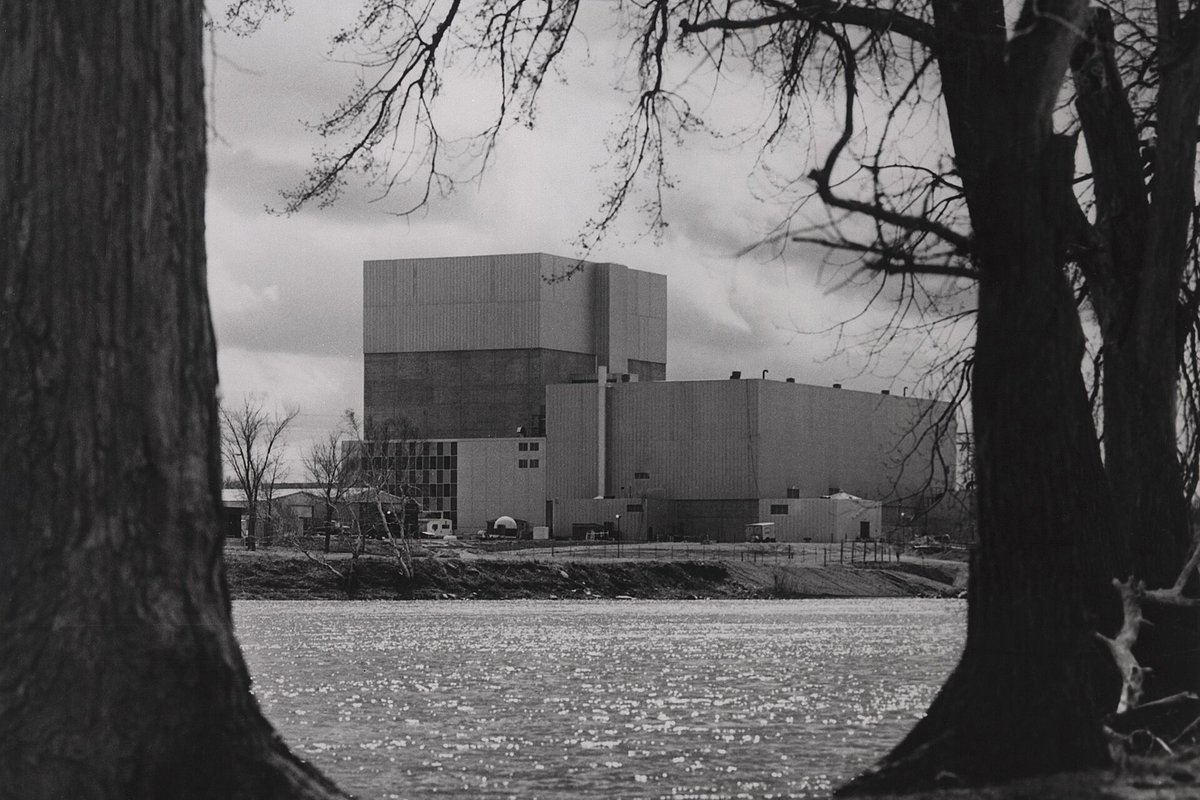
A critical pillar of Minnesota’s ability to meet the 100 percent clean energy mandate is the preservation of its carbon-free nuclear generation assets. Nuclear power accounts for approximately 24 percent of the state’s total electricity supply, generated by two commercial facilities: the Monticello Nuclear Generating Plant (671 MW) on the Mississippi River and the Prairie Island Nuclear Generating Plant (1,040 MW) in Red Wing.
Under Minnesota Statutes § 216B.243, the operation and expansion of on-site dry cask spent fuel storage historically required rigorous legislative approval. Recognizing that intermittent wind and solar cannot alone support baseload demand during multi-week winter atmospheric inversions, state regulators and lawmakers have supported Xcel Energy’s applications to the federal Nuclear Regulatory Commission (NRC) for 20-year operating license extensions. Monticello has secured regulatory clearance to operate through 2050, while Prairie Island’s dual reactors are positioned to operate through 2053 and 2054.
These nuclear extensions provide critical dispatchable inertia and reactive power support to the Midcontinent Independent System Operator (MISO) regional grid. During winter cold snaps, when wind turbine output can drop due to freezing conditions and solar output is constrained by low winter solar angles, Minnesota’s nuclear facilities operate at capacity factors exceeding 95 percent, anchoring the northern grid against cascading blackout risks.
| Utility / Energy Provider | Customer Base | Current Clean Energy Share (2026) | Primary Decarbonization Mechanism | Target Compliance Year |
|---|---|---|---|---|
| Xcel Energy Minnesota | 1,320,000 retail customers | 68% Carbon-Free | Sherco Solar expansion & nuclear license extensions | 100% by 2040 (85% by 2030) |
| Minnesota Power (ALLETE) | 150,000 industrial & retail | 72% Carbon-Free | Great Northern Transmission Line & wind repowering | 100% by 2035 (Accelerated) |
| Otter Tail Power | 65,000 western rural | 58% Carbon-Free | Merricourt & Astoria Station hybrid natural gas balancing | 100% by 2040 |
| Great River Energy (G&T Coop) | 28 distribution cooperatives | 62% Carbon-Free | Coal Creek plant sale & 900 MW wind contract additions | 100% by 2040 |
| Prairie Island Indian Community | Tribal Nation (Sovereign) | 100% Net-Zero Community | Net Zero Project solar microgrid & geothermal district | Achieved (Tribal Model) |
Cold-Climate Heat Pump Adoption and MISO Interregional Transmission Infrastructure
Deep decarbonization across the northern plains hinges critically upon electrifying building heating loads without triggering catastrophic winter electric peak demands. Under the Natural Gas Innovation Act (Minn. Stat. § 216B.2427) and Department of Commerce energy conservation frameworks, Minnesota utilities are partnering with the Center for Energy and Environment (CEE) to accelerate the deployment of cold-climate air-source heat pumps (ccASHPs) engineered with variable-speed inverter-driven compressors that maintain heating coefficients of performance (COP) above 1.8 even at minus 15 degrees Fahrenheit.
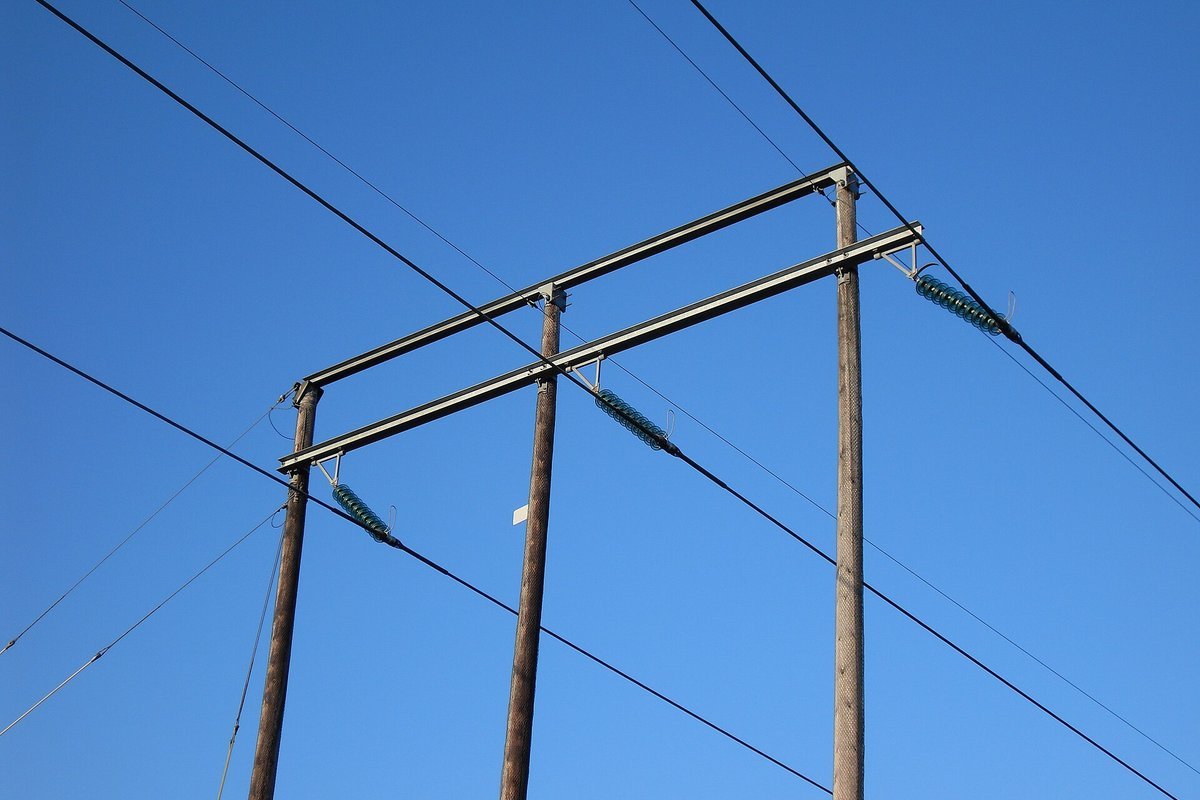
To deliver clean power reliably during sub-zero polar vortex conditions, Minnesota utilities have committed billions to MISO’s Long-Range Transmission Planning (LRTP) Tranche 1 portfolio. High-voltage 345-kV and 765-kV lines connecting western Minnesota, the Dakotas, and Iowa provide regional geographical diversity: when severe cold and low wind stall turbine generation in the Red River Valley, interregional transmission feeds import clean wind and solar power from the southern plains. Furthermore, automated grid dynamic line rating (DLR) sensors installed across transmission corridors take advantage of frigid ambient winter air to safely increase the power-carrying capacity of existing transmission wires by up to 25 percent during peak demand hours.
Tribal Clean Energy Sovereignty: The Prairie Island Net Zero Initiative
Minnesota’s energy transition is legally and ethically intertwined with sovereign Native American Tribal Nations across the state. The most prominent example of tribal energy leadership is the Prairie Island Indian Community (Mdewakanton Dakota), whose reservation borders the Prairie Island Nuclear Generating Plant and its dry cask nuclear waste storage pads.
Through bipartisan legislation enacted under the Prairie Island Net Zero Project (Minn. Stat. § 216C.375), the state appropriated $46 million from the Renewable Development Account to support the tribe’s comprehensive energy independence plan. The tribe has deployed advanced rooftop and ground-mounted solar arrays, municipal geothermal heating districts for tribal administrative buildings and residential homes, and integrated battery energy storage systems.
Similarly, the White Earth Nation, the Leech Lake Band of Ojibwe, and the Fond du Lac Band of Lake Superior Chippewa have established sovereign utility authorities to develop utility-scale community solar gardens, weatherize rural reservation housing stock, and participate as equity co-owners in regional transmission lines. By enshrining tribal consultation requirements into PUC Certificate of Need proceedings, Minnesota has established a precedent for respecting indigenous sovereignty within clean infrastructure development.

Nuclear Spent Fuel Storage Architecture and Geothermal District Integration
As Minnesota’s clean energy transition progresses toward the 2040 mandate, the long-term stewardship of spent nuclear fuel at the Prairie Island and Monticello generation facilities remains a central regulatory and tribal priority. Under Minnesota Statutes § 216B.2444, commercial utilities must maintain rigorous dry-cask storage isolation protocols utilizing reinforced steel and high-density concrete storage canisters engineered to withstand seismic events, tornado projectile impacts, and severe thermal fluctuations. To foster regional community equity, the state legislature expanded funding for the Prairie Island Renewable Energy Economic Development Council, directing nuclear facility impact fees toward tribal community microgrids and clean district heating initiatives.
In parallel, municipal utilities across the Twin Cities are integrating large-scale geothermal heat pump networks within major civic redevelopments, such as the Ford Twin Cities Assembly Plant revitalization (Highland Bridge) in Saint Paul. By coupling ground-source geothermal loops with ambient-loop district water systems, residential and commercial buildings exchange thermal energy efficiently, slashing winter electrical heating demands. This integrated dual-track architecture—combining dependable nuclear baseload generation with municipal district geothermal efficiency—ensures that Minnesota maintains an ultra-reliable, zero-carbon grid capable of weathering the harshest continental winter conditions.