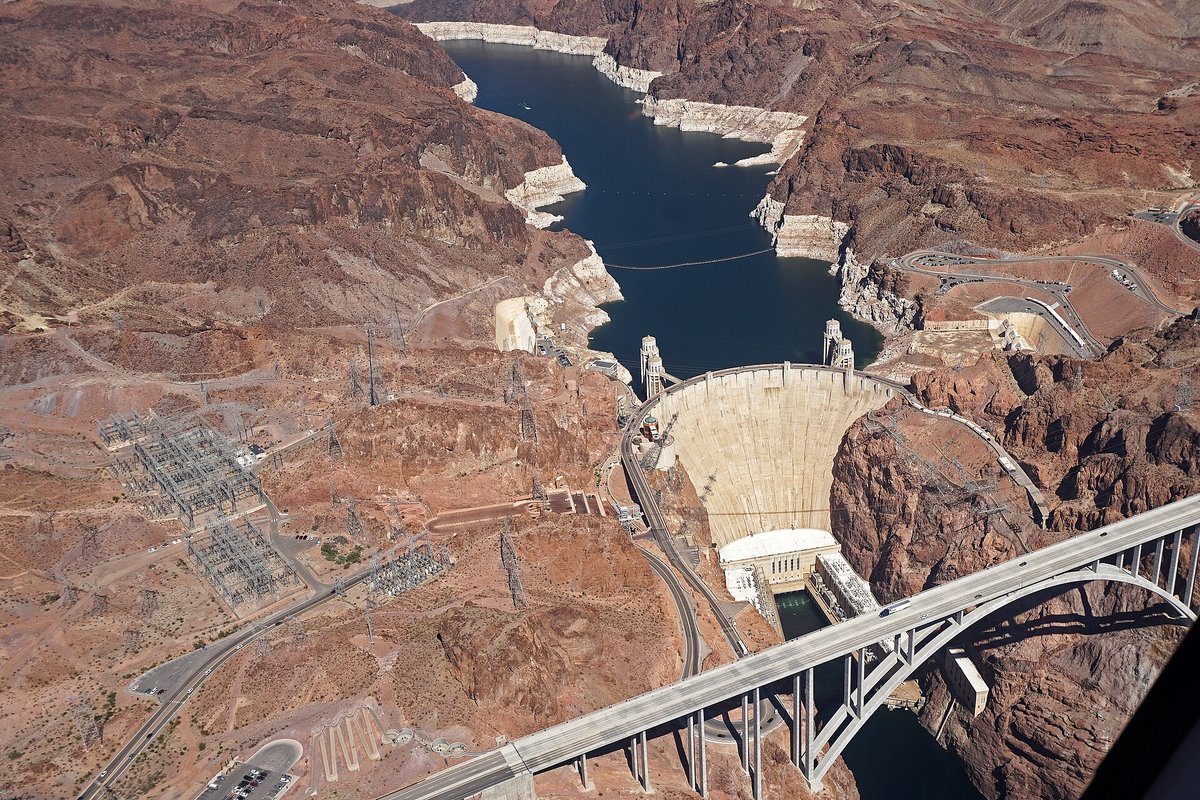
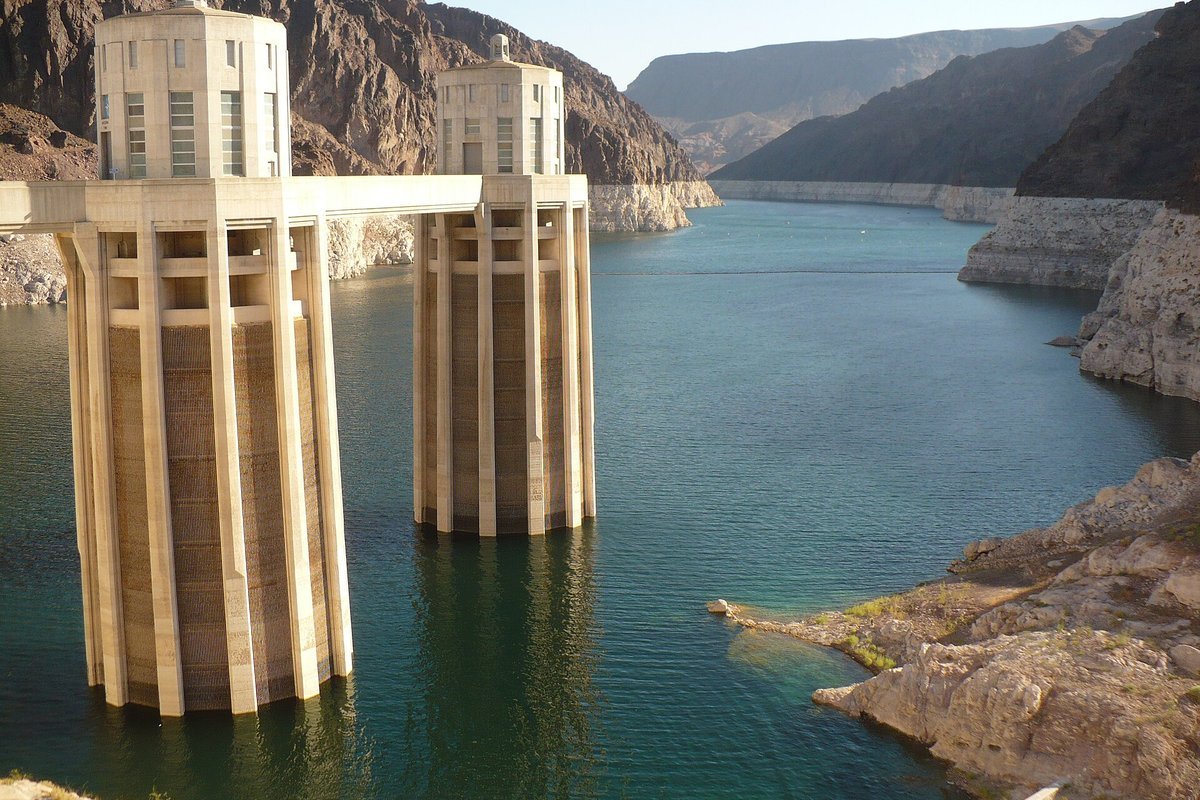
As the primary headwaters state for over forty million residents across the American West, Colorado stands at the vanguard of modern hydrological governance. Confronted by two decades of aridification and historic storage deficits in Lake Powell and Lake Mead, the Colorado General Assembly and the Colorado Water Conservation Board (CWCB) have enacted sweeping statutory modernizations under the Colorado Water Plan. Through targeted legislative mandates—most notably Senate Bill 23-295 and House Bill 24-1379—the state is pioneering a dual-track strategy: aggressively curbing municipal ornamental water demand through statewide non-functional turf prohibitions while constructing voluntary, compensated agricultural fallowing mechanisms. By decoupling municipal growth from raw volumetric consumption and fortifying Upper Basin legal rights, Colorado is demonstrating how western state’s can preserve agricultural heritage, safeguard municipal centers, and navigate interstate compact renegotiations without dismantling local rural economies.
The Modernized Colorado Water Plan: Legislative Architecture and Conservation Targets
The updated Colorado Water Plan represents a decisive departure from legacy water resource management, which historically prioritized engineered trans-basin diversion tunnels and surface storage reservoirs over end-use efficiency. Administered under the statutory authority of the Colorado Department of Natural Resources and the CWCB (pursuant to Colorado Revised Statutes § 37-60-106), the framework establishes binding statewide objectives to reduce municipal water consumption, expand water reuse systems, and close an estimated 400,000 acre-foot statewide supply gap projected by 2040.
At the center of this legislative apparatus is the aggressive containment of outdoor municipal water waste. Real estate and civic developments across the Front Range—encompassing the Denver Metropolitan Area, Colorado Springs, and Fort Collins—have historically allocated between 45 and 55 percent of treated potable water supplies to Kentucky bluegrass lawns. Under Senate Bill 23-295, the General Assembly established a statewide financial incentive framework paired with commercial and institutional landscaping bans that prohibit the installation of non-functional turf on all newly constructed commercial properties, road medians, and civic rights-of-way.
Municipal water utilities have rapidly operationalized these state standards. Denver Water, the state’s largest municipal provider serving 1.5 million customers, has restructured its rate architecture into an aggressive tiered consumption model while expanding direct cash incentives to $3.00 per square foot for turf removal. Coupled with advanced acoustic leak detection across municipal distribution networks and automated smart-meter rollouts, municipal Front Range water utilities have achieved an aggregate 14 percent reduction in per-capita daily consumption since 2021, proving that demographic expansion can be decoupled from raw water withdrawals.
Agricultural Water Leasing: Preserving Rural Economies Through Rotational Fallowing
While urban landscaping reforms address high-visibility consumption, agriculture accounts for approximately 86 percent of all diverted surface water in Colorado. Historically, western water law operated under the rigid doctrine of prior appropriation—often colloquially summarized as “use it or lose it.” Under this traditional framework, an agricultural producer who conserved water or left fields fallow risked having their historic water right challenged or deemed abandoned in regional water courts. Consequently, municipalities seeking to support suburban growth frequently engaged in “buy and dry” acquisitions: buying entire rural ranches, permanently drying up productive agricultural acreage, and transferring the water rights to municipal Front Range pipelines.
To eliminate this destructive dynamic, the General Assembly enacted alternative transfer method (ATM) legislation and expanded the Colorado Water Bank Act (C.R.S. § 37-80.5-101). These statutory protections empower agricultural irrigators in the Arkansas River Basin, the Grand Valley, and the San Luis Valley to enter into temporary, voluntary, and compensated water sharing agreements with municipal providers without forfeiting their underlying seniority.
Through rotational fallowing cooperatives, such as the Grand Valley Water Management Project, irrigators fallow a predetermined fraction of their alfalfa or corn acreage during peak summer months, allowing conserved water to flow downstream through the Grand Valley Diversion or into regional storage. Participating farmers receive market-rate compensation funded jointly by municipal utilities and state conservation grants, generating critical supplemental farm income while keeping the primary land and water right in rural family hands. This cooperative model preserves the agricultural tax base of Western Slope communities while generating flexible environmental flows during extreme dry years.
| Water Basin / Jurisdiction | Statutory Authority | Primary Conservation Mechanism | Projected 2026–2030 Savings | Implementation Status |
|---|---|---|---|---|
| Front Range Municipalities (Denver, Aurora, Fort Collins) | C.R.S. § 37-60-126 / SB 23-295 | Mandatory non-functional turf ban & tiered rate restructuring | 48,500 acre-feet / year | Fully Enacted & Municipalized |
| Grand Valley Irrigation Basin (Mesa County) | C.R.S. § 37-80.5-104 | Compensated rotational fallowing & canal lateral automation | 22,000 acre-feet / year | Active Multi-Year Compact |
| San Luis Valley Closed Basin (Rio Grande Headwaters) | SB 22-028 / Groundwater Subdistricts | Aquifer recovery fees & deep groundwater well retirements | 35,000 acre-feet / year | Binding Groundwater Subdistrict Orders |
| Arkansas River Valley (Pueblo to Lamar) | C.R.S. § 37-92-308 (Water Court ATMs) | Interruptible water supply agreements with municipal utilities | 18,500 acre-feet / year | Operational Flexible Leasing Contracts |
| Upper Colorado Mainstem (Grand County to Glenwood) | House Bill 24-1379 | State wetland protections & environmental instream flow leases | 12,000 acre-feet / year | State Regulatory Framework Active |
Groundwater Sustainability in the San Luis Valley: Recharging the Confined Aquifer
Nowhere in Colorado is the tension between agricultural production and hydrological limits more acute than in the San Luis Valley, a high-altitude agricultural basin spanning over 8,000 square miles between the Sangre de Cristo and San Juan mountain ranges. Producing approximately twenty percent of the nation’s commercial fresh-market potatoes, the valley relies heavily on center-pivot irrigation wells drawing from an unconfined shallow aquifer and a delicate, ancient confined aquifer system.
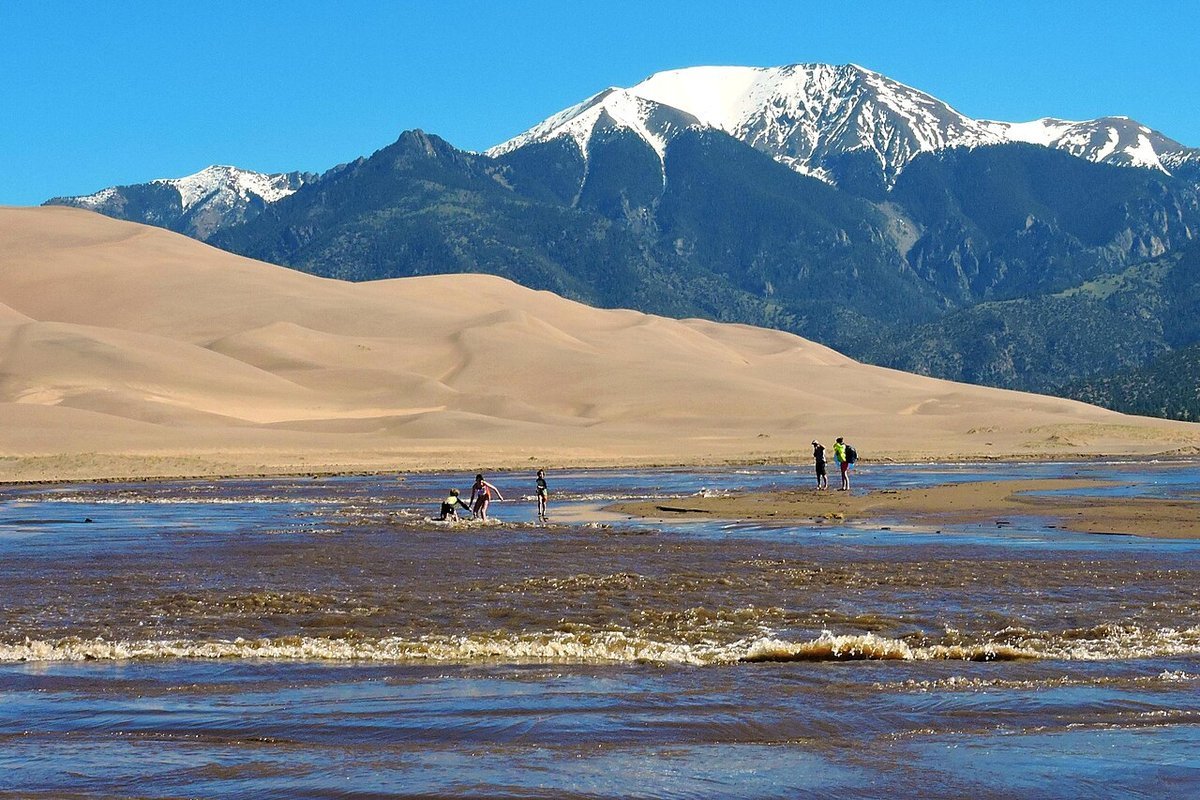
Decades of intensive pumping combined with persistent drought triggered severe depletion of the unconfined aquifer, threatening natural artesian springs, the Rio Grande Compact delivery obligations to New Mexico and Texas, and the unique ecological habitats of the Great Sand Dunes National Park. In response, local agricultural irrigators established Subdistrict No. 1 within the Rio Grande Water Conservation District (RGWCD). Rather than submitting to top-down court-ordered well shutoffs, the district instituted a market-based groundwater pumping fee system.
Under this self-governance framework, irrigators who pump groundwater beyond their allocated sustainable baseline are assessed a substantial volumetric fee (exceeding $150 per acre-foot). The revenues collected from these pumping fees are pooled directly to fund agricultural land fallowing payments, incentive programs for low-water crops such as quinoa and hemp, and the permanent retirement of high-capacity irrigation wells. Supported by a $30 million state appropriation under Senate Bill 22-028, the San Luis Valley has retired over 40,000 acres of irrigated cropland, reversing the downward trajectory of the aquifer and stabilizing regional water tables without bankrupting farm families.
Advanced Water Purification and Direct Potable Reuse (DPR) Engineering
In addition to landscape conversion and agricultural leasing, Colorado has established pioneering regulatory standards for direct potable reuse (DPR). Under Colorado Department of Public Health and Environment (CDPHE) Water Quality Control Commission Regulation 11, Colorado became the second state in the nation to promulgate a comprehensive statutory framework authorizing municipal water providers to treat municipal wastewater to drinking water standards and return it directly into potable water distribution networks without an environmental buffer.
Advanced water purification facilities deployed across Castle Rock, Aurora, and PureWater Colorado utilize multi-barrier treatment trains comprising microfiltration, reverse osmosis, advanced oxidation via ultraviolet light and hydrogen peroxide, and granular activated carbon filtration. This closed-loop urban water infrastructure recovers up to 99.8 percent of indoor municipal discharges, creating a climate-independent, local water reserve that insulates Front Range cities from annual mountain snowpack variability. By integrating DPR facilities with aquifer storage and recovery (ASR) wells in deep bedrock Denver Basin aquifers, Colorado municipalities have demonstrated that technological innovation can safeguard municipal expansion without increasing diversions from fragile headwater river systems.

Interstate Compact Strategy and Post-2026 Operating Guidelines
Colorado’s internal water reforms are inseparable from the ongoing multistate negotiations governing the Colorado River. Under the landmark 1922 Colorado River Compact, the river basin was divided into Upper Basin state’s (Colorado, Wyoming, Utah, New Mexico) and Lower Basin state’s (California, Arizona, Nevada). With the 2007 Interim Guidelines set to expire at the conclusion of 2026, the Upper Colorado River Commission (UCRC), chaired by Colorado Commissioner Becky Mitchell, has articulated an uncompromising defense of Upper Basin water rights.
Colorado’s legal position is grounded in the operational reality that Upper Basin users live within the actual annual hydrology of snowpack. When snowpack drops, Colorado irrigators and municipalities absorb immediate, involuntary cuts because there are no colossal upstream reservoirs to guarantee deliveries. Conversely, Lower Basin state’s historically withdrew volumes far exceeding natural runoff, driving Lake Mead to historic lows. Through the UCRC’s 5-Point Plan and the voluntary System Conservation Pilot Program (SCPP), Colorado has demonstrated proactive demand management while insisting that post-2026 federal operating guidelines enforce permanent, structural reductions on Lower Basin overuse.
By pairing interstate legal vigilance with domestic statutory discipline—expanding water recycling, mandating water-wise urban growth, and establishing functional agricultural leasing markets—Colorado provides a durable template for 21st-century civic water administration. As climate variability continues to reshape the American West, Colorado’s balanced water architecture proves that statutory innovation and community self-governance can safeguard essential natural resources without sacrificing economic vitality.