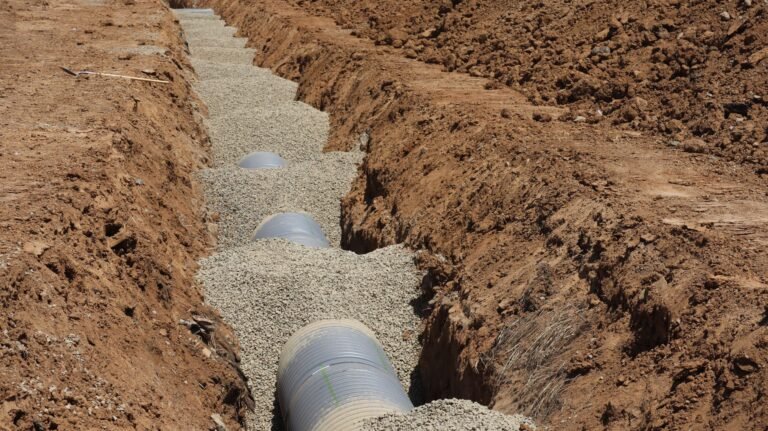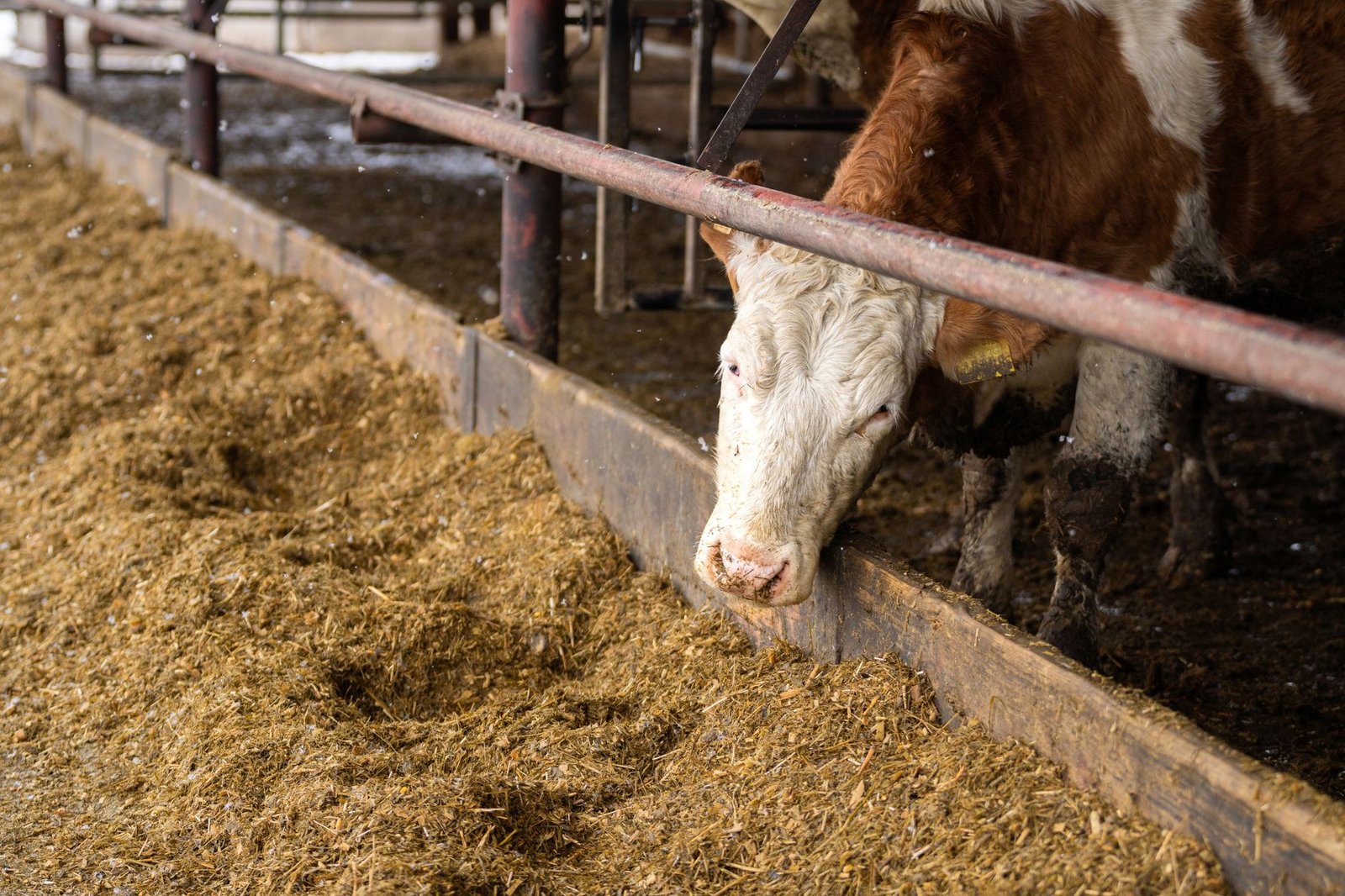
OMAHA – State environmental quality departments across the Great Plains and Midwest cattle feeding belts have enacted strict groundwater protection rules for Confined Animal Feeding Operations (CAFOs), mandating deep vadose zone suction lysimeters beneath manure lagoons and enforcing stringent agronomic nitrogen application limits on receiving croplands.
Statutory Framework and Regulatory Context
- Statutory Factor: Clean Water Act Section 502 (33 U.S.C. 1362) CAFO point source definitions and NPDES general permits.
- Statutory Factor: EPA National Pollutant Discharge Elimination System permit regulation and effluent limitation guidelines for CAFOs (40 CFR Part 122).
- Statutory Factor: State Department of Environment and Energy livestock waste management statutory codes.
- Statutory Factor: Natural Resources Conservation Service (NRCS) Conservation Practice Standard 590 Nutrient Management.
The Agronomy of Manure Lagoons and Sub-Basin Nitrogen Loading
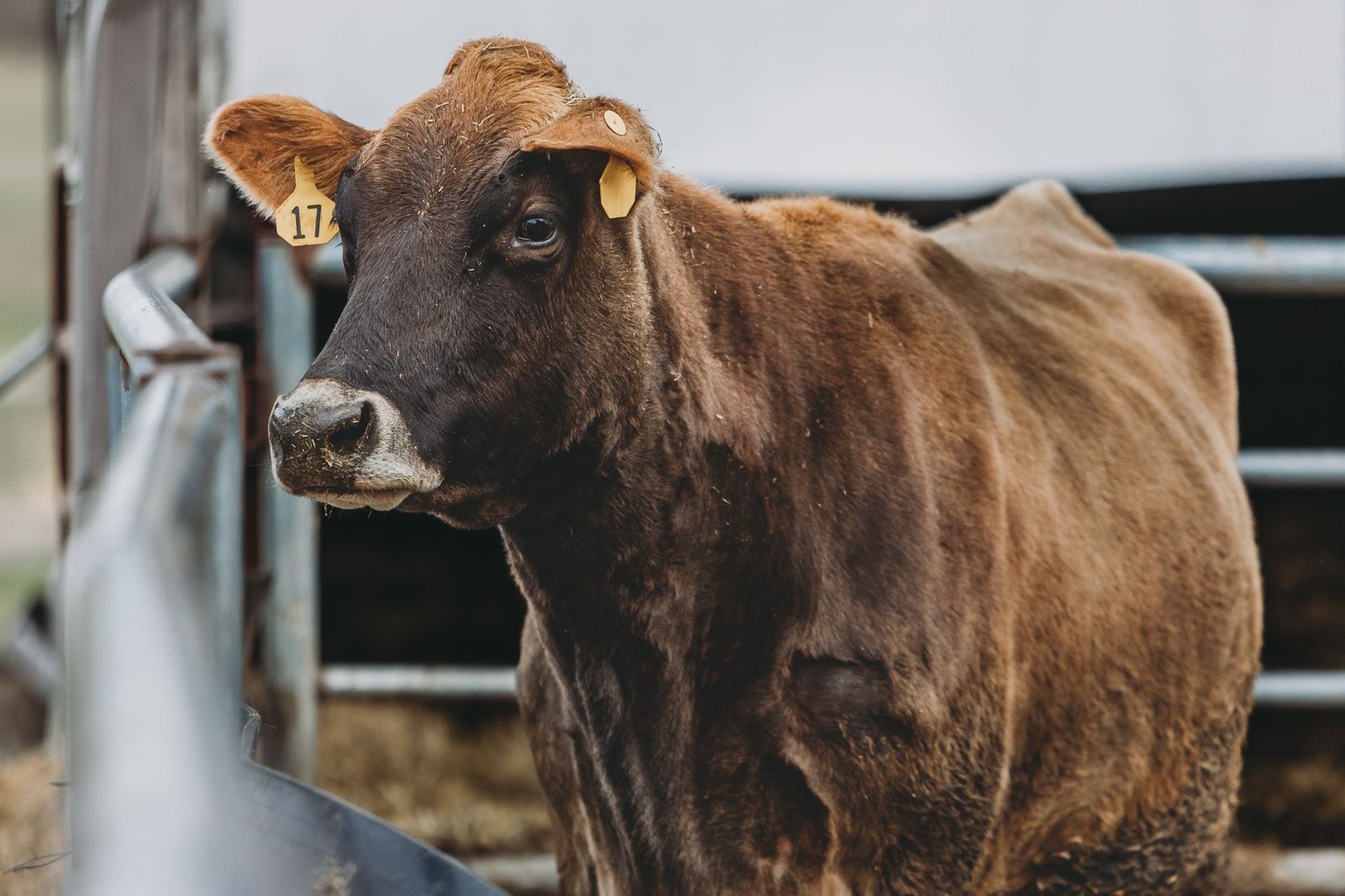
Modern intensive livestock production concentrates tens of thousands of beef cattle, dairy cows, or swine on concentrated feedlot parcels, generating millions of gallons of liquid manure and hundreds of thousands of tons of solid animal waste annually. Manure contains colossal concentrations of organic nitrogen, ammonium, phosphorus, and microbial pathogens. Historic feedlots stored liquid waste in unlined or minimally compacted earthen settling basins and anaerobic holding lagoons.
Over time, hydraulic pressure and biological decomposition allow ammonium to seep through earthen lagoon bottoms into underlying soils. In sandy or gravelly alluvial soils, oxygenated vadose zone conditions rapidly convert ammonium into soluble nitrate (NO3-), creating high-concentration nitrate plumes that migrate into regional groundwater tables used by rural farm families for private drinking water wells.
Ingesting drinking water contaminated with high nitrate levels causes acute methemoglobinemia (‘blue baby syndrome’) in infants, disrupts thyroid function, and increases risks of colorectal cancer and birth defects, prompting state regulators to overhaul livestock waste permits.
Comparative Metrics and Fiscal Impact Analysis
The following quantitative dataset summarizes verified public records, capital expenditure benchmarks, and oversight agency audit dockets across regional jurisdictions:
| Commercial CAFO Operation | Licensed Animal Units | Lagoon Liner Architecture | Vadose Zone Monitoring Depth | Nitrate Leaching Compliance |
|---|---|---|---|---|
| Platte Valley Commercial Cattle | 45,000 Head Beef | Double 60-mil HDPE + Leak Grid | 25-Foot Suction Lysimeters | 100% Zero-Seepage Compliant |
| Heartland Swine Production Hub | 32,000 Finishing Hogs | Reinforced Concrete Secondary Pit | 20-Foot Pore-Water Ports | Deep Aquifer Tested Clean |
| High Plains Dairy Alliance | 18,000 Milking Cows | Compacted Bentonite Clay Barrier | 30-Foot Nested Lysimeters | Nutrient Balance Approved |
| Mid-America Beef Finishing Feedlot | 28,000 Head Capacity | Synthetic Geosynthetic Clay Liner | 22-Foot Suction Cups | Full Annual Permit Certified |
Vadose Zone Suction Lysimeters and Early-Warning Pore Water Testing
Traditional groundwater monitoring relied exclusively on standard monitoring wells drilled into the saturated aquifer downstream of the lagoon. While necessary, monitoring wells suffer from severe temporal lag: because groundwater moves slowly through dense subsoils, by the time high nitrate concentrations are detected in a monitoring well 100 feet away, millions of gallons of toxic effluent have already leaked into the regional aquifer, requiring multimillion-dollar pump-and-treat remediation.
Modern CAFO permits mandate the installation of deep vadose zone suction lysimeters directly beneath lagoon footprints. Suction lysimeters consist of porous ceramic cups buried in the unsaturated soil zone between the lagoon base and the groundwater table, connected to the surface by vacuum sampling lines.
By applying a vacuum to the ceramic cup, environmental technicians extract soil pore water directly from the unsaturated soil beneath the liner every quarter. Testing pore water allows regulators to detect microscopic liner leaks within days—long before seepage can physically migrate downward to contact the regional drinking water table—triggering immediate lagoon dewatering and liner patching.

Agronomic Nitrogen Budgets and Comprehensive Nutrient Management Plans
In addition to lagoon containment, state livestock waste regulations strictly govern the land application of liquid and solid manure onto surrounding agricultural fields under mandatory Comprehensive Nutrient Management Plans (CNMP). Historic practices treated agricultural land as an unlimited waste disposal dump, applying manure at rates far exceeding what growing crops could biologically utilize.
Modern rules enforce strict ‘agronomic rate’ caps: manure application rates must be calibrated to match the exact nitrogen and phosphorus uptake requirements of the specific crop planted, verified through annual laboratory soil nitrate tests and manure nutrient analyses. Applying manure onto frozen, snow-covered, or saturated fields is legally banned to prevent surface runoff during spring snowmelt.
State agriculture and natural resources departments conduct unannounced drone and on-site field inspections, verifying that livestock operators maintain detailed application logs and calibrate dragline manure injection systems, ensuring that valuable animal nutrients fertilize crops rather than polluting rural drinking water.
Official Public Records and Statutory Citations
The documentary evidence and administrative filings referenced in this investigation are indexed under the following public record dockets:
- Clean Water Act, 33 U.S.C. 1362(14) (Concentrated Animal Feeding Operations Point Source Regulations).
- United States Environmental Protection Agency, 40 CFR Part 412 (Concentrated Animal Feeding Operations Point Source Category).
- Nebraska Administrative Code, Title 130 (Livestock Waste Control Regulations).
- USDA Natural Resources Conservation Service, Conservation Practice Standard 590: Nutrient Management.
Independent Oversight Outlook
The enforcement of advanced vadose zone monitoring and agronomic nutrient budgeting across commercial livestock operations establishes an indispensable defense for rural groundwater reserves. Through strict engineering compliance and transparent soil testing across 2026 and 2027, American agricultural production will thrive in harmony with clean drinking water protection.
Spotted an error? Read our corrections policy and let us know.

Keep reading
Urban Stream Daylighting Projects Remove Concrete Culverts to Restore Natural Fluvial Geomorphology
FEMA Hazard Mitigation Assistance Buyouts Transform Repetitive Loss Floodplains into Natural Greenways
Real-Time Optical Gas Imaging and FTIR Fence-Line Air Toxics Monitoring Mandated for Industrial Refineries