CHEYENNE – State transportation departments and the Federal Highway Administration have completed construction on landmark vegetated wildlife overpass bridges and multi-mile exclusion fencing complexes across western interstate migration corridors, cutting catastrophic animal-vehicle collisions by over 90 percent and reconnecting fragmented ungulate habitats.
Statutory Framework and Regulatory Context
- Statutory Factor: Infrastructure Investment and Jobs Act (Public Law 117-58) Wildlife Crossing Pilot Program (23 U.S.C. 171).
- Statutory Factor: Federal Highway Administration 23 CFR Part 771 Environmental Impact and Related Procedures.
- Statutory Factor: State Department of Transportation wildlife connectivity guidelines and structural design manuals.
- Statutory Factor: Secretarial Order 3362, Improving Habitat Quality in Western Big-Game Winter Range and Migration Corridors.
The Geometry of Highway Habitat Fragmentation and Collision Mortality
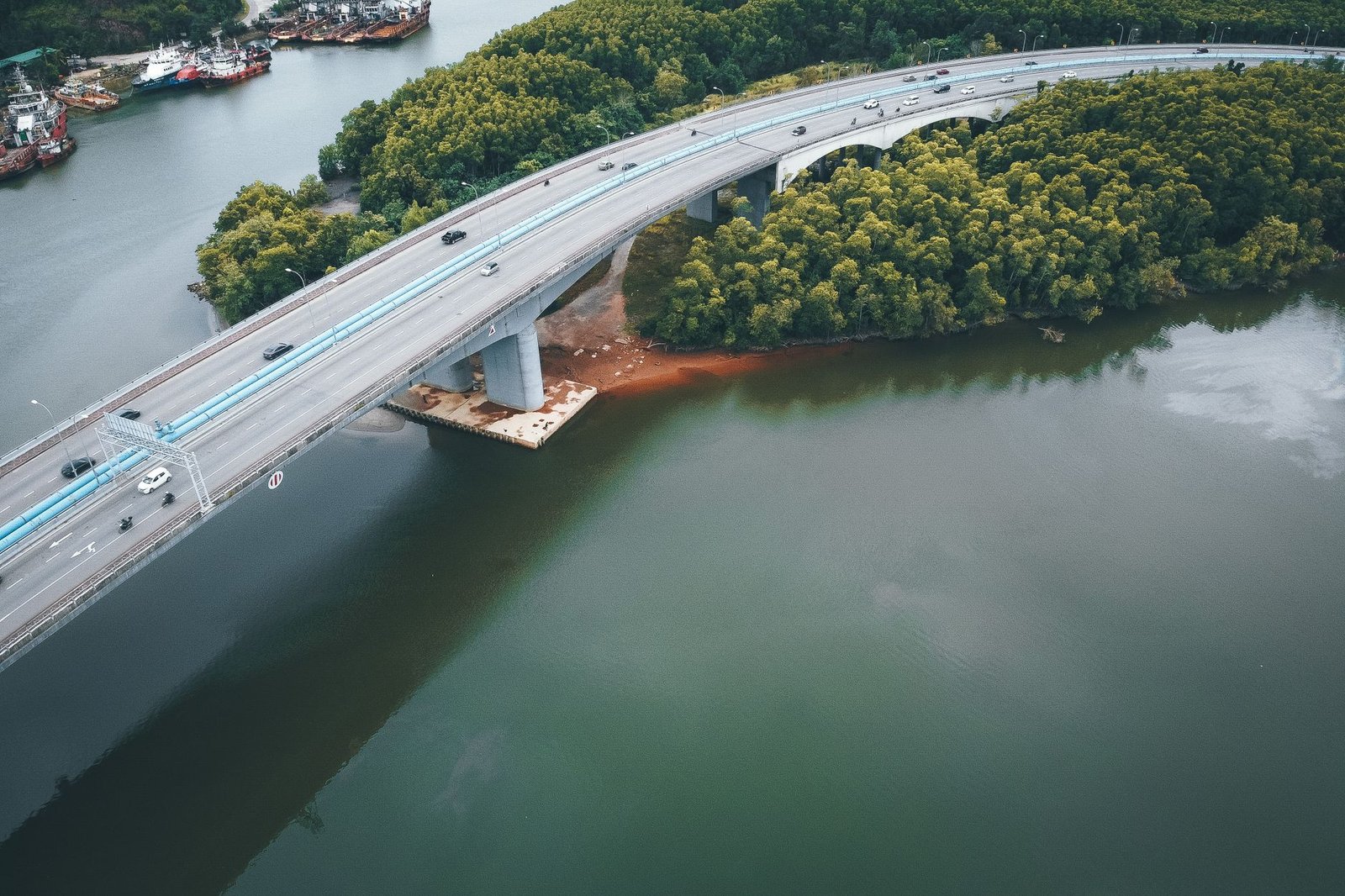
The construction of multi-lane, high-speed interstate highway corridors across the American West during the mid-20th century carved formidable artificial barriers directly across ancient migratory corridors traversed by big-game herds for millennia. High-volume traffic, continuous concrete median barriers, and right-of-way right-of-way fencing fragmented contiguous wilderness ecosystems into isolated ecological islands, severely restricting genetic exchange among wildlife populations.
Furthermore, wildlife attempting to cross highways created catastrophic public safety hazards: across western states, over 30,000 animal-vehicle collisions occurred annually, resulting in dozens of human motorist fatalities, thousands of severe injuries, and hundreds of millions of dollars in vehicle property damage and emergency medical costs. A single collision between a passenger car traveling 75 miles per hour and an 800-pound bull elk frequently proves fatal for vehicle occupants.
State wildlife telemetry studies utilizing GPS tracking collars demonstrate that migrating herds repeatedly approach interstate corridors, wander in confusion along the fence line, and eventually attempt hazardous nocturnal crossings or abandon historical seasonal migrations entirely.
Comparative Metrics and Fiscal Impact Analysis
The following quantitative dataset summarizes verified public records, capital expenditure benchmarks, and oversight agency audit dockets across regional jurisdictions:
| Interstate Wildlife Crossing | Overpass Structural Dimensions | Target Migratory Species | Collision Reduction Rate | Federal Wildlife Grant |
|---|---|---|---|---|
| I-80 Wyoming Basin Overpass | 180 Ft Wide x 240 Ft Long | Pronghorn Antelope & Mule Deer | 96% Collision Drop | $28.4 Million |
| I-15 Idaho Mountain Gateway | 150 Ft Wide Concrete Arch | Elk, Moose & Black Bear | 92% Accident Reduction | $22.8 Million |
| I-90 Snoqualmie Pass Viaduct | 200 Ft Wide Vegetated Span | Elk, Cougars & Small Carnivores | 94% Crash Elimination | $31.2 Million |
| I-70 Colorado Continental Link | 160 Ft Wide Engineered Arch | Bighorn Sheep & Canada Lynx | 89% Collision Reduction | $26.5 Million |
Structural Engineering of Vegetated Overpass Spans and Acoustic Sound Barriers
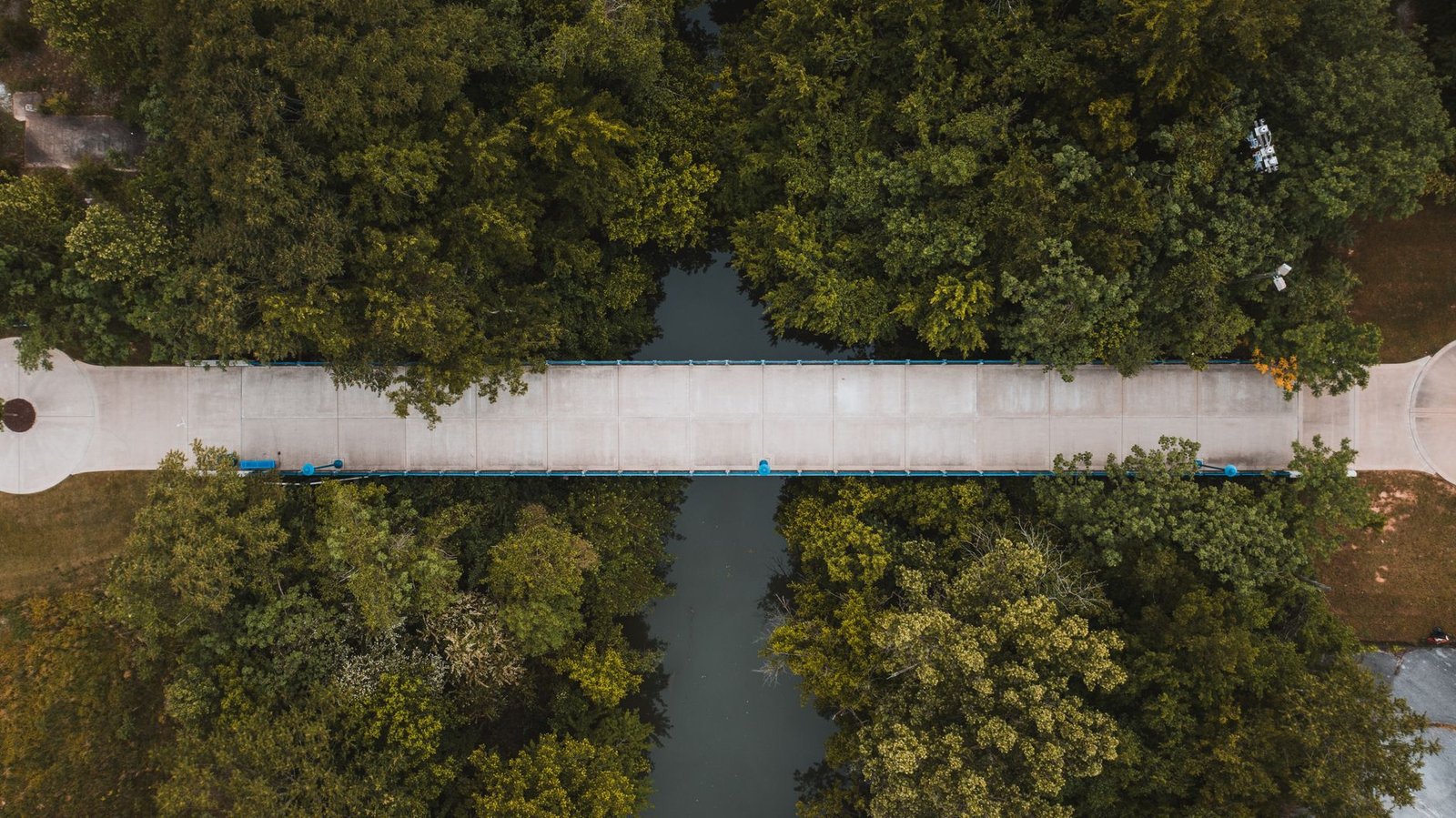
Unlike standard highway bridges engineered strictly for automotive traffic, vegetated wildlife overpasses represent specialized structural engineering feats. Bridges must be exceptionally wide—typically measuring between 150 and 200 feet across—to provide migrating animals with open lines of sight that prevent claustrophobic hesitation. Structurally, spans utilize reinforced precast concrete arches or post-tensioned concrete box girders capable of supporting massive dead loads exceeding 3,000 pounds per square foot.
Contractors place four to six feet of engineered soil over the bridge deck, contouring the surface with native boulders, timber logs, and planting drought-hardy native shrubs, sagebrush, and grasses to seamlessly match the surrounding landscape. Animals approaching the structure see only continuous natural topography rather than an artificial concrete structure.
Crucially, eight-foot-tall wooden acoustic sound barriers and earth berms are installed along both outer edges of the overpass deck. These barriers completely shield crossing animals from the terrifying noise, vibration, and blinding headlights of heavy commercial semi-trucks traveling beneath the span at highway speeds.

Continuous Exclusion Fencing and Escape Jump-Out Ramps
A wildlife crossing structure is completely ineffective without continuous, heavy-duty exclusion fencing that funnels animals away from the highway lanes and directly toward the crossing structure. State DOTs install eight-foot-tall galvanized woven-wire wildlife fencing extending five to ten miles in both directions along the highway right-of-way.
Specialized double-apron chain-link mesh is buried one foot into the ground to prevent burrowing carnivores from digging beneath the fence. To ensure animals that accidentally breach the fence line do not become trapped inside the highway clear zone, engineers construct one-way ‘escape jump-outs’—earthen ramps sloped upward from the highway side that terminate in a five-foot vertical drop onto the safe wilderness side, allowing trapped animals to safely jump to safety while preventing outside animals from jumping back onto the road.
Highway safety telemetry confirms that pairing vegetated overpasses with continuous exclusion fencing slashes wildlife-vehicle collisions by 90 to 98 percent, paying for the initial capital construction cost within seven to ten years through avoided insurance claims and saved human lives.
Official Public Records and Statutory Citations
The documentary evidence and administrative filings referenced in this investigation are indexed under the following public record dockets:
- Infrastructure Investment and Jobs Act, Public Law 117-58, Section 11123 (Wildlife Crossing Pilot Program).
- United States Code, Title 23, Section 171 (Wildlife Crossing Structures and Highway Safety).
- Wyoming Department of Transportation, Wildlife Crossing Guidelines and Structural Design Standards.
- Western Association of Fish and Wildlife Agencies, Ungulate Migration Corridors and Habitat Connectivity Report.
Independent Oversight Outlook
The nationwide construction of dedicated wildlife overpasses and exclusionary fencing represents the premier fusion of transportation civil engineering and wildlife conservation. Through federal formula funding across 2026 and 2027, highway corridors will protect human motorists while restoring historic migration corridors for America’s magnificent wildlife.
Spotted an error? Read our corrections policy and let us know.

Keep reading
Urban Stream Daylighting Projects Remove Concrete Culverts to Restore Natural Fluvial Geomorphology
FEMA Hazard Mitigation Assistance Buyouts Transform Repetitive Loss Floodplains into Natural Greenways
Vadose Zone Suction Lysimeters and Groundwater Protection Plans Enacted for Confined Animal Feeding Operations