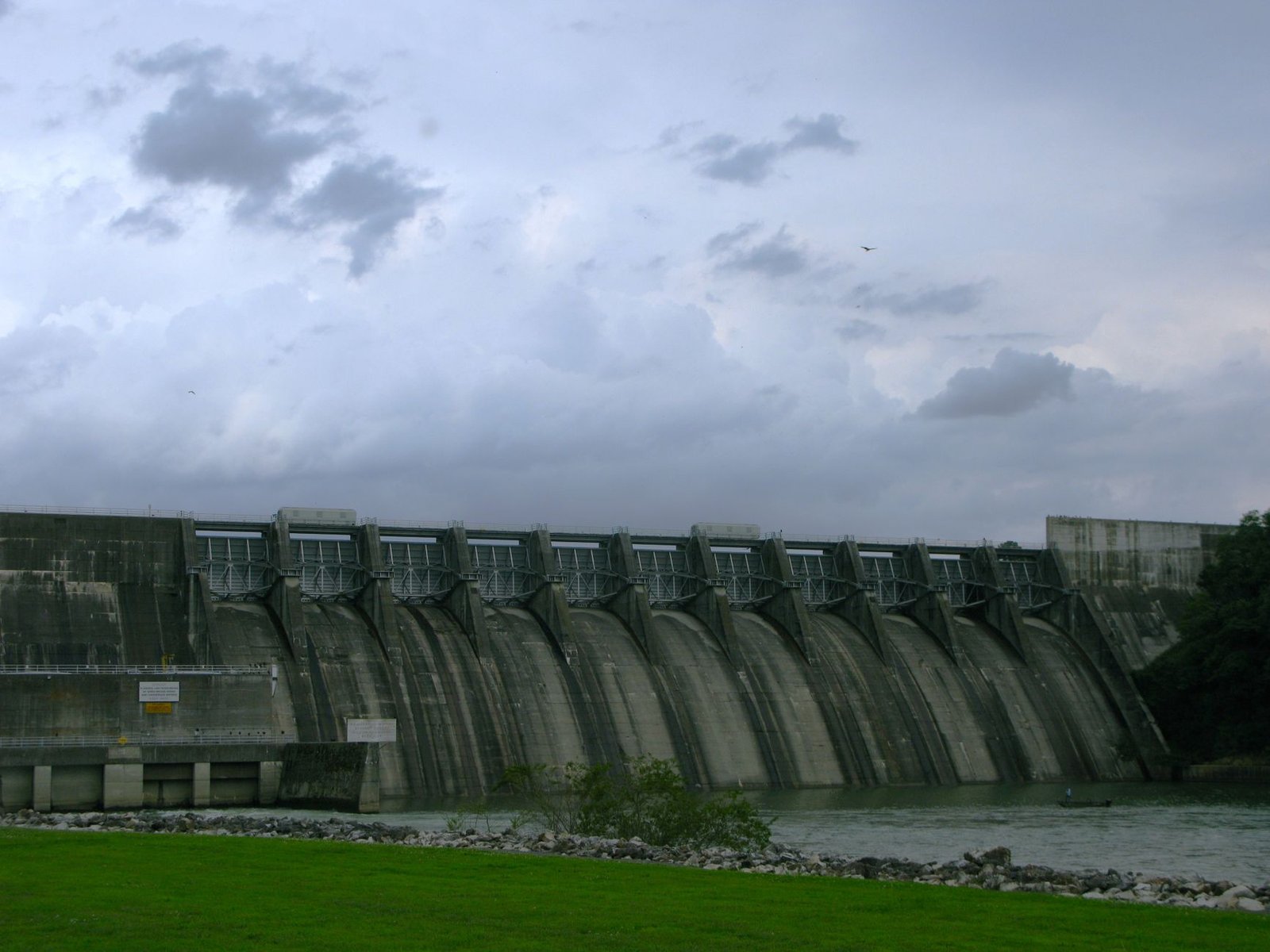
DENVER – State dam safety regulatory divisions and the Federal Emergency Management Agency (FEMA) have issued mandatory structural rehabilitation orders across hundreds of aging municipal water supply dams, reclassifying downstream inundation zones to ‘High Hazard Potential’ and compelling multi-million-dollar auxiliary spillway expansions.
Statutory Framework and Regulatory Context
- Statutory Factor: National Dam Safety Program Act (33 U.S.C. 467 et seq.) federal hazard classification standards.
- Statutory Factor: Federal Emergency Management Agency (FEMA) Rehabilitation of High Hazard Potential Dams (HHPD) grants.
- Statutory Factor: Federal Energy Regulatory Commission Engineering Guidelines for the Evaluation of Hydropower Projects.
- Statutory Factor: State Department of Water Resources emergency action plans and dam inspection statutory codes.
The Hazard Creep Phenomenon and Probable Maximum Precipitation Shifts
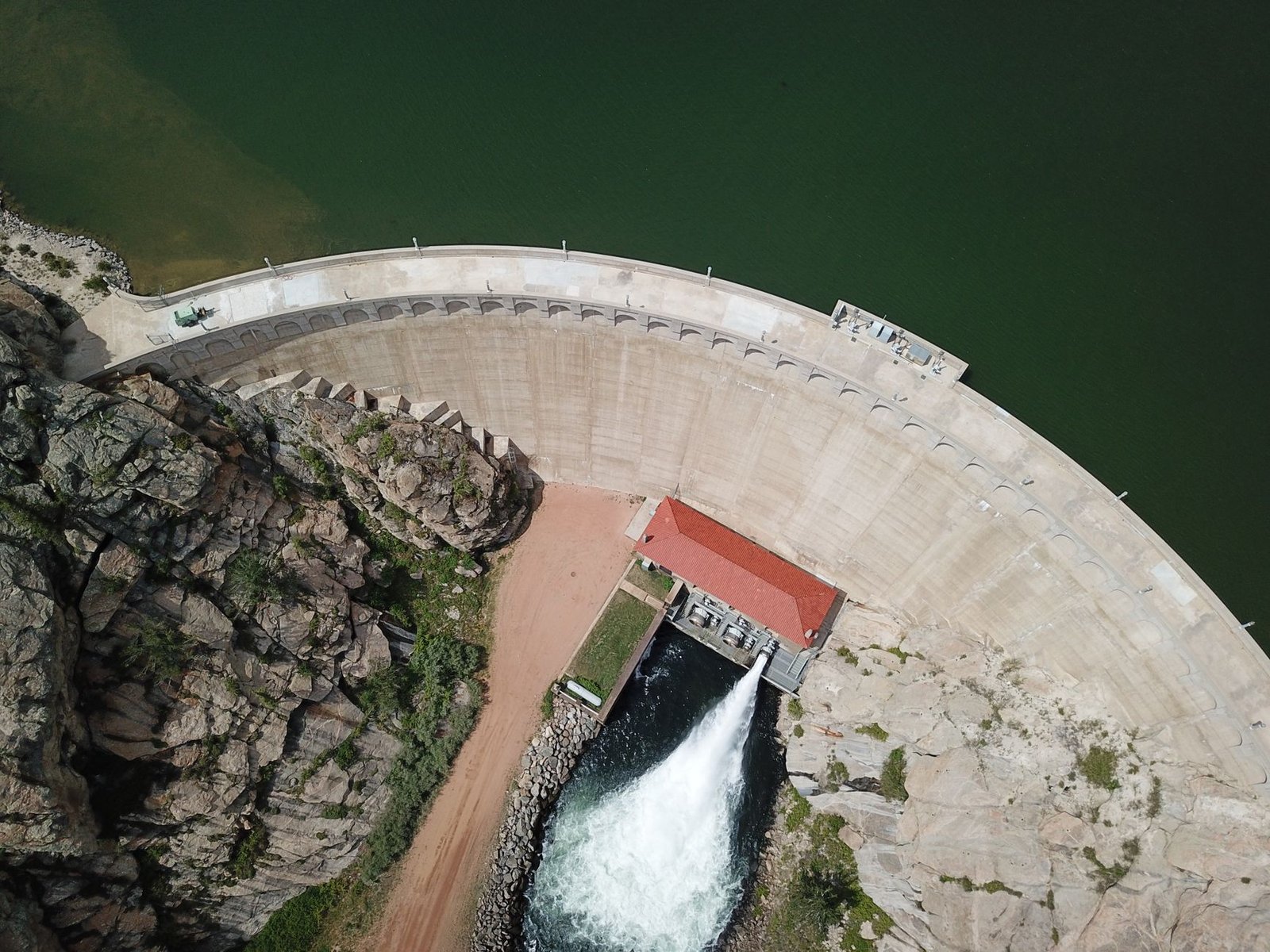
When thousands of small and mid-sized water supply dams were engineered during the mid-20th century, they were sited in rural, agricultural valleys and classified under federal guidelines as ‘Low Hazard Potential’—meaning structural failure would cause minimal economic damage and zero expected loss of human life. Over subsequent decades, however, suburban metropolitan sprawl expanded directly into downstream floodplains, building dense residential subdivisions, schools, and shopping centers directly in the historic dam break inundation path, a phenomenon termed in civil engineering as ‘hazard creep.’
Concurrently, atmospheric meteorological research updating National Oceanic and Atmospheric Administration (NOAA) Atlas 14 precipitation frequency standards demonstrated that extreme storm rainfalls have escalated significantly. Dams engineered to pass a ‘100-year storm’ are completely inadequate to pass modern Probable Maximum Flood (PMF) inflows generated by catastrophic convective stalling storms.
Under federal regulations, when a dam is reclassified as ‘High Hazard Potential,’ its spillway capacity must be upgraded to safely pass between 50 and 100 percent of the Probable Maximum Flood without overtopping the crest of the dam, which would cause rapid catastrophic earthen embankment washout.
Comparative Metrics and Fiscal Impact Analysis
The following quantitative dataset summarizes verified public records, capital expenditure benchmarks, and oversight agency audit dockets across regional jurisdictions:
| Municipal Dam Structure | Structural Type & Height | Hazard Reclassification | Probable Maximum Flood Surge | Spillway Engineering Retrofit |
|---|---|---|---|---|
| Cascade Crest Municipal Dam | 165-Foot Concrete Gravity | Low to High Hazard Potential | +48% Inflow Design Surge | Post-Tensioned Tendons + Fuse Gate |
| Blue Ridge Water Supply Dam | 120-Foot Earthen Embankment | Significant to High Hazard | +55% Probable Maximum Flood | Roller-Compacted Concrete Spillway |
| Ozark Mountain Reservoir Dam | 95-Foot Rockfill Structure | Emergency High Hazard Order | +42% Spillway Deficit | Labyrinth Weir Crest Addition |
| Allegheny Basin Flood Control | 140-Foot Masonry Arch | Class 1 High Hazard Status | +50% Design Flood Volume | Subterranean Tunnel Chute Addition |
Roller-Compacted Concrete Overtopping Protection and Labyrinth Weirs
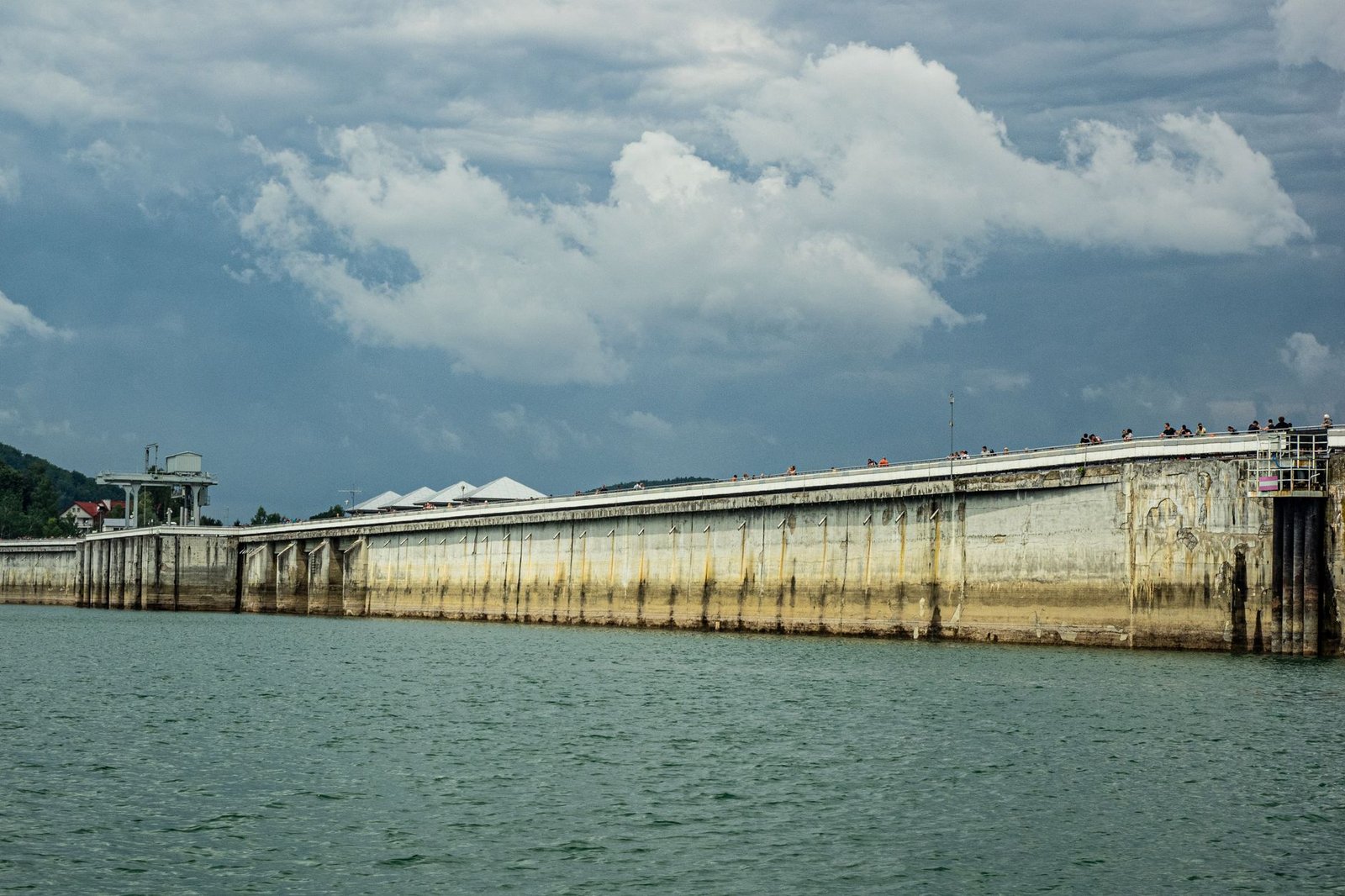
Expanding concrete spillways on legacy earthen dams presents immense civil engineering challenges: blasting new bedrock spillway chutes through adjacent hillsides can cost tens of millions of dollars and require condemning private residential land. Engineers increasingly deploy Roller-Compacted Concrete (RCC) stepped overtopping armor directly over the downstream face of the existing earthen dam.
RCC combines zero-slump Portland cement, fly ash, and crushed gravel placed by standard asphalt paving machines and compacted by heavy vibratory steel rollers. In an extreme flood event where reservoir water exceeds primary spillway capacity, floodwaters safely overtop the entire length of the dam crest, cascading down the stepped concrete face, which acts as a giant energy-dissipating spillway that protects the underlying earthen embankment from erosion.
On concrete gravity structures, engineers install specialized ‘labyrinth weirs’—zigzagged, accordion-shaped concrete crest walls that increase the effective spillway weir length by up to 400 percent within the identical physical opening, drastically increasing discharge flow rates at low hydraulic surcharge heads.
Post-Tensioned High-Strength Steel Anchors and Foundation Restabilization
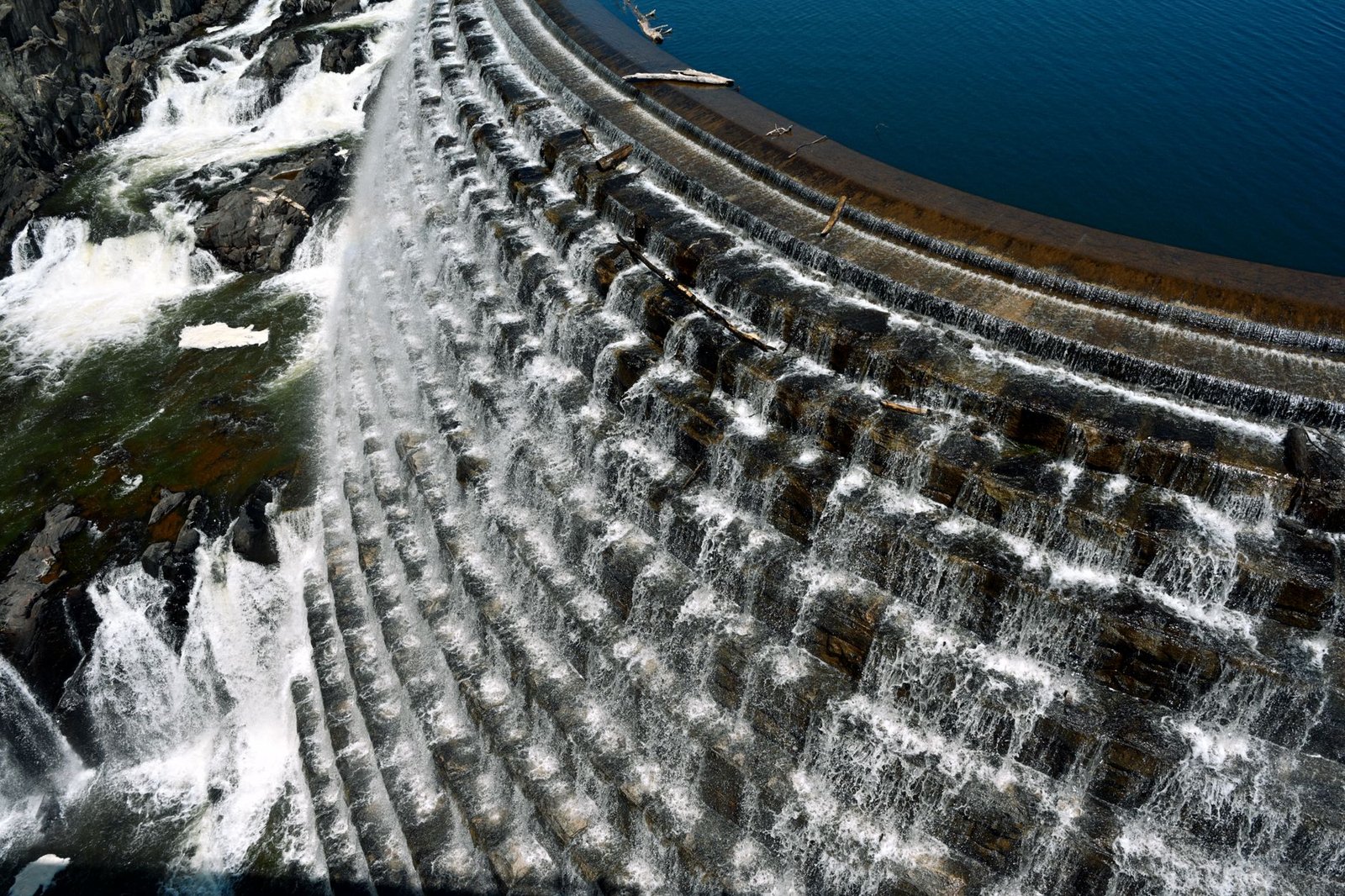
For historic concrete gravity and cyclopean masonry dams constructed prior to 1960, higher water surcharge elevations during probable maximum floods generate immense overturning and sliding forces that exceed original structural stability safety margins. To stabilize these structures against catastrophic sliding failure, geotechnical contractors install deep post-tensioned rock anchors.
Specialized diamond core drilling rigs bore vertical holes measuring 10 to 12 inches in diameter through the concrete dam crest, penetrating 50 to 100 feet deep into competent underlying granitic bedrock. Bundles of up to 60 high-strength steel strands are inserted into the boreholes, anchored into the deep bedrock with high-pressure epoxy grout, and tensioned with multi-thousand-ton hydraulic jacks.
The post-tensioned tendons pull the concrete dam downward against its rock foundation with immense compressive force, permanently clamping the structure to the earth and ensuring it will not slide or overturn even under maximum historic seismic and hydraulic shock loads.
Official Public Records and Statutory Citations
The documentary evidence and administrative filings referenced in this investigation are indexed under the following public record dockets:
- Federal Emergency Management Agency, Federal Guidelines for Dam Safety: Hazard Potential Classification (FEMA 333).
- United States Code, Title 33, Section 467f-2 (Rehabilitation of High Hazard Potential Dams).
- Federal Energy Regulatory Commission, 18 CFR Part 12 (Safety of Water Power Projects and Project Works).
- Association of State Dam Safety Officials, Cost of Rehabilitating Our Nation’s Dams: A Comprehensive Assessment.
Independent Oversight Outlook
The structural rehabilitation of America’s high-hazard dams represents an urgent civil engineering necessity to protect millions of downstream citizens. Through dedicated FEMA rehabilitation grants and state municipal financing partnerships across 2026 and 2027, critical dam infrastructure will be hardened to survive the most severe meteorological flood events.
Spotted an error? Read our corrections policy and let us know.

Keep reading
Urban Stream Daylighting Projects Remove Concrete Culverts to Restore Natural Fluvial Geomorphology
FEMA Hazard Mitigation Assistance Buyouts Transform Repetitive Loss Floodplains into Natural Greenways

Vadose Zone Suction Lysimeters and Groundwater Protection Plans Enacted for Confined Animal Feeding Operations