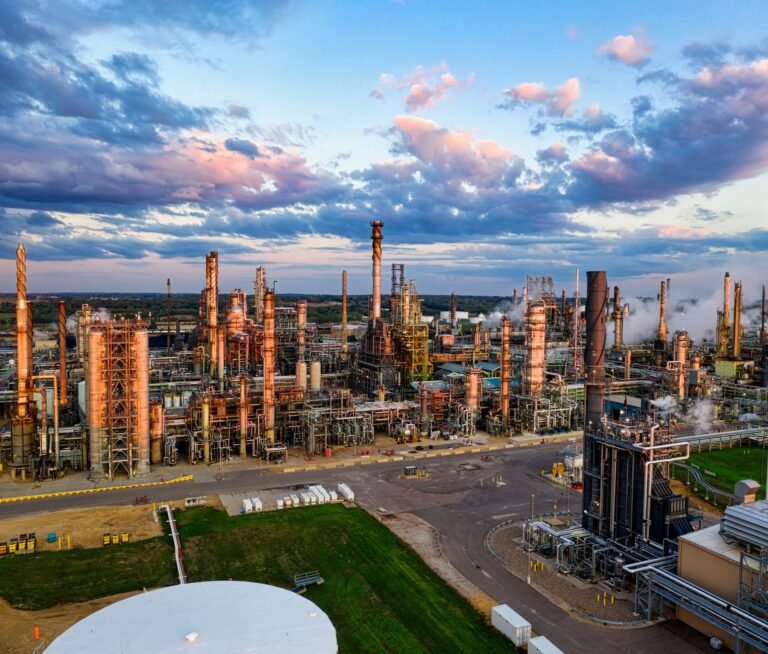
WILMINGTON – Municipal water authorities across the Cape Fear and Ohio River basins have commissioned multi-million-dollar Granular Activated Carbon (GAC) and single-use ion exchange filtration complexes, racing to comply with federal National Primary Drinking Water Regulations setting enforceable 4.0 parts per trillion limits on legacy per- and polyfluoroalkyl substances (PFAS).
Statutory Framework and Regulatory Context
- Statutory Factor: Safe Drinking Water Act (42 U.S.C. 300f et seq.) National Primary Drinking Water Regulations for PFAS.
- Statutory Factor: Maximum Contaminant Levels (MCLs) for PFOA and PFOS set at 4.0 parts per trillion (ppt).
- Statutory Factor: Hazard Index calculation standards for multi-contaminant PFAS mixtures (PFHxS, PFNA, HFPO-DA).
- Statutory Factor: Clean Water State Revolving Fund emerging contaminant remediation grant allocations.

Thermodynamic Adsorption Dynamics of Granular Activated Carbon
Per- and polyfluoroalkyl substances—colloquially termed ‘forever chemicals’ due to the extraordinary bond energy of the synthetic carbon-fluorine bond (approximately 485 kilojoules per mole)—are virtually indestructible under natural biological degradation or standard municipal chlorine disinfection. Dissolved in groundwater aquifers from decades of industrial manufacturing discharges and military airport aqueous film-forming foam (AFFF) fire training exercises, PFAS molecules traverse municipal sand filters completely unhindered.
Municipal treatment plants deploy massive pressure contactor vessels filled with bituminous coal-based or virgin coconut-shell Granular Activated Carbon (GAC). Operating with Empty Bed Contact Times (EBCT) between 10 and 20 minutes, the highly porous internal surface area of the activated carbon (exceeding 1,000 square meters per gram) adsorbs hydrophobic PFAS carbon-fluorine chains through van der Waals forces and hydrophobic interactions.
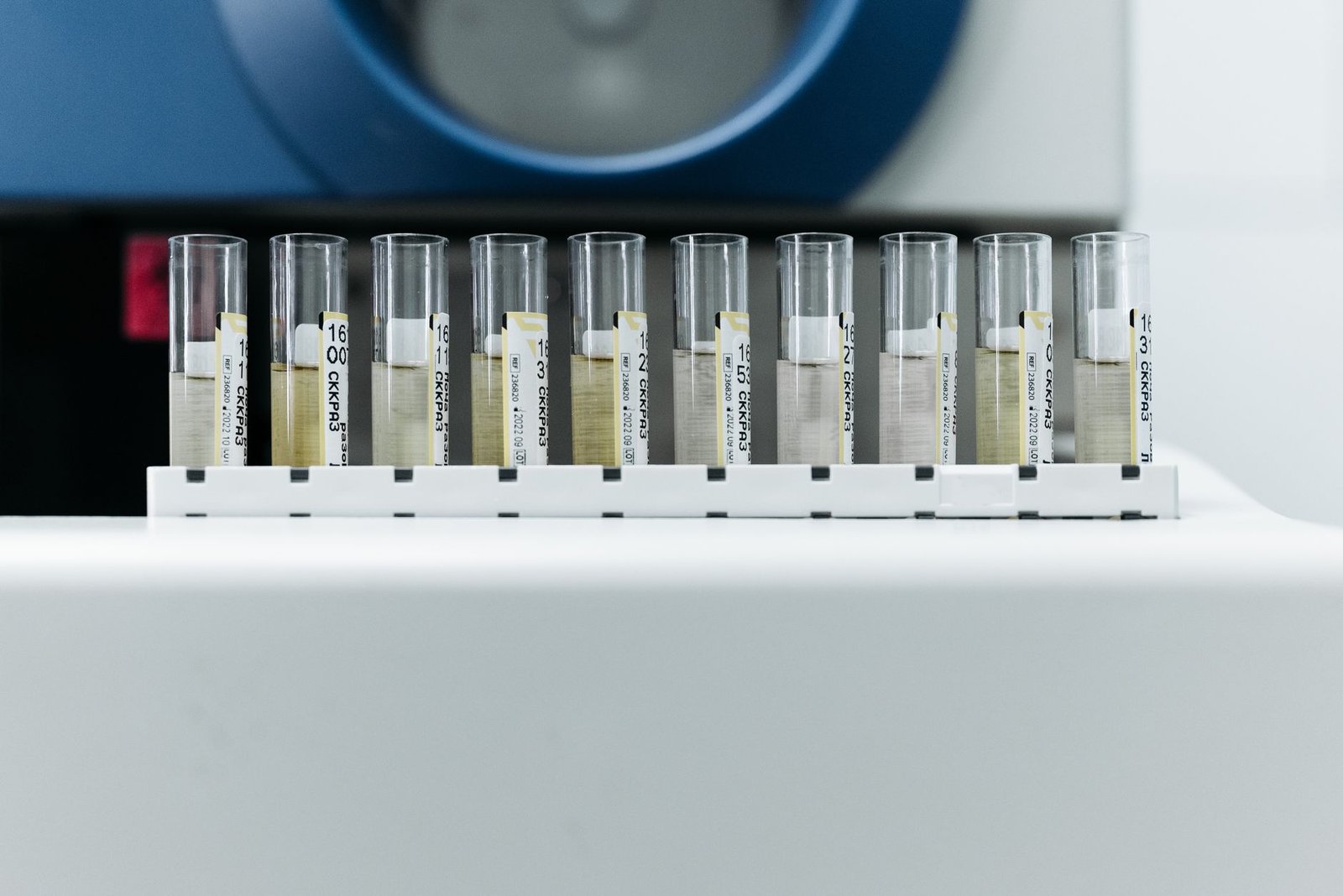
Lead-lag vessel configurations ensure operational redundancy: when continuous high-pressure liquid chromatography (HPLC-MS/MS) testing detects contaminant breakthrough in the lead contactor, water is routed through the lag vessel while spent carbon is extracted for high-temperature thermal reactivation at certified hazardous waste incinerators.
Comparative Metrics and Fiscal Impact Analysis
The following quantitative dataset summarizes verified public records, capital expenditure benchmarks, and oversight agency audit dockets across regional jurisdictions:
| Municipal Water Authority | Raw Wellhead PFAS Level | Filtration Media Deployed | Post-Treatment PFAS Detection | Capital Construction Outlay |
|---|---|---|---|---|
| Cape Fear Public Utility Authority | 180 ppt Total PFAS | Deep-Bed GAC (Filtrasorb 400) | Non-Detect (< 2.0 ppt) | $46.5 Million |
| Dayton Municipal Water District | 65 ppt PFOA/PFOS | Dual-Stage Anionic Resin | Non-Detect (< 2.0 ppt) | $32.8 Million |
| Merrimack Valley Water Works | 110 ppt Industrial PFAS | Hybrid GAC + Nanofiltration | Non-Detect (< 2.0 ppt) | $38.4 Million |
| Oak Creek Municipal Utility | 48 ppt Aqueous PFAS | Single-Pass Ion Exchange | Non-Detect (< 2.0 ppt) | $24.2 Million |

Single-Use Synthetic Ion Exchange Resins and Short-Chain Capture
While granular activated carbon excels at capturing long-chain legacy compounds like PFOA and PFOS, it exhibits faster chromatographic breakthrough when treating short-chain replacements like GenX (HFPO-DA), PFBS, and PFBA, which possess smaller molecular weights and lower hydrophobicities. To overcome this limitation, water engineers increasingly deploy synthetic macroporous anionic ion exchange (IX) resins.
Ion exchange resins utilize positively charged quaternary amine functional groups affixed to a polystyrene divinylbenzene polymer matrix. Negatively charged PFAS sulfonate and carboxylate head-groups form powerful electrostatic ionic bonds with the resin matrix, while the hydrophobic polymer backbone simultaneously attracts the fluorinated tail, providing dual adsorption mechanisms.
Technical performance data demonstrates that single-use ion exchange resins achieve bed volumes exceeding 100,000 before saturation, allowing compact footprint installations inside existing municipal pump houses where spatial land constraints prevent building sprawling carbon contactor buildings.
Legal Settlement Recoveries and Ratepayer Cost Protections
The capital and operational expenditures required to install and maintain advanced PFAS filtration are astronomical, with routine carbon replacement costing mid-sized cities upwards of $2 million annually. To prevent crushing utility rate hikes on working-class residential water consumers, municipal water districts joined national multidistrict litigation (MDL 2873) in federal court against chemical manufacturers.
Historic multi-billion-dollar legal settlements executed with major chemical conglomerates have established dedicated trust funds that directly reimburse municipal utilities for capital construction, engineering design, and recurring carbon media replacement expenses. State environmental departments enforce strict statutory ring-fencing, ensuring that legal settlement funds cannot be diverted into general municipal treasuries.
Public health epidemiologists praise the rapid deployment of filtration infrastructure, noting that eliminating PFAS from municipal drinking water yields immediate reductions in serum blood levels across served populations, mitigating long-term risks of kidney cancer, liver damage, and immune dysfunction.
Official Public Records and Statutory Citations
The documentary evidence and administrative filings referenced in this investigation are indexed under the following public record dockets:
- United States Environmental Protection Agency, 40 CFR Part 141 (National Primary Drinking Water Regulations for PFAS).
- Safe Drinking Water Act, 42 U.S.C. 300g-1 (National Drinking Water Regulations).
- United States District Court for the District of South Carolina, In re: Aqueous Film-Forming Foams Products Liability Litigation, MDL No. 2873.
- North Carolina General Statutes, Chapter 143, Article 21 (Water and Air Resources Administration).
Independent Oversight Outlook
The nationwide deployment of advanced GAC and ion exchange filtration marks the largest environmental remediation campaign in modern American water utility history. Through dedicated federal grants and legal settlement funding across 2026 and 2027, municipal water authorities will ensure that drinking water supplies remain permanently protected from chemical contamination.
Spotted an error? Read our corrections policy and let us know.

Keep reading

Urban Stream Daylighting Projects Remove Concrete Culverts to Restore Natural Fluvial Geomorphology

FEMA Hazard Mitigation Assistance Buyouts Transform Repetitive Loss Floodplains into Natural Greenways

Vadose Zone Suction Lysimeters and Groundwater Protection Plans Enacted for Confined Animal Feeding Operations