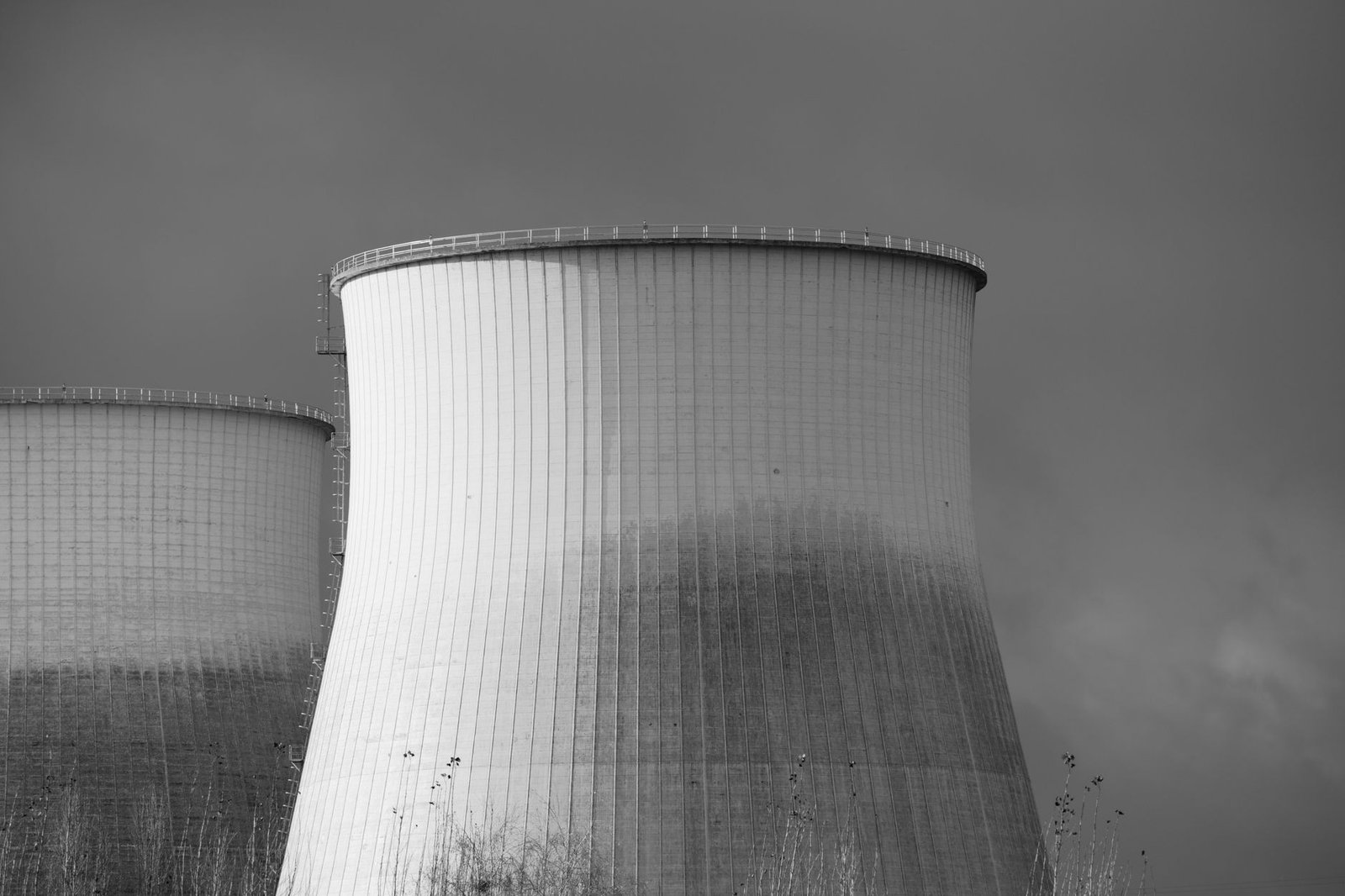
WASHINGTON – The Nuclear Regulatory Commission, in formal consultation with the Department of Defense and Department of Energy, has finalized a comprehensive regulatory framework for licensing and deploying factory-fabricated Small Modular Reactors within islandable microgrids at critical national security installations and heavy industrial chemical complexes.
Statutory Framework and Regulatory Context
- Statutory Factor: Atomic Energy Act of 1954, as amended (42 U.S.C. 2011 et seq.), 10 CFR Part 50 and Part 52 licensing rules.
- Statutory Factor: Nuclear Energy Innovation and Modernization Act risk-informed regulatory review pathways.
- Statutory Factor: Defense Production Act Title III authorizations for domestic high-assay low-enriched uranium enrichment.
- Statutory Factor: Federal Energy Management Program mission-critical electrical resilience standards.
Inherent Passive Safety Systems and Walk-Away Safe Coolant Dynamics
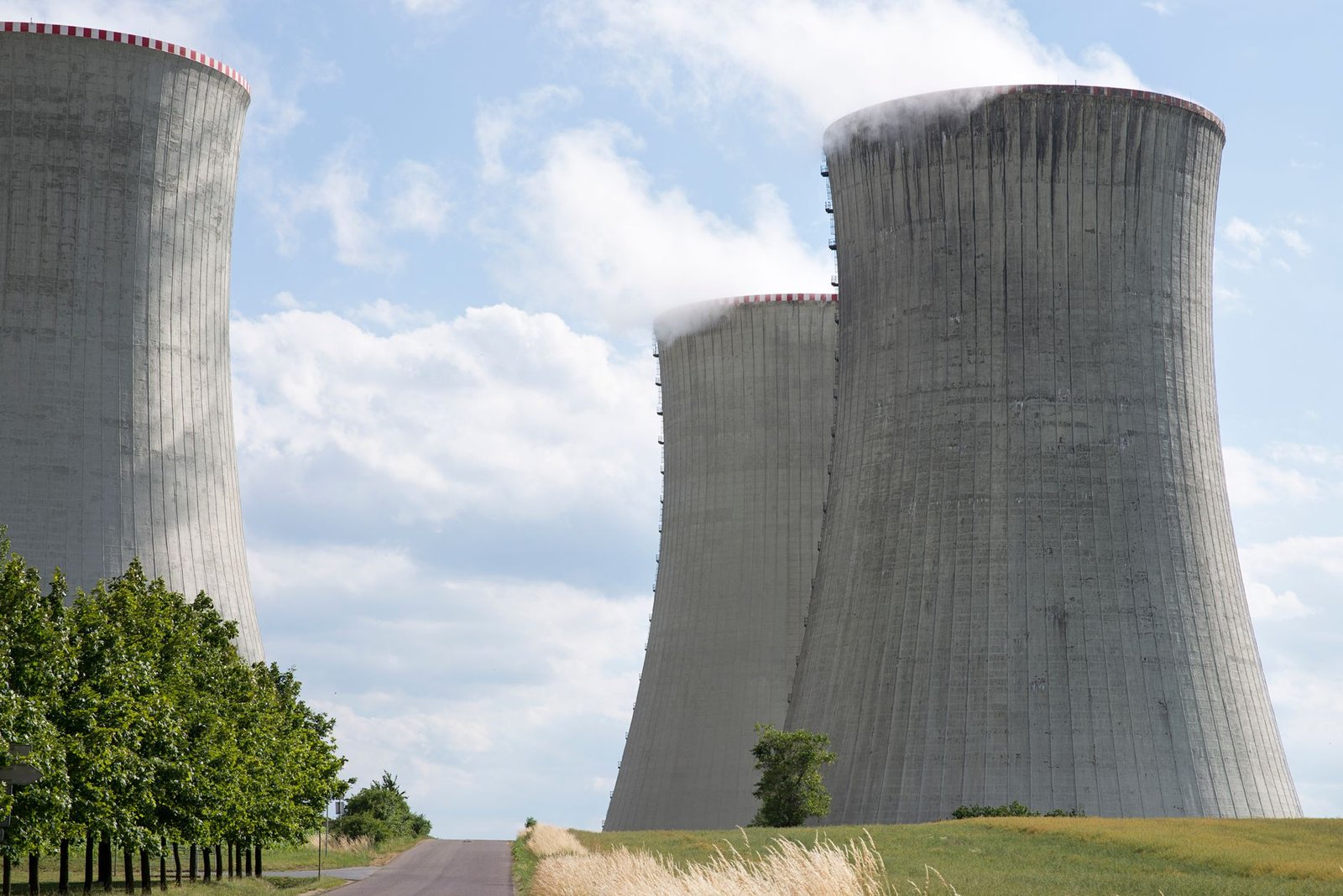
Unlike legacy gigawatt-scale commercial reactors that depend on active emergency diesel generators, high-pressure coolant injection pumps, and complex motor-operated valves, small modular reactors incorporate passive physical safety characteristics governed entirely by fundamental laws of gravity, natural convection, and negative thermal reactivity coefficients.
Technical safety evaluation reports published by the NRC confirm that even in the catastrophic event of a total loss of external alternating-current power (station blackout) combined with an immediate loss of primary coolant pressure, SMR containment vessels dissipate residual decay heat indefinitely into surrounding subterranean water pools or convective air chimneys without operator intervention or external electrical pumping power.
The compact physical footprint of these reactor modules—measuring less than 15 feet in diameter and prefabricated inside controlled factory environments—allows them to be installed inside subterranean concrete silos designed to withstand direct seismic shocks, projectile impacts, and severe surface blast overpressures.
Comparative Metrics and Fiscal Impact Analysis
The following quantitative dataset summarizes verified public records, capital expenditure benchmarks, and oversight agency audit dockets across regional jurisdictions:
| Reactor Technology | Thermal/Electric Output | Cooling Modality | Fuel Cycle Duration | Licensing Docket |
|---|---|---|---|---|
| High-Temp Gas-Cooled SMR | 80 MWe / 200 MWth | Helium Brayton Passive Air | 5 to 7 Years | NRC Final Design Approval |
| Integral Light Water Reactor | 77 MWe / 250 MWth | Natural Circulation Water | 24 Months | Early Site Permit Issued |
| Sodium-Cooled Fast Reactor | 150 MWe / 345 MWth | Liquid Metal / Molten Salt | 10 Years Continuous | Environmental Review Phase |
| Micro-Core Transportable Unit | 15 MWe / 40 MWth | Heat Pipe Passive Radiation | 8 Years Hermetic | DoD Prototype Pilot Approved |
Islandable Microgrid Architecture and Black-Start Resiliency
Strategic military installations and continuous chemical manufacturing facilities face catastrophic operational risks from widespread regional electrical grid collapses caused by physical sabotage, extreme winter weather events, or hostile cyber warfare attacks. SMR microgrids are engineered with dedicated static disconnect switches and digital synchrophasor controls capable of instantaneously severing external grid interties and transitioning to autonomous islanded mode within 16 milliseconds.
Equipped with black-start capabilities, SMR units can restart auxiliary plant systems without requiring off-site power assistance, subsequently energizing critical base communication arrays, command bunkers, and domestic water treatment plants. During normal grid-connected operations, these reactors supply clean base-load power to adjacent regional wholesale markets, providing significant revenue offsets to host municipalities.
Power purchase agreements executed between military commands and independent power producers incorporate 30-year availability guarantees, ensuring stable electricity costs shielded from volatile natural gas market spikes or fossil fuel supply chain disruptions.
Fuel Cycle Safeguards, Non-Proliferation, and Waste Management Mandates
Deploying nuclear assets outside conventional commercial utility sites necessitates heightened nuclear non-proliferation safeguards and stringent chain-of-custody tracking. Advanced SMR designs utilize High-Assay Low-Enriched Uranium (HALEU) enriched between 5 and 20 percent U-235, encapsulated in tri-structural isotropic (TRISO) fuel pebbles capable of withstanding temperatures exceeding 1,600 degrees Celsius without structural degradation or fission product release.
International Atomic Energy Agency safeguard seals and automated continuous radiation telemetry monitors transmit real-time isotope tracking data directly to federal regulatory agencies. Spent fuel management plans mandate that hermetically sealed reactor cores remain intact during refueling operations, being transported via specialized heavy rail casks directly to licensed federal interim storage facilities.
Public outreach meetings held in host communities emphasize that subterranean containment architectures virtually eliminate off-site emergency planning zone footprints, reducing the statutory evacuation perimeter from legacy 10-mile radii down to the physical boundary fence of the host facility.
Official Public Records and Statutory Citations
The documentary evidence and administrative filings referenced in this investigation are indexed under the following public record dockets:
- United States Nuclear Regulatory Commission, 10 CFR Part 53 (Risk-Informed, Technology-Inclusive Regulatory Framework for Advanced Reactors).
- Public Law 115-439, Nuclear Energy Innovation and Modernization Act (42 U.S.C. 2215).
- United States Department of Energy, Order 413.3B (Program and Project Management for the Acquisition of Capital Assets).
- Defense Science Board, Task Force Report on Energy Systems for Resilient Forward Operating Bases and Strategic Installations.
Independent Oversight Outlook
The deployment of factory-built small modular reactors marks a historic transformation in American electrical generation and defense infrastructure. As commercial manufacturing facilities reach standardized production capacity over the coming decade, SMR microgrids will provide the continuous, carbon-free baseload power required to anchor the nation’s critical industrial and national security assets.
Spotted an error? Read our corrections policy and let us know.

Keep reading
NIST Finalizes 2026 Post-Quantum Cryptographic Standards for Interstate Energy and Financial Telemetry Networks
Pennsylvania Public Utility Commission Enacts 2026 Grid Reliability Mandates for High-Voltage Transmission

Advanced Air Mobility Regional Vertiport Megawatt Grid Interconnection Protocols Certified