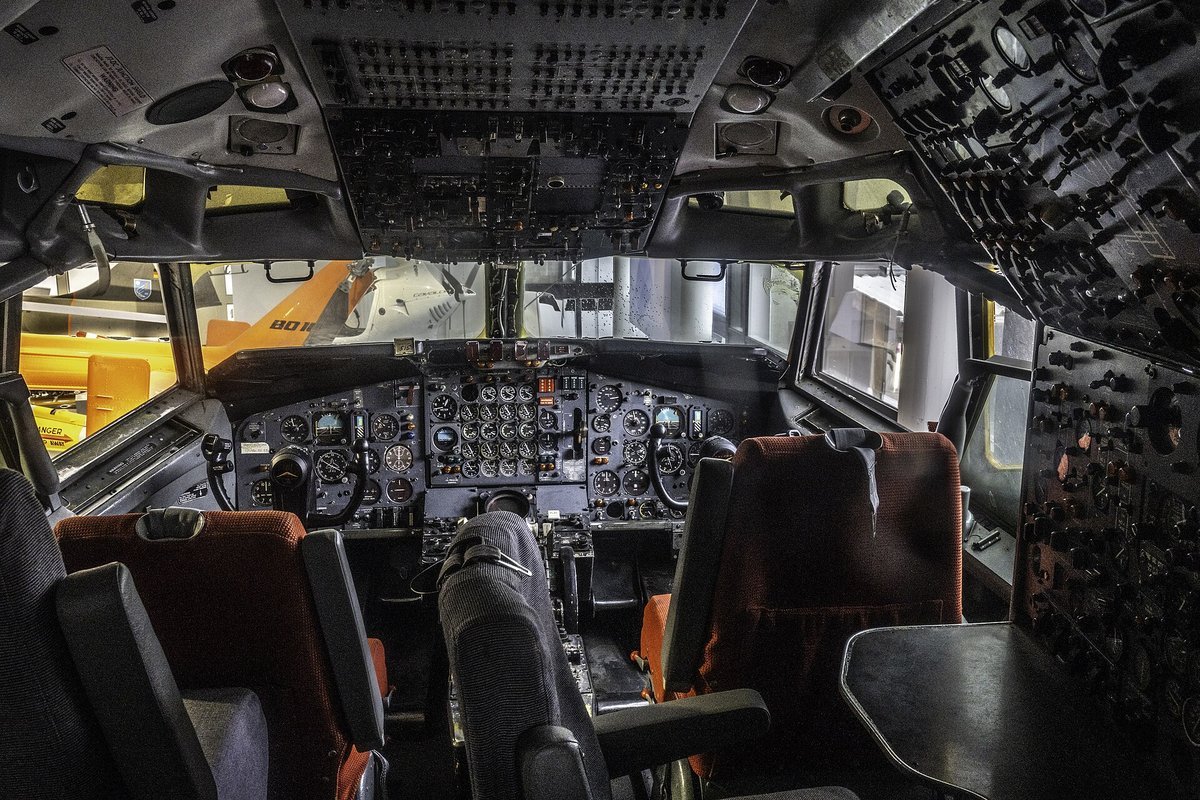
- Regulatory Milestone: The Federal Aviation Administration (FAA) has finalized a long-awaited aviation safety rule requiring all newly manufactured commercial passenger and cargo aircraft to feature 25-hour Cockpit Voice Recorders (CVRs).
- Data Preservation: The mandate replaces the legacy 2-hour continuous audio recording loop, preventing essential flight deck verbal exchanges from being permanently overwritten during long-haul flights or delayed incident reports.
- Alignment with Global Standards: Harmonizes United States civil aviation regulations with European Union Aviation Safety Agency (EASA) and International Civil Aviation Organization (ICAO) standards established in 2021.
WASHINGTON — In one of the most consequential aviation safety rulemakings of the decade, the Federal Aviation Administration (FAA) has issued a final rule requiring all newly manufactured commercial aircraft operating in United States airspace to be equipped with Cockpit Voice Recorders (CVRs) capable of retaining 25 hours of continuous flight deck audio. Codified under amendments to 14 CFR Parts 25, 91, 121, and 135, the regulation resolves a decades-long safety recommendation championed by the National Transportation Safety Board (NTSB).
The federal mandate closes a critical investigative vulnerability that has compromised dozens of major accident inquiries. Under the legacy 2-hour standard, which was adopted in 2008 when solid-state crash-survivable memory units replaced magnetic tape, cockpit audio continuously overwrote itself every 120 minutes. Consequently, during complex runway incursions, severe mid-flight clear-air turbulence encounters, or low-altitude wake turbulence incidents occurring early in a transcontinental flight, the flight crew’s crucial verbal commands, checklists, and warning annunciations were permanently erased before the aircraft landed and maintenance personnel could pull the recorder circuit breakers.
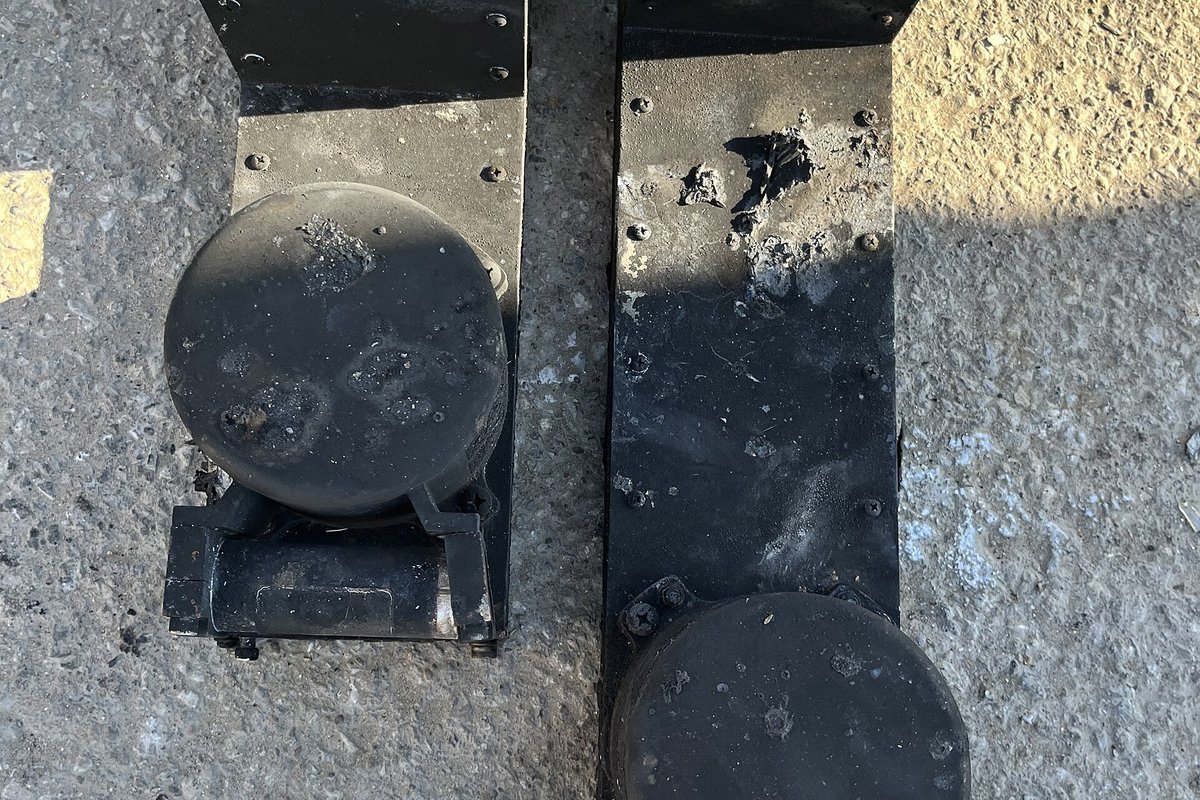
Investigative Impetus: Runway Near-Misses and Overwritten Telemetry
The urgency behind the FAA’s final action was catalyzed by a series of high-profile runway incursions and near-collisions at major United States hubs, including Boston Logan, New York JFK, Austin-Bergstrom, and San Francisco International. In multiple critical incidents where commercial airliners cleared crossing runways by less than 100 feet, NTSB investigators arriving on scene discovered that the CVR had continued to operate during subsequent taxiing or subsequent scheduled flight legs, permanently destroying the audio evidence of flight crew situational awareness and air traffic control coordination.
NTSB investigative records revealed that in over a dozen major runway safety investigations conducted between 2018 and 2024, the absence of CVR audio severely constrained investigators’ ability to reconstruct crew decision-making during high-stress operational moments. By capturing the complete preceding 25 hours of duty, investigators will now have access to crew rest handovers, pre-flight briefing discussions, sterile cockpit adherence, and automated aircraft warning chimes preceding safety occurrences.

Technical and Regulatory Specifications: 2-Hour vs. 25-Hour CVR Standards
| Regulatory & Engineering Metric | Legacy Federal Standard (2008) | Finalized FAA Mandate (2026) | Investigative & Safety Benefit |
|---|---|---|---|
| Continuous Recording Duration | 2 Hours (120 minutes) | 25 Hours continuous loop | Captures full duty period and preceding legs |
| Audio Channel Allocation | 4 channels (Captain, FO, Third, Area) | 4 channels minimum; high-fidelity digital | Crystal-clear acoustic analysis of ambient noise |
| Crash Survivability Envelope | 3,400g impact shock / 1,100°C fire | Maintains ED-112A / TSO-C123c standards | Uncompromising data integrity after impact |
| Independent Backup Power (RIPS) | 10 minutes auxiliary power unit | 10-minute Recorder Independent Power Supply | Records cockpit audio after total generator loss |
| International Harmonization | Divergent from ICAO Annex 6 | Fully harmonized with EASA and ICAO rules | Streamlines global airframe manufacturing |
Pilot Privacy Protections and International Fleet Integration
Throughout the rulemaking process, commercial airline pilot associations (such as ALPA) emphasized the paramount necessity of strict data privacy safeguards. The FAA final rule reinforces long-standing federal statutory protections (49 U.S.C. § 1114(c)), which strictly prohibit public release of any CVR audio recording. Cockpit audio may be reviewed solely by accredited accident investigators, and transcripts are released to the public only within the strict context of factual investigative dockets with personal non-pertinent discussions strictly redacted.
The rule mandates that all newly manufactured aircraft delivered to United States commercial operators—including Boeing 737 MAX, Boeing 787, Airbus A321neo, and Airbus A350 airframes—must leave the assembly line equipped with 25-hour CVR hardware. By joining European and global aviation partners in mandating 25 hours of preserved flight deck audio, the FAA has fortified a crucial pillar of forensic transparency that will protect the traveling public for decades to come.