- Mandatory Safety Standard: The U.S. Consumer Product Safety Commission (CPSC) has mandated that all electric bicycles, e-scooters, and replacement lithium-ion battery packs imported or sold in the United States must comply with Underwriters Laboratories (UL) 2849 and UL 2272 electrical safety standards.
- Customs Interdictions: Partnering with U.S. Customs and Border Protection (CBP), federal agents are seizing uncertified, non-compliant lithium-ion battery shipments at major maritime ports of entry.
- Retailer Liability: Major online marketplaces and retail store chains face substantial civil penalties under the Consumer Product Safety Act for distributing uncertified micro-mobility battery hardware.
BETHESDA, MD — In an urgent nationwide regulatory intervention aimed at stopping a deadly surge of urban residential fires, the U.S. Consumer Product Safety Commission (CPSC) has enacted comprehensive enforcement of mandatory electrical and fire safety standards for micro-mobility devices. Operating under the statutory authority of Section 15 of the Consumer Product Safety Act (15 U.S.C. § 2064), the commission is demanding that all electric bicycles, motorized scooters, and replacement lithium-ion battery packs distributed in the United States bear accredited third-party certification to UL 2849 or UL 2272.
The federal directive addresses a severe public safety crisis stemming from the rapid proliferation of low-cost, uncertified micro-mobility devices. Over the past four years, metropolitan fire departments—most notably the Fire Department of New York (FDNY)—have documented hundreds of catastrophic residential blazes, resulting in dozens of fatalities and critical injuries. Unlike traditional fires that progress predictably, lithium-ion battery failures exhibit violent thermal runaway: overheating battery cells rupture violently, producing toxic gas jets, intense 1,000-degree Fahrenheit fireballs, and rapid secondary explosions that destroy residential apartment units in seconds.
The Technical Anatomy of Thermal Runaway and UL 2849 Testing
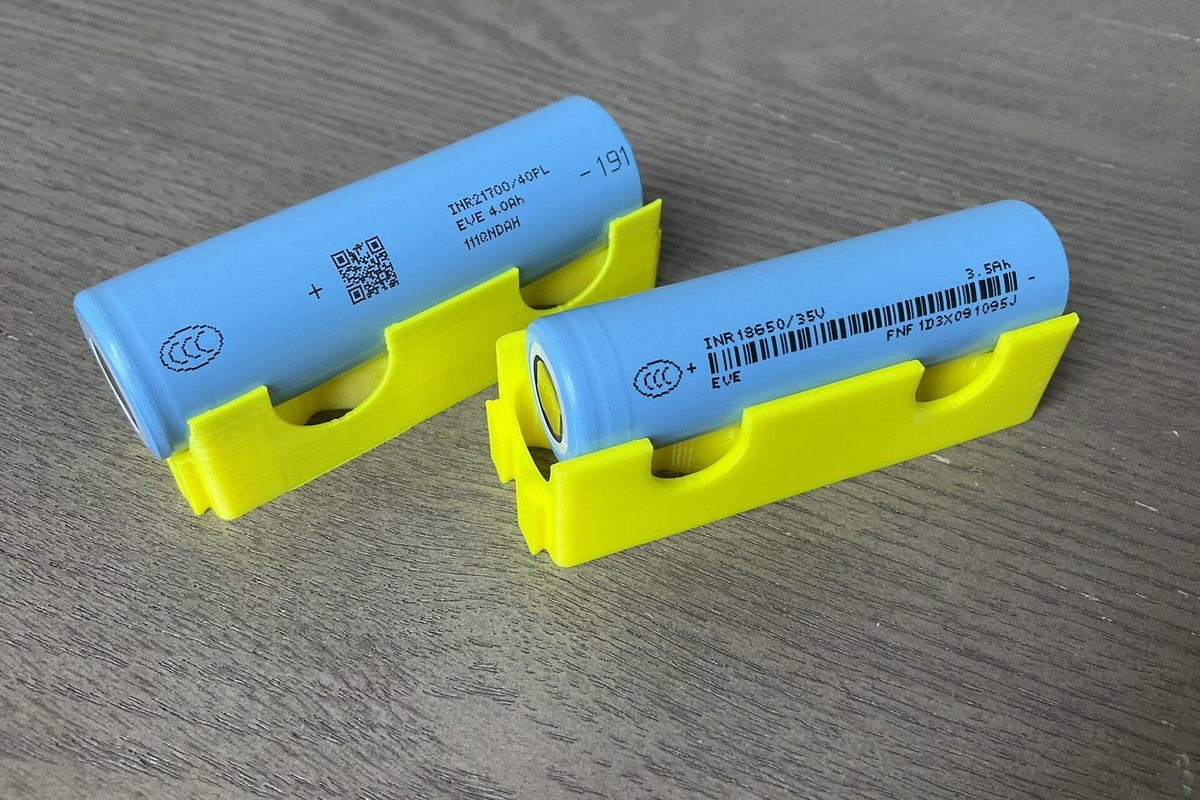
To eliminate the manufacturing vulnerabilities that cause battery fires, the CPSC has made compliance with the UL 2849 standard a mandatory threshold for lawful commerce. While low-grade imported batteries often utilize recycled battery cells, substandard welding, and rudimentary circuit boards, certified systems must withstand rigorous electrical, mechanical, and environmental stress testing:
- Battery Management System (BMS) Verification: Under UL 2849, the integrated BMS circuit must continuously monitor individual cell voltage, total pack current, and internal operating temperatures. The system must feature redundant failsafes that instantly terminate charging or discharge upon detecting over-voltage, cell imbalance, or external short circuits.
- Thermal Runaway Containment: The physical enclosure must demonstrate that if a single internal cell undergoes catastrophic thermal runaway, the design prevents thermal propagation to neighboring cells, preventing explosive cascade failures.
- Overcharge and Impact Testing: Battery enclosures are subjected to extreme drop impacts, mechanical crush forces, severe vibration simulation, and moisture ingress testing (minimum IPX4 or IPX5 rating) to ensure water exposure does not trigger internal short circuits.
- Charger-Battery Interlock: Chargers and battery packs must feature electronic communication handshakes that prevent consumers from using mismatched, high-voltage aftermarket chargers that pump excessive current into low-capacity cells.
Safety Requirements: Uncertified vs. UL 2849 Certified Micro-Mobility
| Engineering Component | Substandard / Uncertified Equipment | Mandatory UL 2849 Certified Architecture | Fire Safety Benefit |
|---|---|---|---|
| Battery Management (BMS) | Single-fault analog board; lacks cell balancing | Redundant microprocessor-controlled BMS | Prevents overcharging and thermal runaway |
| Cell Quality & Sourcing | Salvaged, counterfeit, or unbranded cells | Tier-1 certified virgin lithium-ion cells | Consistent internal resistance and stability |
| Thermal Barriers | Cardboard or thin plastic cell separators | Flame-retardant aerogel or ceramic cell barriers | Isolates damaged cells from cascading failure |
| Moisture Ingress Rating | Unsealed cases; vulnerable to rainwater shorts | IPX5 waterproof certified enclosure | Eliminates corrosion-induced short circuits |
| Charger Compatibility | Generic barrel plugs without communication | Smart handshake protocol matching pack voltage | Prevents over-voltage charging fires |

Customs Seizures, Retail Sweeps, and Consumer Guidelines
To intercept dangerous micro-mobility products before they reach American living rooms, the CPSC has partnered with U.S. Customs and Border Protection to establish targeted inspection blitzes at primary container shipping hubs, including the Ports of Los Angeles, Long Beach, and New York/New Jersey. Shipments lacking legitimate documentation from an OSHA-recognized Nationally Recognized Testing Laboratory (NRTL)—such as UL Solutions, CSA Group, or Intertek (ETL)—are subject to immediate seizure and destruction.
The commission reminds consumers to look for official NRTL certification marks directly on battery pack housings and warning labels. Consumers are strongly advised never to leave charging e-bikes unattended near primary exit pathways, never to purchase cheap unbranded replacement batteries from third-party online marketplaces, and to utilize flame-retardant charging enclosures. Through uncompromising border interdiction and rigorous retail enforcement, federal safety regulators are working to ensure urban micro-mobility remains an environmentally sound and life-safe transportation mode.