- Autonomous Sensor Probes: NHTSA Office of Defects Investigation (ODI) has escalated preliminary evaluations into automated driving systems following multi-state collisions occurring in reduced visibility, fog, and sun glare.
- Fire Hazard Remediations: Issuance of urgent consumer safety alerts and recall remedies for commercial vehicles exhibiting electrical short circuits in power seat motor wiring harnesses and 12-volt accessory circuits.
- Statutory Remedies: Motor vehicle manufacturers are mandated under federal law to remedy all verified safety defects at zero cost to vehicle owners within 60 days of official notification.
WASHINGTON — Intensifying its scrutiny over next-generation vehicular technologies and foundational electrical hardware, the National Highway Traffic Safety Administration (NHTSA) has launched a series of high-priority defect investigations and safety recall enforcement actions across the United States. Acting pursuant to the National Traffic and Motor Vehicle Safety Act (49 U.S.C. § 30101 et seq.), the agency’s Office of Defects Investigation (ODI) is demanding comprehensive technical telemetry from major automotive manufacturers regarding the operational reliability of driver-assistance suites and emerging automated driving systems (ADS).
The regulatory actions represent a bifurcated enforcement strategy. While NHTSA engineers scrutinize cutting-edge computer vision algorithms and machine-learning sensor fusion models under extreme environmental edge cases, the agency is simultaneously compelling mass automotive recalls for critical legacy hardware defects—most notably high-risk electrical short circuits located within power seat motors, high-voltage battery contactors, and steering column wiring assemblies capable of igniting vehicle cabin fires.
Automated Driving Systems Under Scrutiny: Reduced Visibility Performance
The primary technological investigation centers on the performance limitations of vision-only and sensor-fusion autonomous driving systems when operating in compromised atmospheric conditions. Following multiple collision incidents where semi-autonomous vehicles failed to decelerate for stationary roadway obstacles, construction barriers, or cross-traffic commercial trucks, NHTSA engineers are evaluating whether current sensor suites possess adequate operational design domain (ODD) safety margins.
Under federal Special Orders issued to vehicle manufacturers, NHTSA has demanded granular engineering records, including:
- Optical Occlusion Telemetry: Millisecond-level radar, lidar, and camera sensor logs documenting system behavior during sudden transitions into blinding sun glare, dense maritime fog, blowing snow, or unilluminated rural highway curves.
- Driver Monitoring Efficacy: Telemetry measuring the operational latency of cabin eye-tracking cameras and steering wheel torque sensors in detecting driver disengagement or automation complacency.
- Fallback and Transition Times: Exact time budgets provided to human operators to seize dynamic driving control before the automated system disengages during critical collision avoidance scenarios.
Federal Safety Investigations & Consumer Remedy Framework
| Investigation Category | Primary Defect Mechanism | Regulatory Status (NHTSA) | Statutory Consumer Remedy |
|---|---|---|---|
| Automated Vision Systems | Sensor blindness in fog, glare, and dust | Active Engineering Analysis (EA) | Mandatory over-the-air firmware restriction |
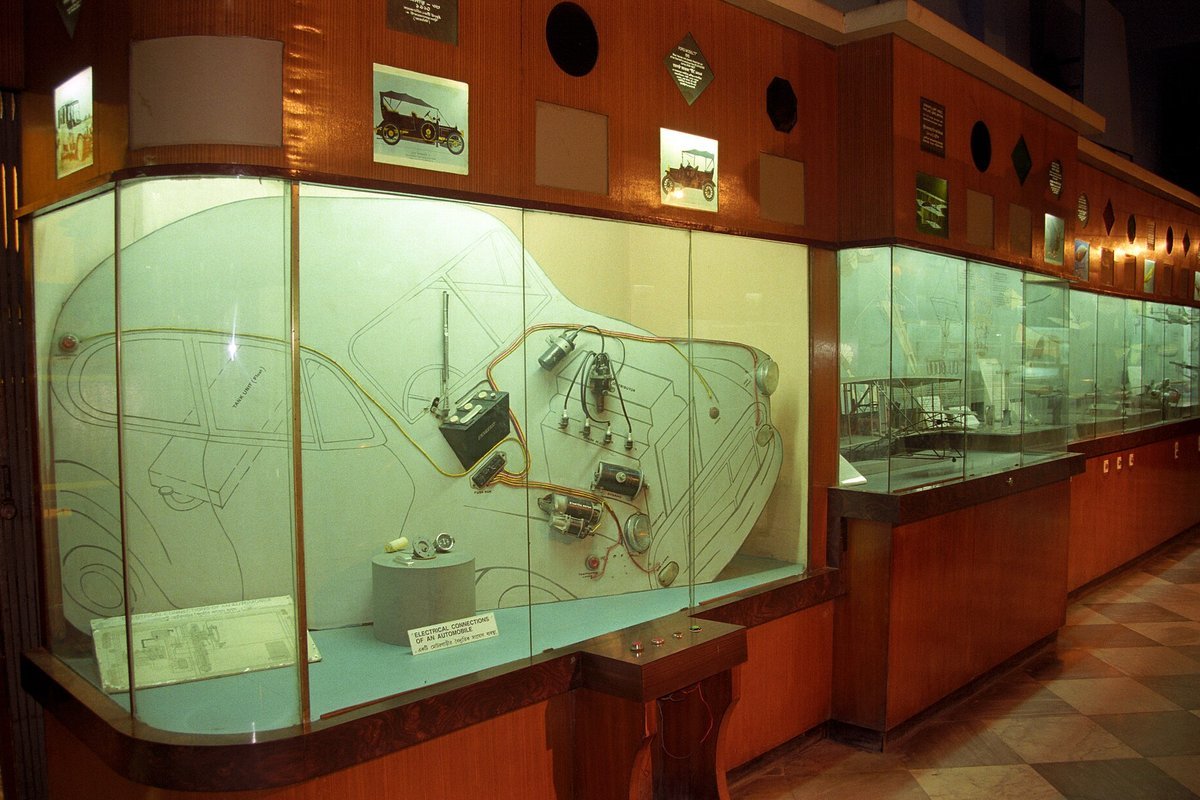
| Power Seat Motor Wiring | Chafing harness causing electrical arcing | Mandatory Safety Recall Enforcement | Free dealership inspection and wiring replacement |
| Pedestrian AEB Calibration | Failure to detect nighttime crossing pedestrians | Federal FMVSS Rule Compliance Audit | Sensor recalibration and software upgrade |
| High-Voltage Battery Contactors | Thermal runaway risk under DC fast-charging | Recall Management Division Oversight | Free replacement of high-voltage relay units |
| Commercial Vehicle ESC | Electronic stability control sensor drift | Fleet Safety Advisory Bulletin | Mandatory software patch for fleet operators |
Consumer Rights and Free Mandatory Dealer Remedies
Federal law establishes stringent consumer protections once NHTSA or an automaker issues a formal recall notice. Under 49 U.S.C. § 30120, authorized franchised dealerships are legally required to perform all recall inspection, parts replacement, and software reprogramming work completely free of charge to vehicle owners. Vehicle manufacturers are prohibited from imposing diagnostic fees, labor charges, or administrative deductibles for any recall-related service.
NHTSA urges American vehicle owners to verify their vehicle identification numbers (VIN) using the official federal database at NHTSA.gov/recalls or through the agency’s free SaferCar mobile tracking application. By continuously monitoring open safety campaigns and holding automotive manufacturers strictly accountable to Federal Motor Vehicle Safety Standards (FMVSS), regulators are reinforcing public safety across the American surface transportation network.