- Inter-Agency Operation: The Food and Drug Administration (FDA) and USDA Food Safety and Inspection Service (FSIS) have initiated synchronized, unannounced environmental safety audits across ready-to-eat (RTE) meat, poultry, and deli packaging plants.
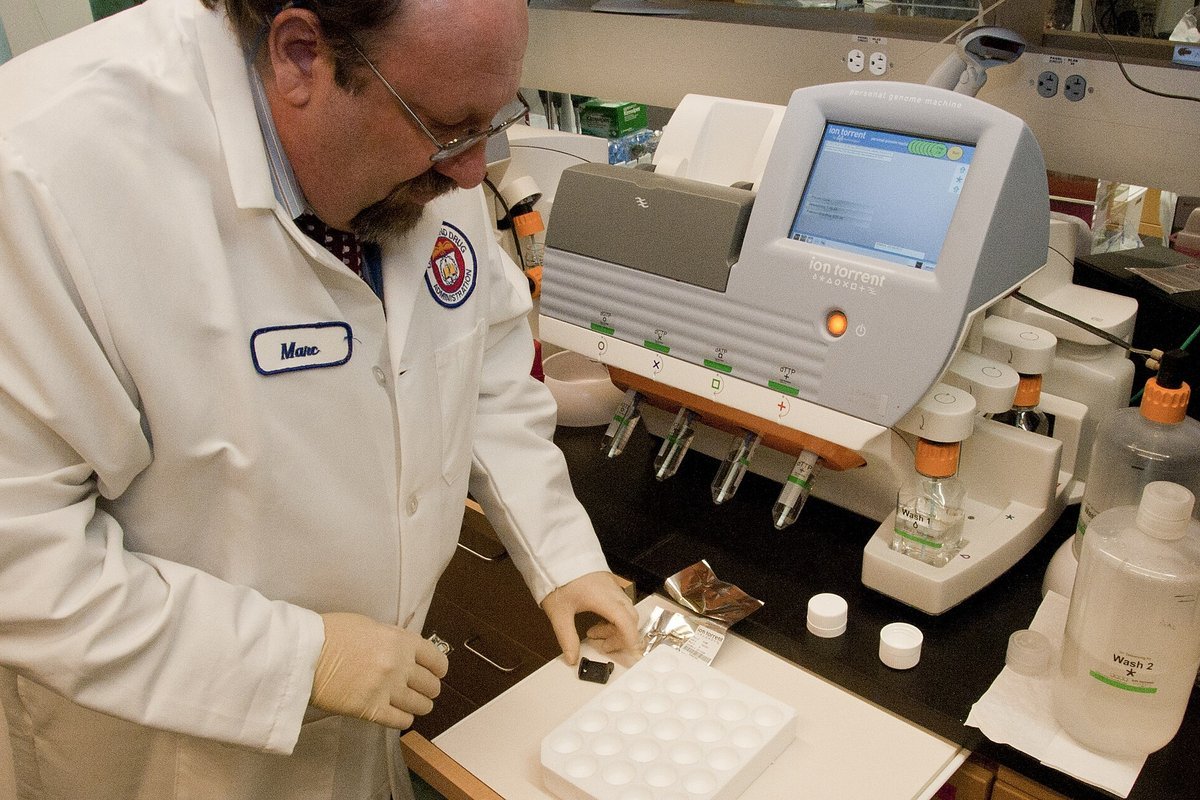
- Scientific Methodology: Integration of rapid Whole Genome Sequencing (WGS) into federal field audits, enabling inspectors to link facility drain swabs directly to nationwide clinical disease clusters within 24 hours.
- Zero-Tolerance Sanctions: Facilities exhibiting repeated environmental harborage of Listeria monocytogenes face immediate suspension of inspection seals, voluntary product recalls, or administrative detention of commercial inventory.
SILVER SPRING, MD — In response to significant multi-state outbreaks associated with commercially processed foods, the U.S. Food and Drug Administration (FDA) and the U.S. Department of Agriculture’s Food Safety and Inspection Service (FSIS) have launched an aggressive, synchronized regulatory enforcement campaign across the national food manufacturing sector. Operating under the statutory mandates of the Food Safety Modernization Act (FSMA) and the Federal Meat Inspection Act (21 U.S.C. § 601), federal inspectors have implemented intensified environmental swab surveillance and zero-tolerance operational standards across ready-to-eat (RTE) processing facilities nationwide.
The regulatory offensive targets Listeria monocytogenes, a tenacious foodborne bacterium capable of thriving in refrigerated processing environments and damp industrial processing infrastructure. Because listeriosis carries a severe hospitalization rate exceeding 90% and an estimated 20% mortality rate among vulnerable demographics—including pregnant women, newborns, and immunocompromised seniors—federal health agencies are treating environmental microbial persistence not merely as sanitation deficiencies, but as imminent public health emergencies.

Whole Genome Sequencing: Transforming Pathogen Forensics and Accountability
The cornerstone of the modernized inspection protocol is the deployment of portable Whole Genome Sequencing (WGS) technology through the PulseNet national laboratory network. Historically, microbiological culturing required five to seven business days to confirm pathogen identity, allowing contaminated food lots to clear distribution centers and enter consumer retail streams.
Under the enhanced surveillance directive, federal inspectors collect high-density sponge swabs from industrial processing equipment, floor drains, slicing blades, conveyor belts, and condensation drip pans. When bacterial DNA is isolated, it is immediately sequenced and uploaded to the National Center for Biotechnology Information (NCBI) Pathogen Detection database. This molecular fingerprinting enables epidemiologists to correlate facility environmental swabs with clinical patient isolates across multiple states in near real-time, definitively disproving corporate claims of isolated, one-off contamination events.
Federal Pathogen Safety Standards: FSMA and FSIS Inspection Metrics
| Regulatory Protocol | Historical Inspection Practice | Enhanced 2026 Surveillance Directive | Enforcement Action Triggered |
|---|---|---|---|
| Environmental Swabbing | Scheduled monthly facility sampling | Unannounced high-frequency intensive swabbing | Identification of non-food contact harborage zones |
| Genomic Typing Speed | 5 to 7 days for pulsed-field gel electrophoresis | Under 24 hours via high-throughput WGS | Immediate linkage to clinical patient databases |
| Zone 1 Contact Surface Positive | Voluntary recleaning and retesting | Immediate mandatory shutdown & lot quarantine | Class I national recall of all associated lots |
| Drain / Floor Harborage | Noted as minor sanitation non-conformance | Mandatory root-cause teardown investigation | Suspension of USDA grant of federal inspection |
| Public Alert Mechanism | Delayed until commercial distribution audit | Simultaneous digital press release & retail list | Comprehensive nationwide grocery recall alerts |

Facility Teardowns, Sanitation Overhauls, and Consumer Protection
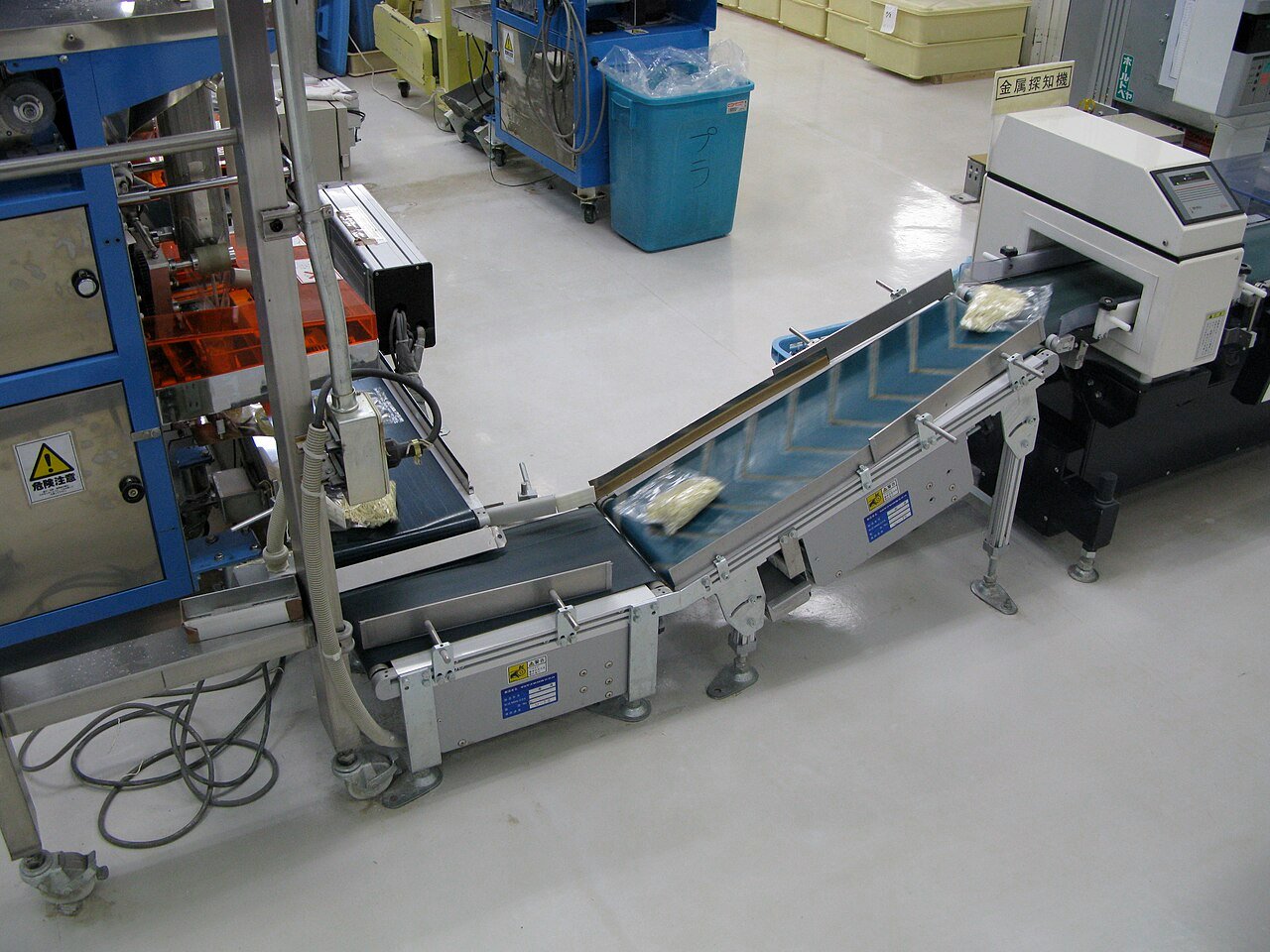
When environmental swabbing confirms pathogen presence in Zone 1 (direct food-contact surfaces such as packaging lines, chillers, or mechanical slicers), regulators are enforcing immediate cessation of manufacturing operations. Facility management is required to execute a complete mechanical disassembly of processing lines, replace cracked conveyor belts, resurface pitted concrete floors, and subject entire processing halls to aggressive vaporized chemical sanitization.
Furthermore, under FSIS Notice directives, establishments producing ready-to-eat meat and poultry products must re-evaluate their Hazard Analysis and Critical Control Point (HACCP) plans. Facilities must prove their post-lethality antimicrobial interventions—such as high-pressure processing (HPP) or organic acid sprays—consistently achieve a minimum 2-log reduction in potential microbial loads throughout the entire shelf life of the product. Through rigorous scientific enforcement, federal regulators are establishing unprecedented safety barriers across America’s commercial food supply chain.