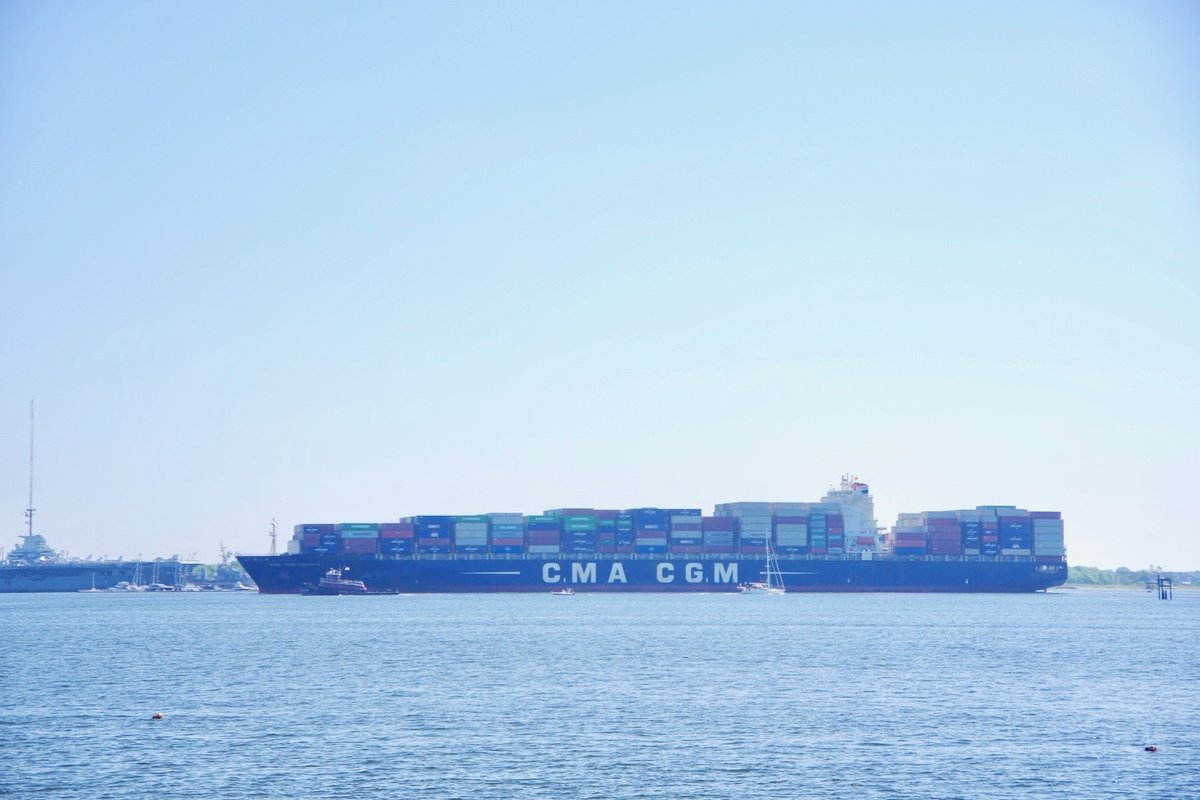
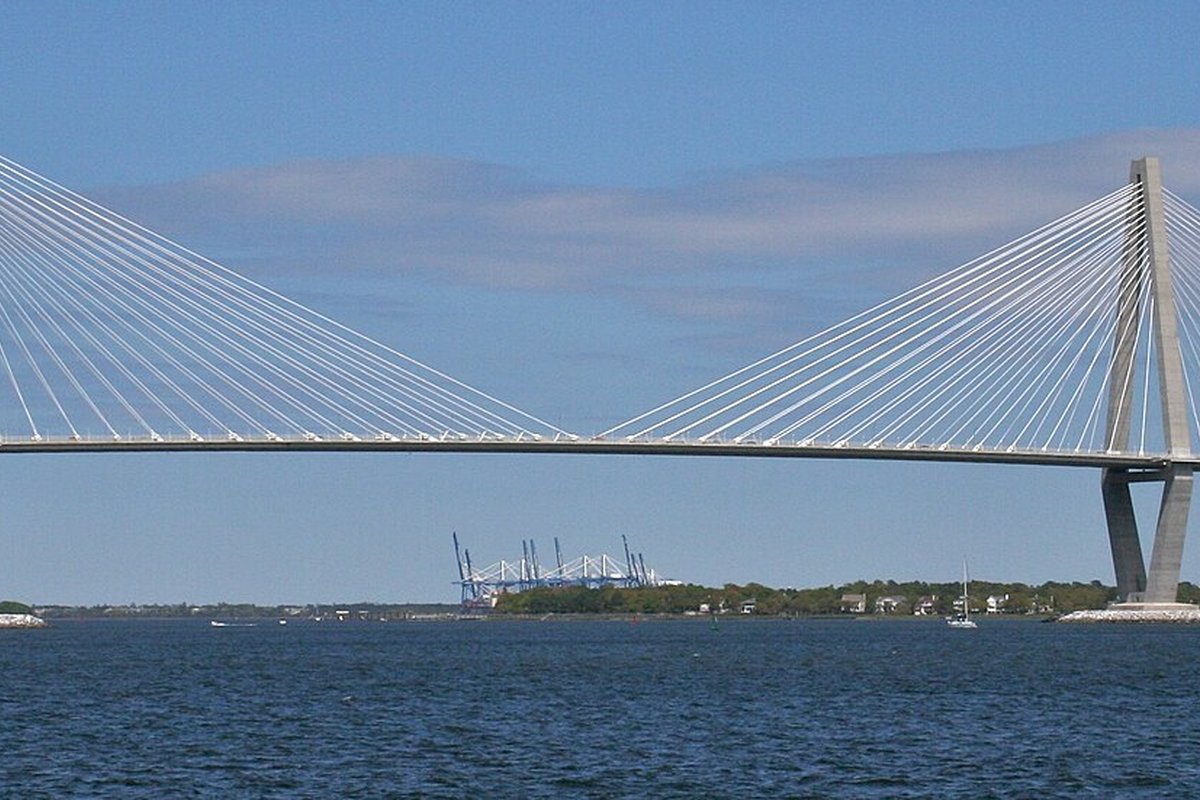
Anchored by the successful completion of a decade-long, $580 million harbor deepening initiative, the Port of Charleston stands as the deepest commercial seaport on the United States East Coast, boasting a 52-foot navigation channel depth at mean low water. Operated by the South Carolina Ports Authority (SC Ports), Charleston has established a formidable maritime gateway engineered to handle fully laden ultra-large container vessels (ULCVs) of up to 24,000 TEUs without tidal restrictions. Through strategic investments in the state-of-the-art Hugh K. Leatherman Terminal, the rapid expansion of inland intermodal rail hubs in Greer and Ridgeville, and on-dock dual-rail access connecting both CSX Transportation and Norfolk Southern, South Carolina has constructed a frictionless global logistics pipeline. This maritime infrastructure serves as the vital economic engine powering the Southeast’s booming automotive, aerospace, and advanced manufacturing sectors.
The Charleston Harbor Deepening Project: Engineering the 52-Foot Advantage
The strategic imperative for deepening Charleston Harbor arose directly from the 2016 expansion of the Panama Canal, which allowed massive neo-Panamax and ultra-large container vessels to transit into Atlantic shipping lanes. Seaports with channel depths shallower than 50 feet were forced to impose draft restrictions, requiring large vessels to wait for high tides or offload containers at alternative ports before docking.
Executed in partnership with the U.S. Army Corps of Engineers (USACE), the Charleston Harbor Post-45 Deepening Project deepened the federal entrance channel to 54 feet and the inner harbor channels to 52 feet, with widening at major harbor bends and an expanded 1,650-foot turning basin. Uniquely, the State of South Carolina fully fronted $300 million in state legislative appropriations to expedite engineering and environmental permitting, allowing the project to reach completion years ahead of competing Atlantic ports.
The 52-foot depth provides unmatched commercial operational flexibility. Heavy manufacturing cargo—such as BMW sport utility vehicles assembled in Spartanburg, Michelin tires manufactured in Greenville, and forestry products from the coastal plain—can be loaded to maximum draft capacity alongside imported industrial parts and consumer merchandise. International ocean shipping alliances have responded by consolidating direct liner services in Charleston, making it the primary first-in, last-out call for major transatlantic and transpacific trade lanes.
Terminal Modernization: The Hugh K. Leatherman and Wando Welch Hubs
To complement deep navigation channels, SC Ports executed extensive landside container handling modernizations across its primary marine terminals. The centerpiece of this expansion is the Hugh K. Leatherman Terminal, situated on the former Charleston Naval Base in North Charleston. As the first greenfield container terminal opened in the United States since 2009, Leatherman is planned for a 2.4 million TEU capacity upon full three-berth buildout.
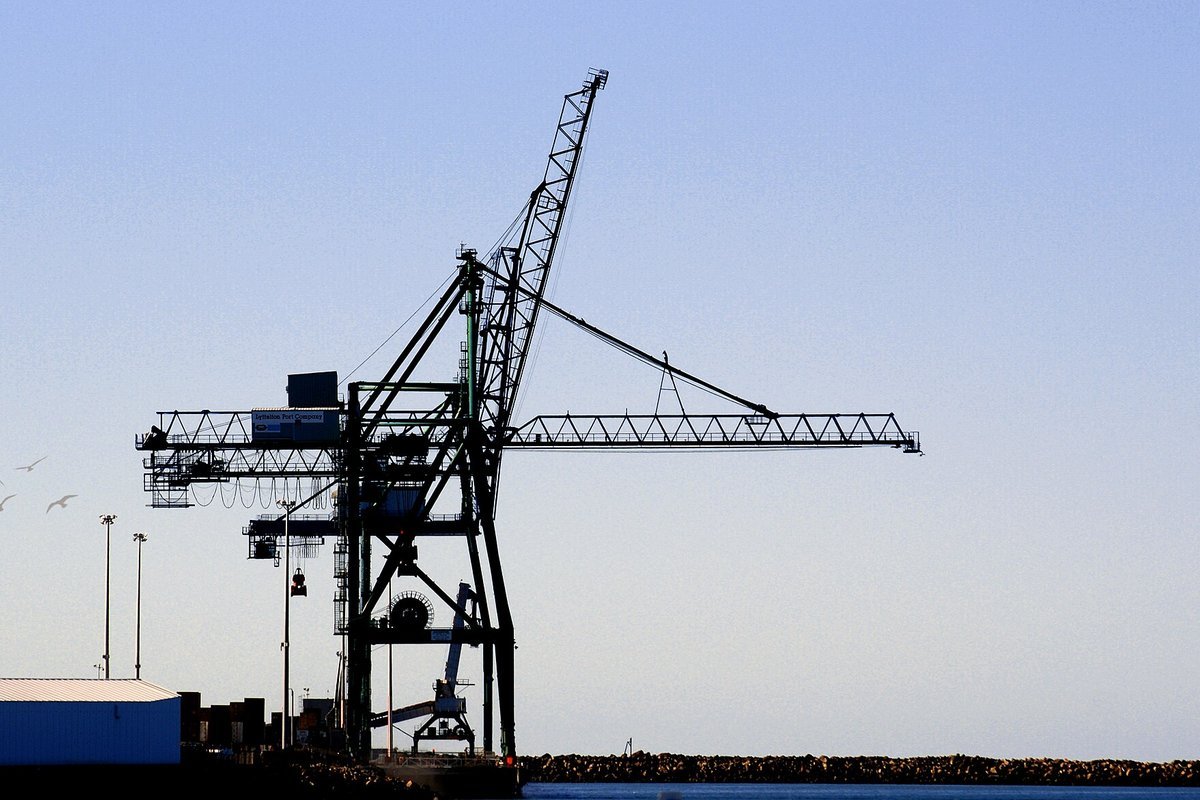
The terminal features hybrid electric ship-to-shore (STS) cranes with a 169-foot lift height above the dock, refrigerated cargo container racks powered by underground electric substations, and automated optical character recognition (OCR) portal gates that process drayage trucks in less than 45 seconds. Simultaneously, the legacy Wando Welch Terminal in Mount Pleasant underwent a $500 million structural densification, including reinforced wharf bulkheads, upgraded container yards, and the deployment of hybrid rubber-tired gantry (RTG) cranes that reduce diesel emissions by up to 60 percent.
SC Ports has also maintained absolute cargo fluidity by operating a dedicated, port-owned chassis pool. By purchasing and deploying 15,000 premium chassis across regional terminals, the port avoided the severe supply chain gridlock that crippled West Coast and Mid-Atlantic marine terminals during global freight surges, guaranteeing motor carriers access to safe, road-ready equipment.
| Terminal / Facility | Water Depth | Berth Length / Footprint | Primary Rail / Cargo Capability | Annual Capacity (TEUs) |
|---|---|---|---|---|
| Hugh K. Leatherman Terminal | 52 Feet (MLW) | 1,400 ft wharf / 280-acre site | On-dock dual rail & hybrid STS cranes | 700,000 (Phase 1) / 2.4M (Full) |
| Wando Welch Terminal | 52 Feet (MLW) | 3,800 ft wharf / 400 acres | Direct refrigerated cargo & 15 hybrid cranes | 2,400,000 TEUs |
| Columbus Street Terminal | 35–45 Feet | 3,500 ft wharf / 135 acres | Roll-on/Roll-off automotive & breakbulk | 350,000 vehicles / year |
| Inland Port Greer (Upstate SC) | N/A (Inland Rail) | Direct Norfolk Southern link to Charleston | Automotive parts & direct factory staging | 175,000 rail lifts / year |
| Inland Port Dillon (Pee Dee) | N/A (Inland Rail) | Direct CSX mainline link to Charleston | Agricultural exports, paper & retail logistics | 65,000 rail lifts / year |
The Inland Port Model: Direct Rail Connectivity to Upstate Manufacturing
South Carolina’s maritime logistics network extends hundreds of miles inland through its pioneering dry port logistics model. Recognizing that highway freight congestion along the Interstate 26 corridor presented a long-term bottleneck, SC Ports constructed two dedicated inland intermodal rail terminals: Inland Port Greer in the Upstate and Inland Port Dillon in the Pee Dee region.
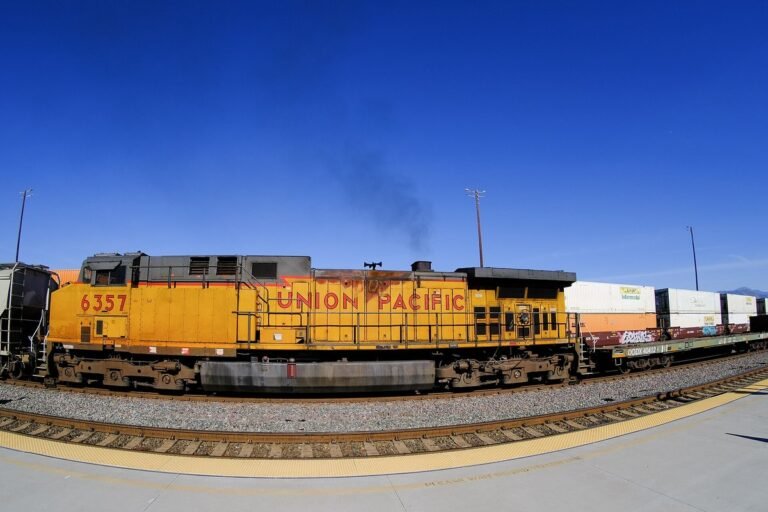
Inland Port Greer operates as an inland extension of the marine terminals, connected to Charleston via Norfolk Southern’s overnight main line service. Located adjacent to the sprawling BMW Plant Spartanburg—the largest single exporter of American-made automobiles by value—Inland Port Greer allows BMW and regional tier-one suppliers to receive containerized components directly from overseas suppliers, clear customs inland, and stage vehicle exports without deploying long-haul highway trucks. The facility operates 24/7, removing over 50,000 annual commercial truck trips from South Carolina’s highway system.
In the agricultural Pee Dee region, Inland Port Dillon leverages a direct CSX Transportation mainline connection. The terminal provides agricultural grain producers, paper mills, and international retail distribution centers with rapid access to global export containers, lowering transportation costs for rural South Carolina exporters and stimulating major private distribution hub investments along the Interstate 95 corridor.
The Navy Base Intermodal Facility (NBIF) and Dual-Rail Access
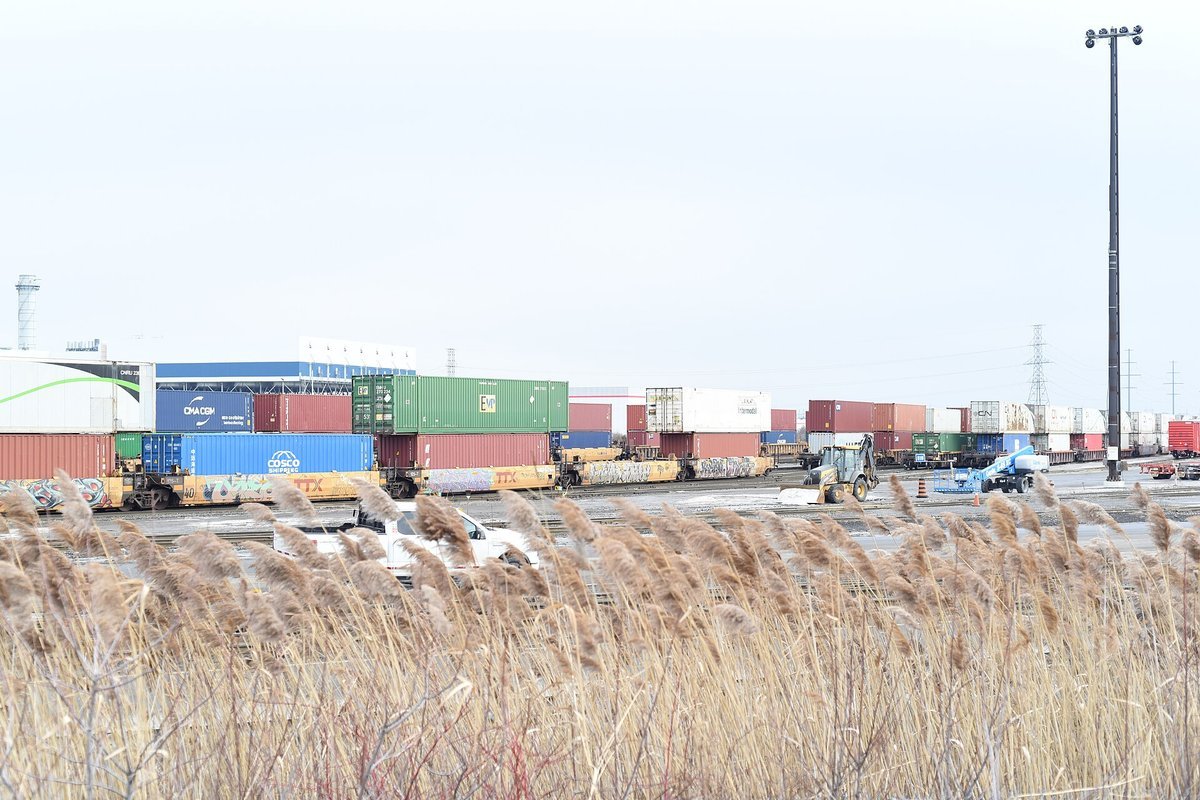
To establish permanent, unassailable intermodal freight dominance, South Carolina is completing the Navy Base Intermodal Facility (NBIF) in North Charleston. Engineered in close coordination with both CSX and Norfolk Southern, the $400 million rail yard is located less than one mile from the Leatherman Terminal, linked by a dedicated, grade-separated private drayage express road.
The NBIF features rail-mounted electric gantry cranes that straddle parallel switching tracks, enabling seamless container transfers between marine chassis and intermodal rail cars. By providing equal, competitive on-dock access to both major eastern Class-I railroads, the facility expands Charleston’s competitive rail reach into major Midwestern consumer markets, including Chicago, Indianapolis, Louisville, and Memphis, competing directly with Mid-Atlantic ports for inland freight volume.
Harbor Maintenance Economics and Marine Terminal Electrification
A rapidly expanding pillar of Charleston’s maritime growth is temperature-controlled agricultural and pharmaceutical trade. As the Southeastern agricultural economy expands, regional producers of poultry, pork, fresh produce, and seafood rely on the Port of Charleston for refrigerated (“reefer”) containerized export. To support this specialized commerce, private cold storage logistics developers have invested over $450 million in modern, multi-temperature refrigerated distribution centers along the Interstate 26 corridor in Berkeley and Dorchester counties. Equipped with on-dock USDA inspection stations and blast-freezing capabilities, these advanced cold chain facilities allow international food processors to stage perishable exports with zero loss of quality.
The economic viability of Charleston’s 52-foot harbor is fortified by strategic capital allocation under the federal Harbor Maintenance Trust Fund (HMTF) and South Carolina’s dedicated maritime infrastructure reserve funds. Through continuous precision maintenance dredging executed by the U.S. Army Corps of Engineers using high-capacity hopper dredges, channel depths are maintained at certified navigation standards, ensuring zero draft restrictions regardless of seasonal siltation cycles.
Simultaneously, SC Ports has executed an ambitious Clean Air Strategy across its marine terminal footprint. By deploying electric ship-to-shore gantry cranes, hybrid rubber-tired gantry (RTG) yard cranes, and installing high-voltage shore power interties that allow docked container ships to shut down diesel auxiliary engines and plug directly into the local municipal electric grid, the port has reduced nitrogen oxide emissions by 42 percent and particulate matter by 50 percent per container move. This commitment to environmental decarbonization balances heavy maritime industrial growth with rigorous public health protections for surrounding Lowcountry residential communities.