Watch the full video below
Back in the 1980s, the family television answered to your feet instead of your voice, and a phone call was measured in feet of coiled cord. Kids today might not last thirty minutes in that world, but for anyone who lived it, this is a trip down memory lane that takes you right back.
The Remote Control Was You
Nothing in the living room was smart, in the way we use that word now. If you wanted to change the channel, you got up, walked across the room and turned the dial yourself, clicking slowly past the numbers until the picture landed on something worth watching. The set even had separate little knobs up top for brightness and contrast, and somebody in the house was always fiddling with them.
Recording a show took planning. You pressed the buttons on a VCR, waited for exactly the right second, then hit record — and later you pressed play to watch it all over again. It was the original Netflix, except the schedule belonged to the network and not to you.
That also meant everyone in the house often watched the same thing at the same time, on the same screen, because there was nothing else to choose from.
- No remote to lose between the cushions
- No menu to scroll through
- No skipping the commercials
Phone Cords Reached Down the Hall
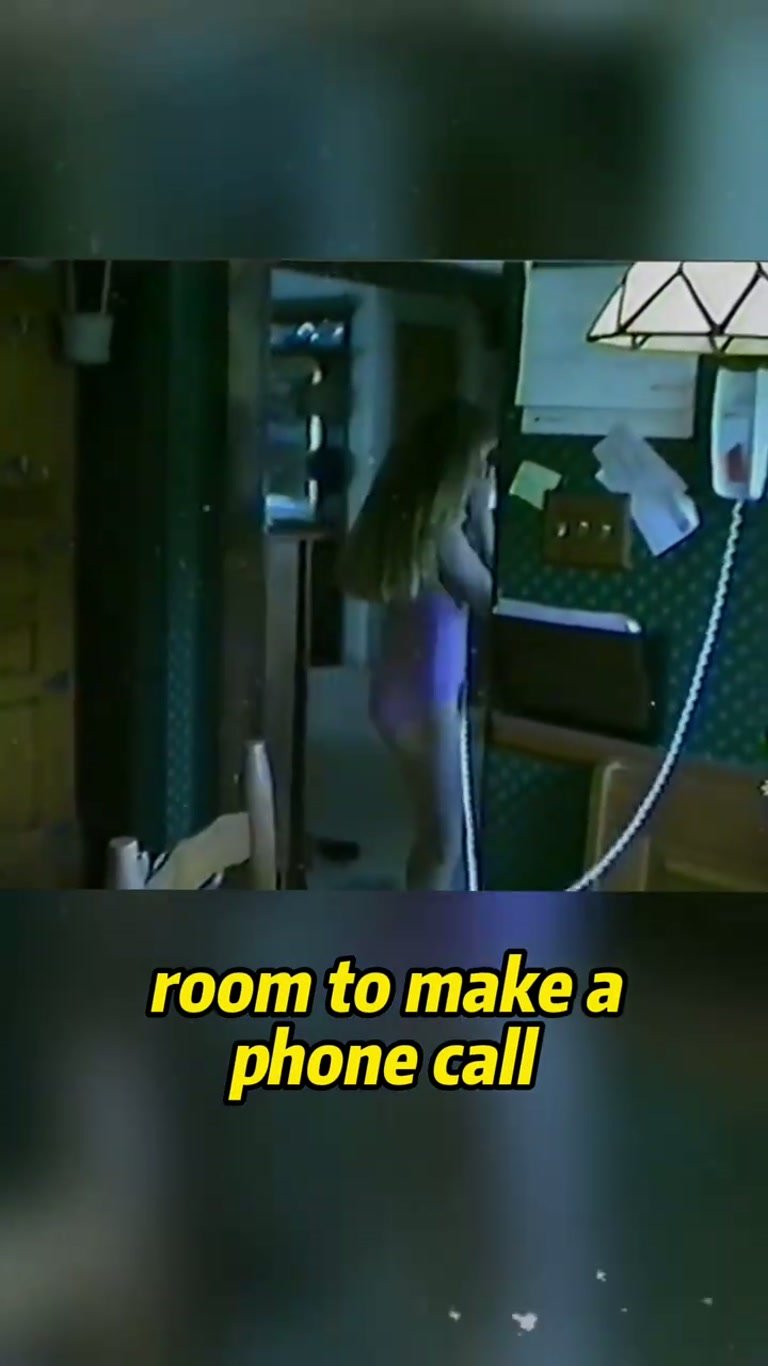
There was no hiding in your room to make a call. The phone hung on the wall or sat on the kitchen counter, and privacy meant stretching that ridiculously long cord as far away from your parents as it would reach. You stood in a doorway wrapped in a spiral of plastic, hoping nobody else needed the line.
Dialing was a skill all by itself. If your finger slipped out of the hole on a rotary phone before the number finished, you had to hang up and start all over again. No redial button, no saved contacts, and no quiet way to fix the mistake.
If you still remember these things, tell me how old you are.
A Pile of Bikes Said Everything
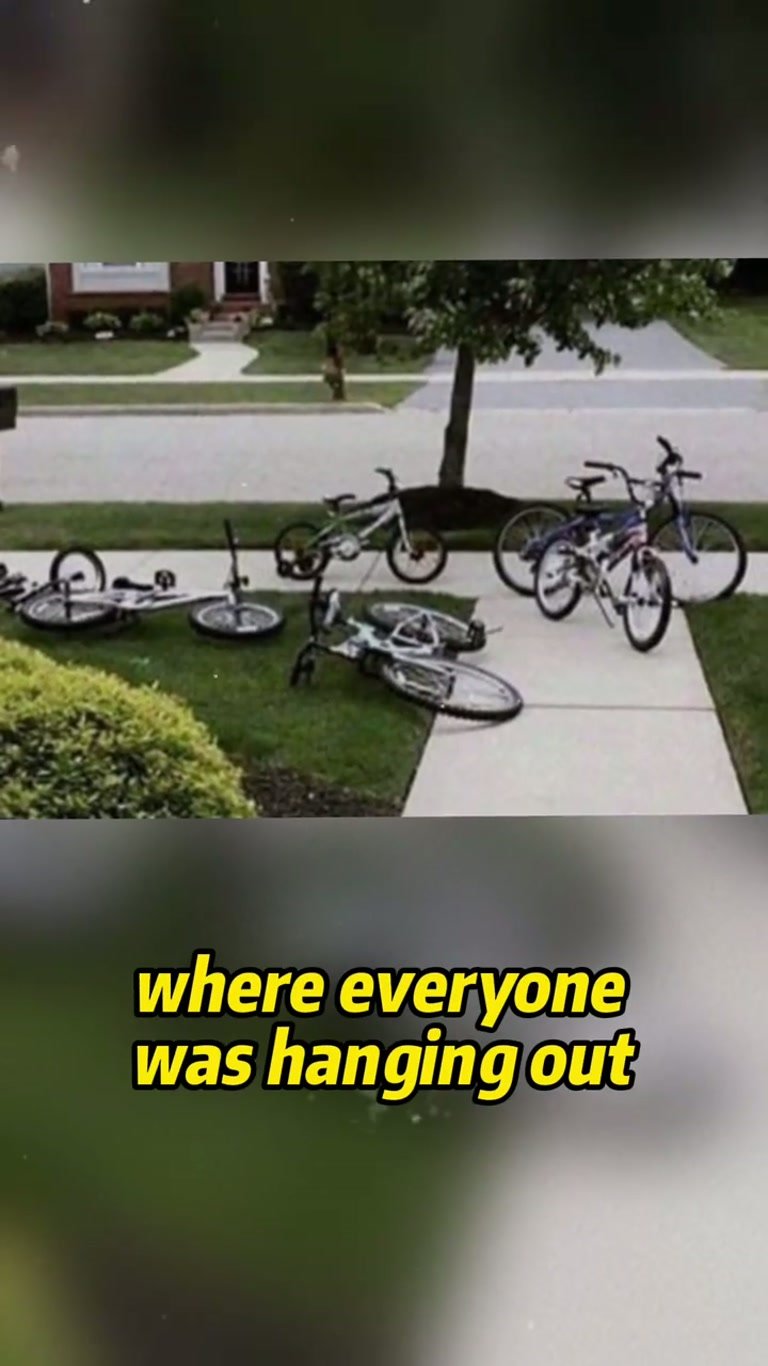
Nobody texted to ask where everyone was hanging out. You rode your bike down the street, and when you saw a pile of bikes dropped on the grass outside one house, you knew exactly where the neighborhood had gathered. That pile was the group chat.
On any given afternoon, you headed for the house with the most bikes and caught up on everything you had missed. If you were not there, you simply heard about it the next day.
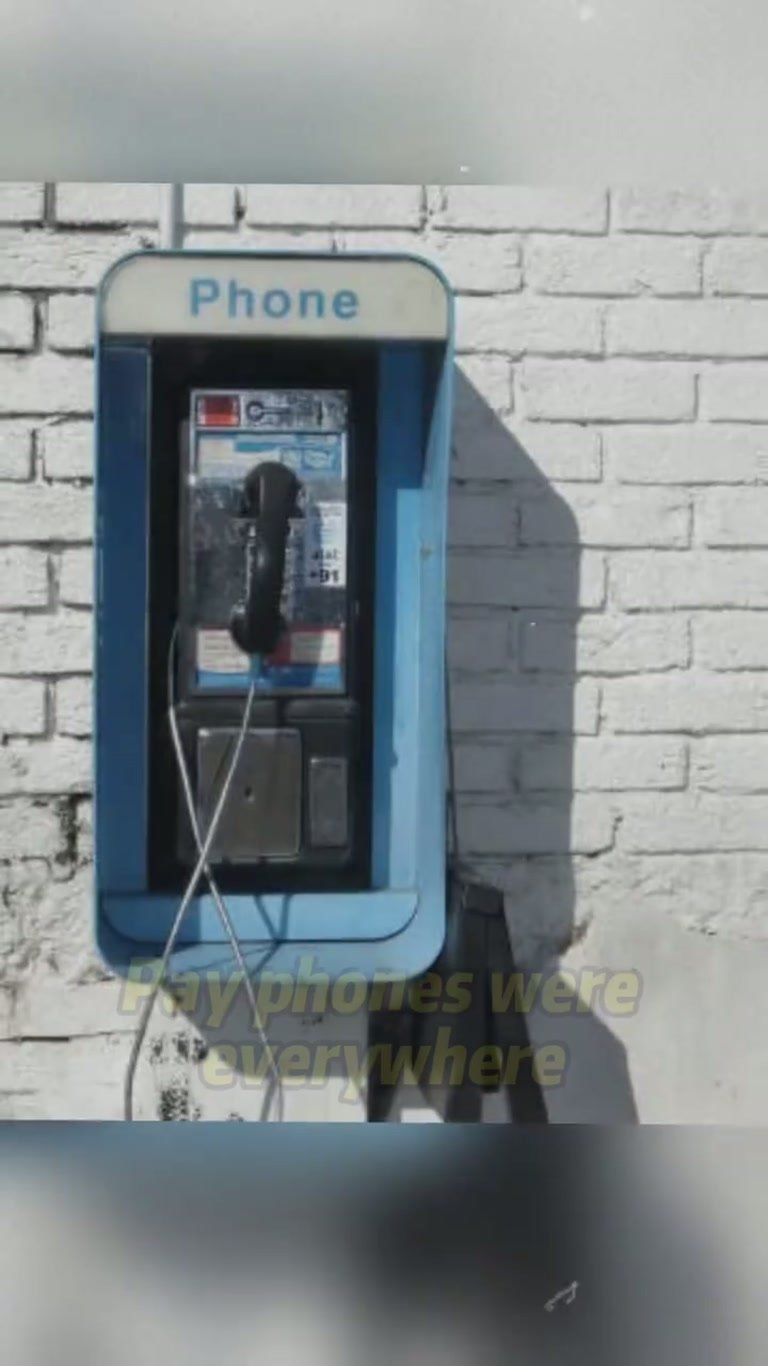
There were no cell phones to track anyone down, either — no location sharing, no quick message to say you would be late. And when you were away from home, payphones stood on sidewalks and outside shops with a coin slot and a dial, the only way to ring anybody at all.
Notes, Watches and Analog Everything
Talking to friends during class took real acting. You watched the teacher carefully while sliding a folded note across the desk, and one wrong glance could give the whole thing away. Somehow that made the conversation better than anything you could send today.
Passing that note felt risky in a way a message never could. You had to plan it, fold it, and time the handoff just right, all while pretending to read the board.
And the watch on your wrist? It told time and not much else, but it was our version of a smartwatch, and we loved it anyway. Nothing was as smart as it is today, and somehow we got by — passing notes, feeding coins into payphones and knowing the numbers we dialed by heart. You do not see this anymore, and that is exactly why it stays with us.
What is the one everyday habit from the 1980s you would bring back tomorrow — and who else in your family remembers it exactly the same way?
This story was edited from a publicly posted video; some details may not be independently verified.