If you grew up in the 1980s, your closet was a parade of pastel sweatshirts, oversized tops, and denim that could almost stand up on its own. These brands were everywhere back then — in mall windows, in catalogs, and on the backs of youngsters waiting for the school bus. Seeing them again is a real trip down memory lane.
Big Hair and Pastel Everything
The style came as a package deal. Girls wore scrunchies, teased hair, and tops in pink, lavender, and mint — the softer the shade, the better. In one throwback photo, four friends smile in pastel shirts, one in a tie-dye top and another in a plain collared sweatshirt, every one of them with hair that clearly took serious morning work.
It was never about looking understated. Volume was the point — in the hair, in the shoulders, in the colors. Oversized sweatshirts were comfortable, sure, but they were also the entire look, worn loose, worn long, and worn with total confidence.
Even the group photos had a formula: arms around each other, shoulders back, everyone looking straight at the camera like they knew exactly how good they looked.
The Names on Every Mall Sign
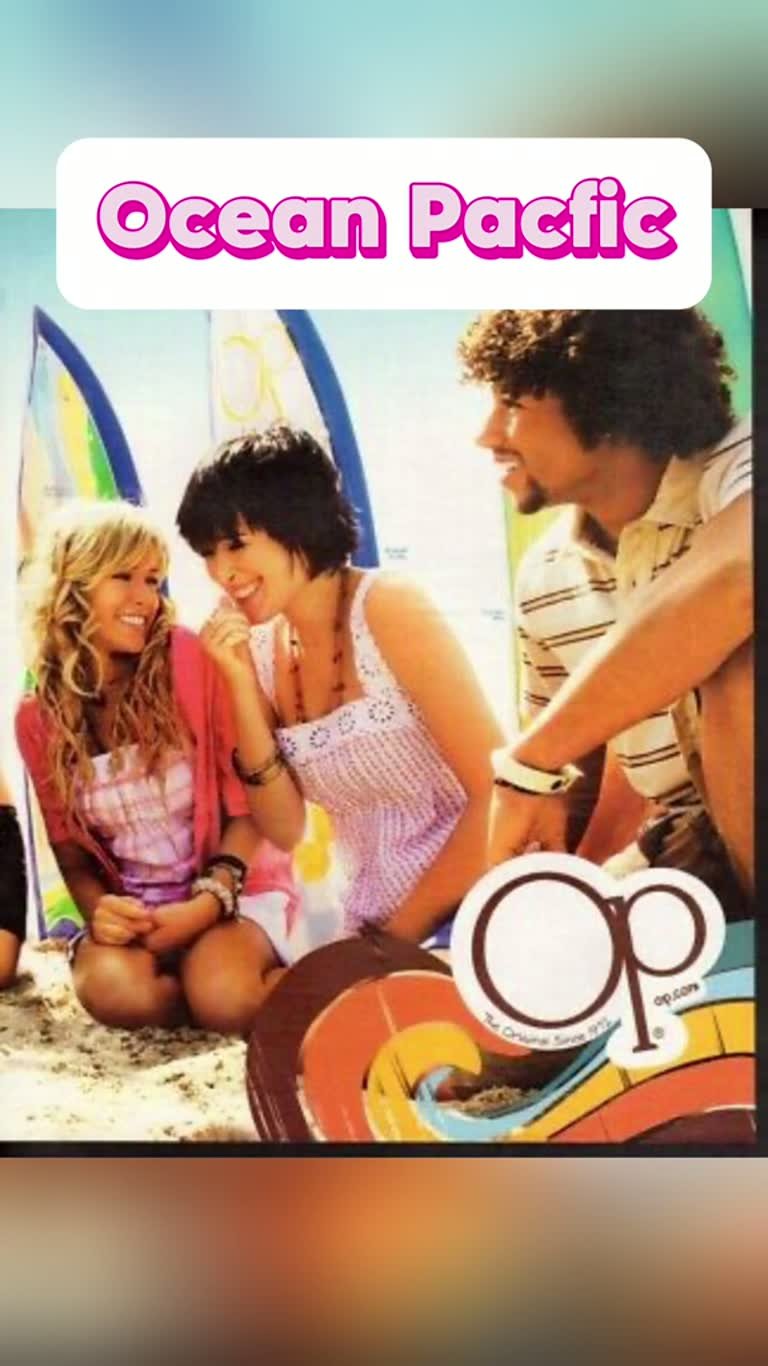
Ocean Pacific sold sunshine as much as it sold clothing. Its ads put friends on the sand with surfboards behind them, laughing like the whole day belonged to them.
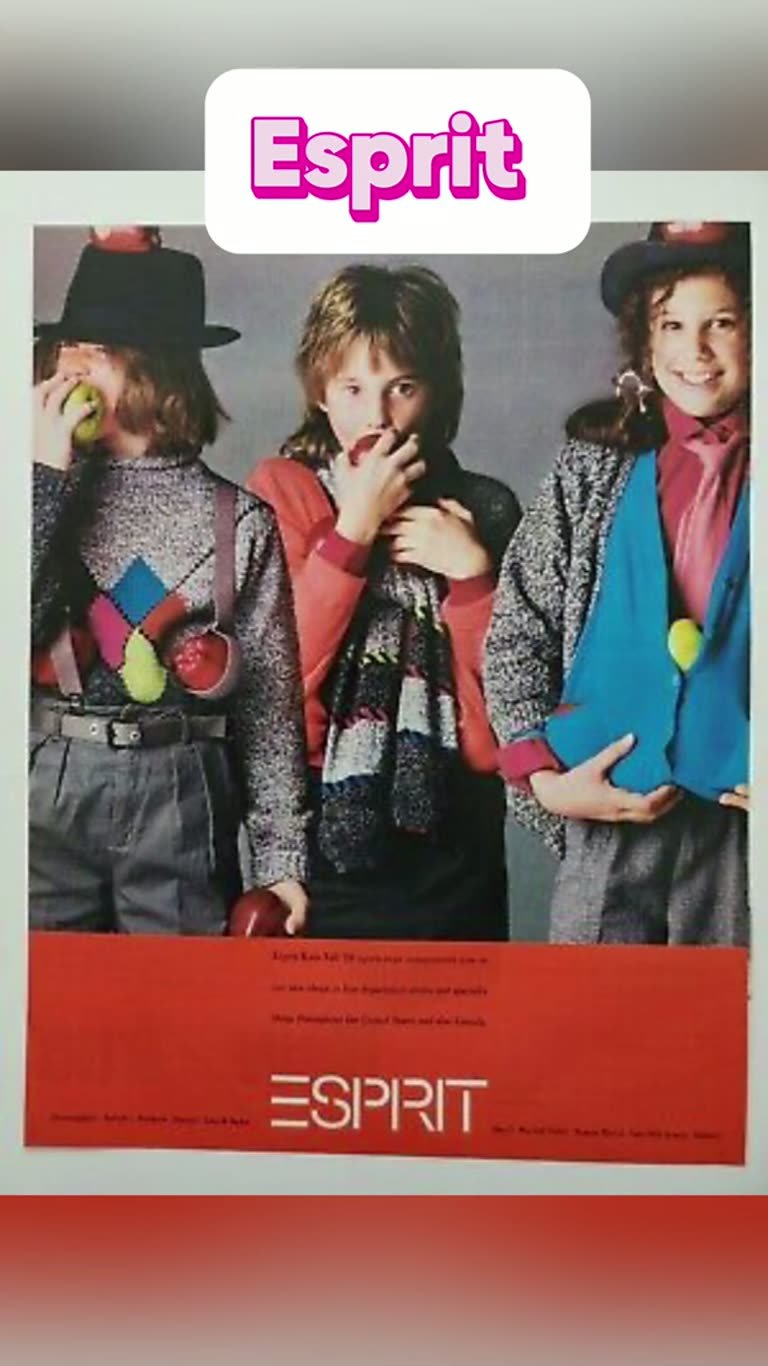
Esprit went a more playful route, dressing youngsters in hats and bold color-blocked sweaters, apples in hand, like they had just wandered in from the yard.
Gitano packed a group of models into roomy pastel tops and called it fashion. Au Cotton and Contempo Casuals rounded out the list — names that once meant a Saturday at the mall, drifting past window displays and deciding what you could actually afford.
What they all shared was a certain look: big smiles, bold lettering, and photos that seemed to sell a lifestyle more than a shirt.
Jackets That Meant Something
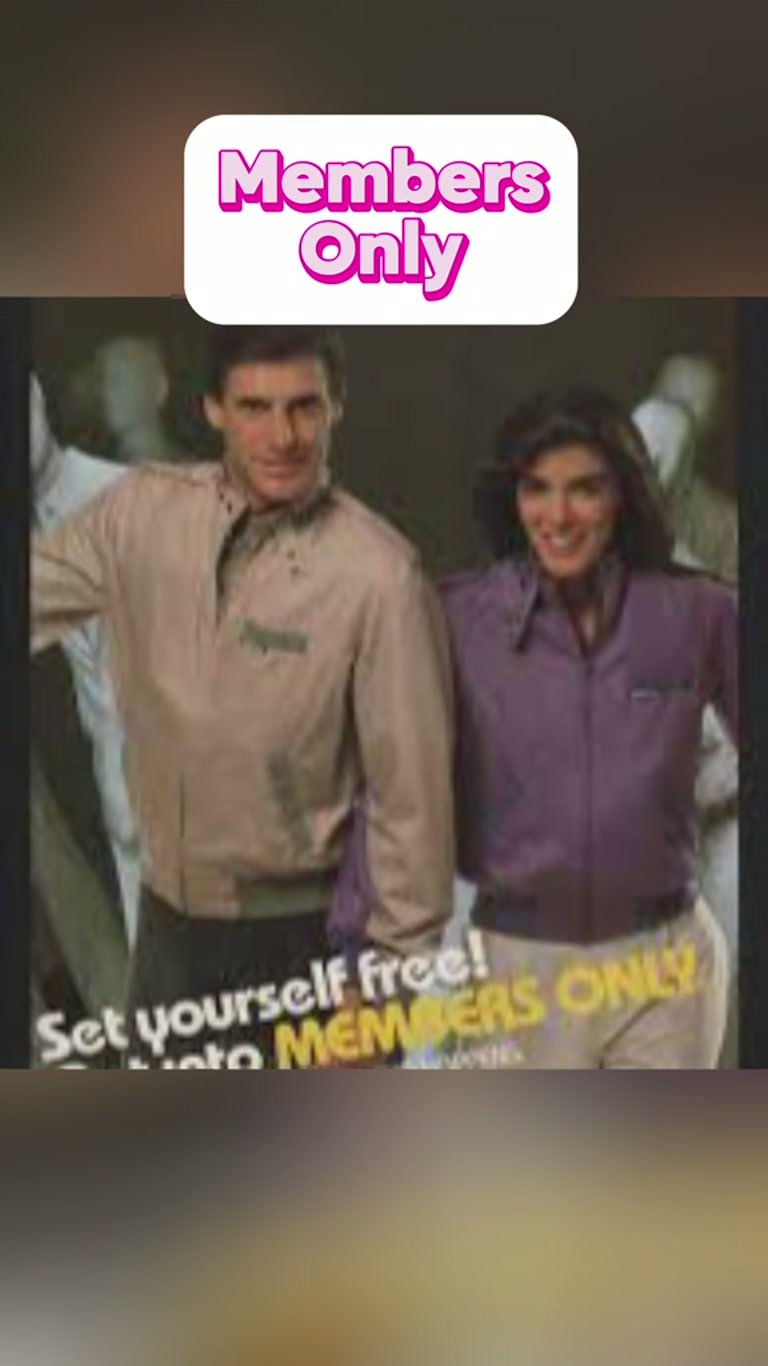
Members Only jackets had a collar that stood up on its own and an ad line that told shoppers to set themselves free. If you owned one, you wore it with everything, because that jacket did not care whether it matched.
No Excuses went louder, with a red sweater covered in black polka dots and checkerboard blocks, styled with jeans and big earrings. It was not subtle, and it was not trying to be.
The denim helped. Jeans were the base layer for nearly every one of these outfits, whether the top was dotted, pastel, or floral.
Look at that sweater today and you don't see this anymore — which is exactly what makes it so much fun.
Smaller Sizes, Bigger Feelings
Not every brand was aimed at grown-ups. McKids put actual youngsters in front of the camera in bright red and white, sneakers and all — proof that youngsters' clothing had its own little universe of logos back then.
Laura Ashley went the opposite direction, with floral prints and puffed sleeves that felt like something out of a storybook. A mother and daughter in matching purple and blue was a look plenty of families knew well.
Between the bold graphics and the soft florals, there was room for just about every kind of youngster, which may be why so many of these catalogs stayed in family homes for years.
Why It Still Sticks
Some parts of that era are hard to explain to younger generations — the hairspray, the shoulder pads, the way one jacket could feel like an entire personality. Today's youngsters will never know what it meant to save allowance money for a shirt with the right name across the chest.
And maybe that is the thing about 1980s fashion: none of it was designed to be timeless, and that is precisely why it aged into something worth remembering.
The clothes faded, the stores closed, and the styles moved on — quietly, one clearance rack at a time. But the ads, the photos, and those colors still feel warm and familiar.
So tell us: what do you miss most about getting dressed back then, and which of these brands did you actually wear?
This story was edited from a publicly posted video; some details may not be independently verified.