WATCH: On-scene video documentation is embedded below →
LISTEN TO THIS ARTICLE
Audio Narration – English (US)
Armed Robbery Suspect Targets an Unlikely Uber Driver
A routine rideshare trip turned into a terrifying armed confrontation when a passenger demanded the driver's money, wallet, and watch. What the aggressor did not anticipate was the identity and training of the man behind the wheel, a military veteran who refused to be a victim.
- A passenger in an Uber vehicle aggressively demanded the driver's money, wallet, and watch in an apparent robbery attempt.
- The driver, identified in the source material as a military veteran, did not comply with the demands.
- The passenger became increasingly aggressive when he did not get what he wanted, escalating the confrontation inside the moving vehicle.
- The encounter was captured on in-car camera footage, documenting the confrontation from the driver's perspective.
- The vehicle was in motion in an urban setting with street traffic and pedestrians visible outside the windows during the incident.
A Routine Ride Turns Hostile
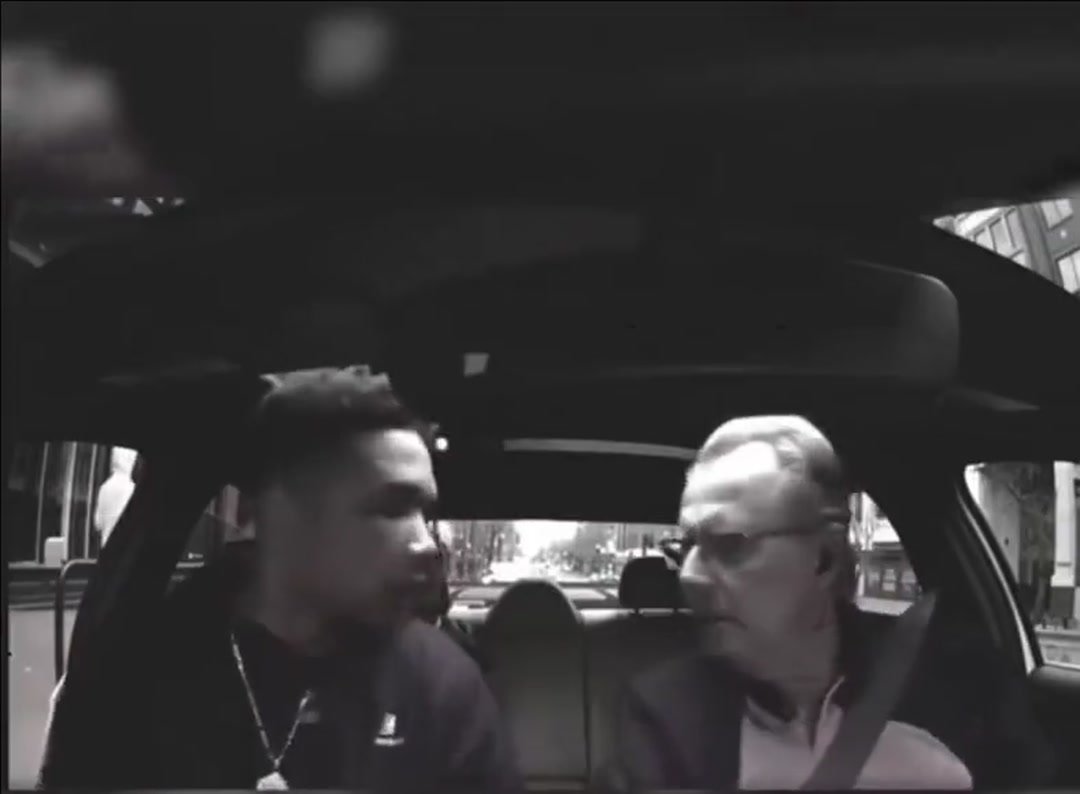
The encounter began as an ordinary rideshare pickup. The passenger entered the vehicle and settled into the front seat, establishing the setting for what would become the central conflict. The driver's in-car camera captured the passenger from the passenger side, with the driver visible in profile on the right side of the frame.
What began as a standard interaction quickly deteriorated. According to the source material, the passenger made explicit demands for the driver's money, wallet, and watch, treating the rideshare as an easy target. The source describes the passenger's demeanor as becoming increasingly aggressive when his demands were not met.
The footage shows the passenger turned toward the driver, leaning into the space between the seats as the exchange intensified. The driver's posture and positioning indicate an ongoing verbal conflict as the vehicle continued along the street, with traffic passing outside the windows.
The Veteran Driver's Compose
The source material identifies the driver as a military veteran, a detail that reframes the entire encounter. While a typical rideshare driver might be expected to hand over possessions out of fear, this driver did not immediately comply with the passenger's demands.
The source material states plainly that this was not an ordinary reaction, a phrase signaling that the driver's training and background shaped how he responded to a would-be robber. The driver's actions in the footage reflect someone who did not surrender to intimidation.

The contrast between the passenger's escalating demands and the driver's steady response forms the core of the story. The passenger had apparently calculated that the driver was an easy mark, a miscalculation that set the confrontation on a different path.
Escalation Inside a Moving Vehicle
The footage captures the passenger's growing frustration as his demands went unanswered. The camera angle shows the passenger leaning forward, engaging directly with the driver while the car remained in traffic on a city street.
Outside the vehicle, pedestrians and other cars are visible, emphasizing that the confrontation unfolded in a public space rather than an isolated location. Despite the witnesses and the visible traffic, the passenger continued to press his demands.
The source material emphasizes that the passenger became increasingly aggressive, a detail that stands out in an enclosure as small as a rideshare vehicle. The driver's physical positioning suggests he maintained control of the vehicle even as the confrontation intensified, a maneuver that required focus and composure under threat.
Read more: The Smirk That Dissolved: A Masterclass in Composure Collapse – The Complete Story →
The spatial dynamics of the encounter are significant. The passenger was in the front seat, within arm's reach of the driver, meaning any physical escalation could have affected the vehicle's operation. The driver's continued control of the car in traffic indicates that he managed the threat while maintaining his responsibilities behind the wheel.
What the Recorded Footage Reveals
The in-car camera provides a documented account of the confrontation, capturing both the passenger's posture and the driver's reactions in sequence. Across the recorded frames, the passenger's body language shifts, emphasizing the escalating nature of his demands.
| Incident Parameter | Observation at the Scene |
|---|---|
| Setting | Interior of a rideshare vehicle in urban traffic |
| Parties involved | Passenger in front seat, military veteran driver |
| Documented demand | Money, wallet, and watch |
| Passenger demeanor | Increasingly aggressive when demands were unmet |
| Driver background | Identified as a military veteran |
| Escalation location | Front seat area of a moving vehicle |
| Recording method | In-car camera footage |
The source material frames the driver's response as evidence that the passenger chose poorly. The phrase picked the wrong Uber driver encapsulates the central irony: a robbery attempt aimed at an easy victim instead confronted a trained veteran.
Public Space, Private Threat
One of the notable elements of this case is that the confrontation occurred while the vehicle was operating in a busy urban environment. Outside the windows, other vehicles and pedestrians are visible, a reminder that threats can surface in the middle of ordinary public life.
The passenger's decision to make demands in an environment with witnesses and recording equipment speaks to the boldness of the attempt. The recorded footage itself becomes critical documentation, preserving the confrontation for a broader audience.
The source material does not provide the immediate aftermath of the confrontation, leaving key questions open regarding how the situation was resolved. What is documented is the sequence: a passenger demanded valuables, the driver did not comply, and the passenger grew more aggressive.
The driver's background as a veteran remains central to how the story is framed. It is the primary explanation offered in the source for why the encounter did not follow the expected script of a successful robbery.
Core Questions and Unresolved Issues
- What specific actions did the veteran driver take that distinguished his response from an ordinary reaction to a robbery demand?
- How was the confrontation ultimately brought to an end after the passenger became increasingly aggressive?
- What happened to the passenger following the recorded incident, and was the encounter reported to law enforcement?
This story illustrates how quickly an ordinary transaction can turn dangerous, and how a target's background can reshape the outcome. The passenger's demands for money, wallet, and watch met an unexpected resistance rooted in military service, a dynamic that raises questions about personal safety, rideshare security, and the unpredictable nature of confrontations inside enclosed spaces.
What would you have done if you were behind the wheel when those demands began?