Faced with historic electricity load growth and escalating municipal water demands across the central corridor, the Public Utility Commission of Texas has proposed a regulatory framework creating specialized tariff classifications for large-scale computational infrastructure and commercial data campuses.
Executive Briefing: Key Takeaways
- Dedicated High-Load Tariff: Facilities consuming greater than 75 megawatts will be placed into a distinct industrial rate class with mandatory transmission capital contributions.
- ERCOT Load Forecast: The Electric Reliability Council of Texas projects computational and artificial intelligence facilities could add up to 25 gigawatts of peak demand by 2030.
- Water Conservation Covenants: Data center developers must submit comprehensive closed-loop cooling plans or pay municipal water utility surcharges for evaporative systems.
- Curtailment Agreements: High-load operators must participate in automated demand-response programs, curtailing operations during emergency grid alerts.
The Scale of Texas Computational Expansion
Over the past four years, low electricity prices, available rural acreage, and favorable tax incentives attracted unprecedented capital investment from cloud providers and artificial intelligence infrastructure firms to suburban and exurban Texas. Large campus developments in Dallas-Fort Worth, Round Rock, San Antonio, and Abilene have transformed regional electrical distribution planning.
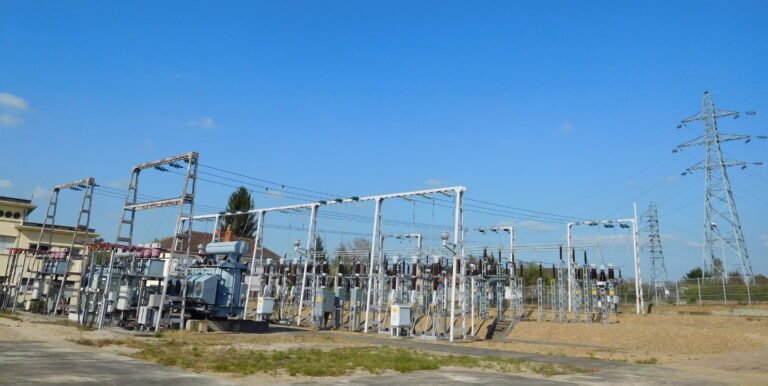
However, the sheer density of modern computing clusters has strained local substations. A single hyperscale data center facility can draw continuous electrical loads exceeding the power requirements of eighty thousand single-family homes, creating localized transmission congestion and raising concerns regarding rate equity for residential consumers.
Structure of the Proposed Rate Design
Under the proposed regulatory rule published in the Texas Register, high-density computing operators will no longer qualify for standard large-commercial utility rates. Instead, the commission has outlined a tripartite tariff structure designed to ensure that developers finance their own interconnection upgrades.
| Tariff Component | Legacy Commercial Rate | Proposed 2026 High-Load Rule |
|---|---|---|
| Load Threshold | General Industrial (>1 MW) | Dedicated Large Flexible Load (>75 MW) |
| Substation Financing | Shared transmission cost pool | 100% upfront capital contribution by developer |
| Peak Curtailment | Voluntary economic bidding | Mandatory automated 85% curtailment during Level 2 alerts |
| Cooling Compliance | Standard municipal hookup | Mandatory closed-loop dry cooling certification |
Commissioners stressed that without these targeted safeguards, residential and small-business ratepayers would inadvertently subsidize hundreds of millions of dollars in regional substation expansions and transmission line rebuilds.
Municipal Water Resources and Environmental Review
Beyond electrical capacity, the environmental footprint of evaporative water cooling has triggered intense debate in rural groundwater conservation districts. Evaporative cooling systems at a large computational campus can consume up to two million gallons of potable water per day, depleting regional aquifers during prolonged drought cycles.
The proposed rules establish incentives for operators that transition to advanced air cooling or closed-loop dielectric liquid immersion systems, offering expedited interconnection permitting for facilities that demonstrate zero net municipal water draw.
Official Documentation and Statutory Citations
- Public Utility Commission of Texas: Project No. 56214, Rulemaking on Large Flexible Load Interconnections
- ERCOT Board of Directors: System Planning Report on Long-Term Load Forecast Revisions
- Texas Water Development Board: Regional Water Planning Study for Central Texas Aquifers (2026)
- Texas Administrative Code: Title 16, Part II, Chapter 25, Substantive Rules Applicable to Electric Service Providers
Forward Outlook and Unanswered Inquiries
As the public comment period opens, technical working groups are examining critical execution questions:
- Will hyperscale cloud providers reallocate prospective campus investments to neighboring states with less restrictive utility tariffs?
- How will automated grid curtailment systems interface with high-availability enterprise computing contracts?
- Can regional equipment manufacturers supply sufficient liquid cooling hardware to meet the proposed municipal conservation standards?