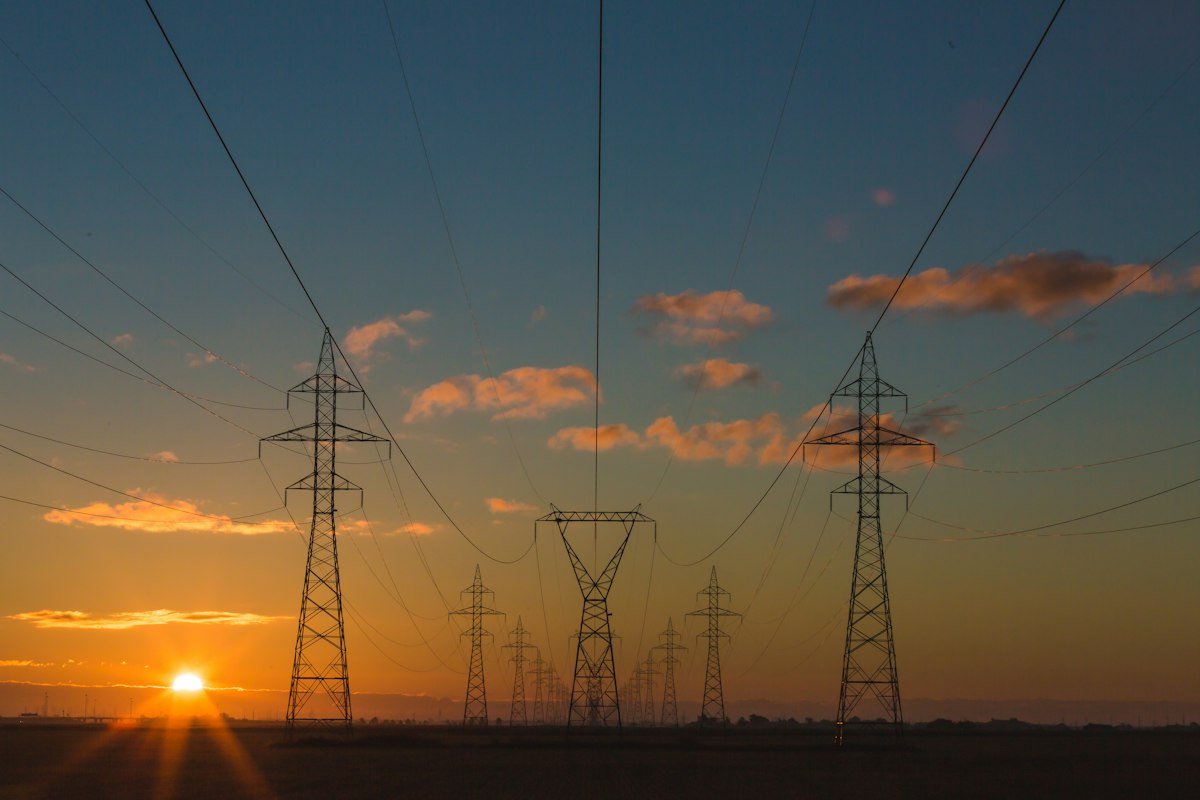
Congressional leaders have formally advanced the bipartisan American Affordability and Jobs Act, a 417-page legislative compromise designed to overhaul the federal environmental review framework and accelerate the deployment of high-voltage interstate electrical transmission infrastructure.
Executive Briefing: Key Takeaways
- Binding Environmental Deadlines: The bill mandates that environmental impact statements (EIS) under the National Environmental Policy Act (NEPA) be finalized within two years.
- Litigation Statute of Limitations: Legal challenges against approved infrastructure permits must be filed within 150 days of publication, down from the traditional six-year window.
- Interstate Transmission Authority: The Federal Energy Regulatory Commission (FERC) receives strengthened backstop siting authority when states fail to approve interstate corridors within one year.
- Economic Projections: The Department of Energy estimates the reforms could unlock over 350 gigawatts of stalled renewable and thermal generation capacity across rural regions.
The Permitting Bottleneck and Grid Congestion
Modernizing the nation’s electrical grid has emerged as one of the most pressing economic and national security priorities of the decade. Major regional transmission organizations (RTOs), including PJM Interconnection and MISO, have reported average interconnection queue delays exceeding four years. Developers seeking to connect new natural gas plants, nuclear facilities, and utility-scale solar farms frequently face duplicative environmental assessments administered across multiple federal and state agencies.
The newly unveiled legislation addresses these administrative hurdles by establishing a designated lead federal agency for every interstate energy project. The lead agency is empowered to establish a unified permitting schedule, binding all cooperating state and federal departments to strict milestones.
Key Statutory Provisions in the 2026 Compromise
The legislative package reflects concessions between traditional energy advocates seeking expedited natural gas pipeline approvals and clean energy proponents demanding long-distance transmission corridors.
| Regulatory Dimension | Historical NEPA Baseline | 2026 Reform Mandate |
|---|---|---|
| EIS Completion Time | Average 4.5 Years Across Agencies | Enforceable 24-Month Hard Cap |
| Environmental Assessments (EA) | Average 18 to 24 Months | Enforceable 12-Month Hard Cap |
| Legal Challenge Filing Window | Up to 6 Years Under General Statutes | 150 Days Post-Record of Decision |
| FERC Siting Backstop | Limited to National Interest Corridors | Expanded to all high-voltage interstate lines (>345kV) |
Under the statutory text, federal courts are instructed to remand defective environmental reviews back to regulatory agencies for correction without automatically vacating the underlying construction permits, preventing costly stop-work orders during minor procedural disputes.
State Regulatory Responses and Regional Impact
State utility regulators have expressed cautious support for the provisions, though some state public utility commissioners have voiced concerns regarding FERC’s expanded backstop authority. Under the compromise, state utility commissions maintain the exclusive right to allocate retail distribution costs, ensuring that local ratepayers are not burdened with the capital costs of interstate lines that merely transit through their territory.
Industry associations representing industrial manufacturers, semiconductor fabricators, and regional utilities have commended the bill’s focus on cost predictability, noting that stabilizing grid capacity is critical to sustaining domestic manufacturing expansion.
Official Documentation and Statutory Citations
- United States Senate Committee on Energy and Natural Resources: Legislative Text (S. 4920)
- Federal Energy Regulatory Commission: Notice of Proposed Rulemaking on Regional Transmission Planning (Order No. 1920)
- Council on Environmental Quality (CEQ): Annual NEPA Timelines and Completion Statistics
- Department of Energy National Transmission Planning Study (2026 Update)
Forward Outlook and Unanswered Inquiries
As the bill heads toward committee markup and floor consideration, key questions remain:
- Will the judicial review restrictions withstand constitutional scrutiny under separation-of-powers precedents?
- How will regional transmission organizations adapt their capital allocation models to the accelerated timeline?
- Can federal agencies hire sufficient technical staff to meet the two-year environmental review deadline without compromising rigorous scrutiny?